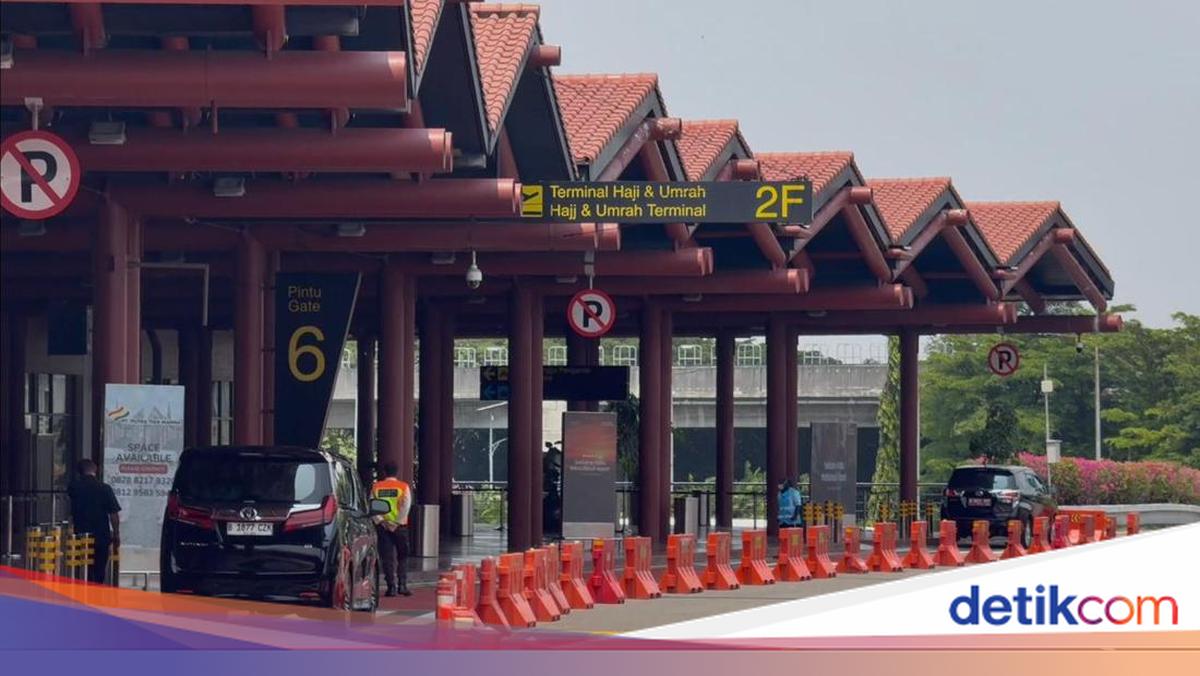
Indonesian immigration authorities at Soekarno-Hatta International Airport prevented 13 citizens from departing for Saudi Arabia on April 18, 2026, after discovering they intended to perform the hajj pilgrimage using work visas instead of official hajj documentation. The intervention was carried out by a joint task force comprising personnel from the Indonesian National Police (Polri) and the Ministry of Religious Affairs, specifically its Directorate General of Hajj and Umrah Management.
The individuals were stopped during routine pre-departure checks at Terminal 3 of Soekarno-Hatta Airport, commonly referred to as Soetta, on the morning of April 18. According to Harun Al Rasyid, Director General of Hajj and Umrah Management at the Ministry of Religious Affairs, the operation was conducted in coordination with airport immigration officials as part of ongoing efforts to curb illegal hajj departures. He confirmed that the passengers had been issued work visas by their employers but planned to utilize them to enter Saudi Arabia for the purpose of performing hajj, which violates both Indonesian exit regulations and Saudi entry rules governing pilgrimage visas.
“Alhamdulillah, on Saturday morning we had already carried out preventive efforts to stop Indonesian citizens who were going to perform hajj using non-hajj visas,” Harun stated during a press briefing at Polri headquarters in Jakarta on April 20, 2026. He emphasized that the action was preventive, aiming to stop violations before they occurred rather than penalizing individuals after departure.
The 13 individuals were not arrested or detained but were denied boarding and returned to their point of origin. Their travel documents were retained for further investigation, and the task force initiated inquiries into the travel agencies and employers involved in facilitating the departures. Harun confirmed that investigations were underway into the mobilization networks, stating that authorities would examine all parties involved, including travel operators and sponsors in Saudi Arabia.
This incident follows a similar enforcement action reported on April 20, 2026, in which eight individuals were stopped at the same airport for attempting to embark on hajj using non-hajj visas. Whereas earlier reports referenced eight cases, subsequent verification by official sources confirmed the total number prevented in the April 18 operation was 13. The discrepancy in initial reporting appears to stem from staggered announcements or preliminary tallies before full data consolidation.
The use of work visas for hajj purposes is a known violation under Indonesian regulations governing overseas employment and religious travel. Indonesian law requires citizens undertaking hajj to obtain official hajj visas through authorized hajj organizers registered with the Ministry of Religious Affairs. These visas are issued only after verification of eligibility, including financial capability, health status, and completion of pre-hajj briefings. Work visas, by contrast, are issued solely for employment purposes and do not permit religious pilgrimage activities under Saudi immigration rules.
Saudi authorities strictly regulate hajj entry through the Nusuk portal, which manages pilgrim visas and allocates quotas per country. Attempting to enter Saudi Arabia for hajj without a valid hajj visa—regardless of other visa types—can result in denial of entry, deportation, and future travel restrictions. Indonesian officials have repeatedly warned that such actions not only breach national regulations but also risk embarrassing the country internationally and endangering pilgrims who may lack proper accommodations, guidance, or support in Saudi Arabia.
The joint task force between Polri and the Ministry of Religious Affairs was formally established earlier in 2026 to address rising concerns about illegal hajj departures, particularly those involving fraudulent documentation, unauthorized travel agents, and exploitation of visa loopholes. Its mandate includes monitoring airport departures, investigating travel syndicates, and coordinating with Saudi authorities on returnee cases. Officials have indicated that similar operations will continue throughout the year ahead of the 2026 hajj season, which is expected to begin in June.
Indonesian citizens planning to perform hajj are advised to apply only through registered hajj organizers and to verify their visa status through the official Nusuk application system. The Ministry of Religious Affairs provides real-time updates on hajj registration schedules, required documentation, and authorized agents via its website and regional offices. Individuals who suspect illegal hajj operations are encouraged to report them to the Polri hotline or the Ministry’s public complaint bureau.
As of April 21, 2026, no formal charges have been filed against the 13 individuals prevented from departing, nor have any travel agencies been publicly named in connection with the case. Investigations remain ongoing, with authorities focusing on identifying the scale of the network and whether similar attempts were made at other Indonesian airports. Further updates are expected from the joint task force in the coming weeks.
For official information on hajj regulations, visa requirements, and reporting mechanisms, consult the website of the Indonesian Ministry of Religious Affairs (kemenag.go.id) or the Directorate General of Hajj and Umrah Management. Updates on airport interventions and preventive measures are regularly shared by the Indonesian National Police through its official channels.
Have you or someone you know encountered issues with hajj documentation or travel arrangements? Share your experience in the comments below to help others avoid similar complications. If you found this information useful, consider sharing it with your community to raise awareness about proper hajj procedures.
Worth a look