In the rapidly evolving landscape of modern technology, the integration of artificial intelligence into software development lifecycles has sparked a critical dialogue among industry professionals. As tools for autocomplete, debugging, and refactoring become standard, many development teams are re-evaluating their internal governance to balance efficiency with the human oversight necessary for robust codebases. This shift reflects a broader industry trend toward defining the boundaries of automated assistance in professional environments.
The core of this discussion centers on how software is defined and managed in an era where machine-generated suggestions are ubiquitous. According to Britannica’s definition, software comprises the entire set of programs, procedures, and routines associated with the operation of a computer system. As these systems grow in complexity—often involving sophisticated networking and database architectures—the importance of human-led quality assurance remains paramount. While AI can accelerate the writing of code, the architecture and long-term maintenance of that code continue to rely on human judgment and rigorous testing protocols.
Defining the Role of AI in Software Development
For many developers, the primary challenge is not the capability of AI, but the scope of its application. Modern software development involves several distinct stages, including design, programming, testing, release, and maintenance, as noted in historical and technical records of the field. The industry currently faces a transition where AI serves as a high-speed assistant rather than a primary architect. This distinction is vital for maintaining system integrity.
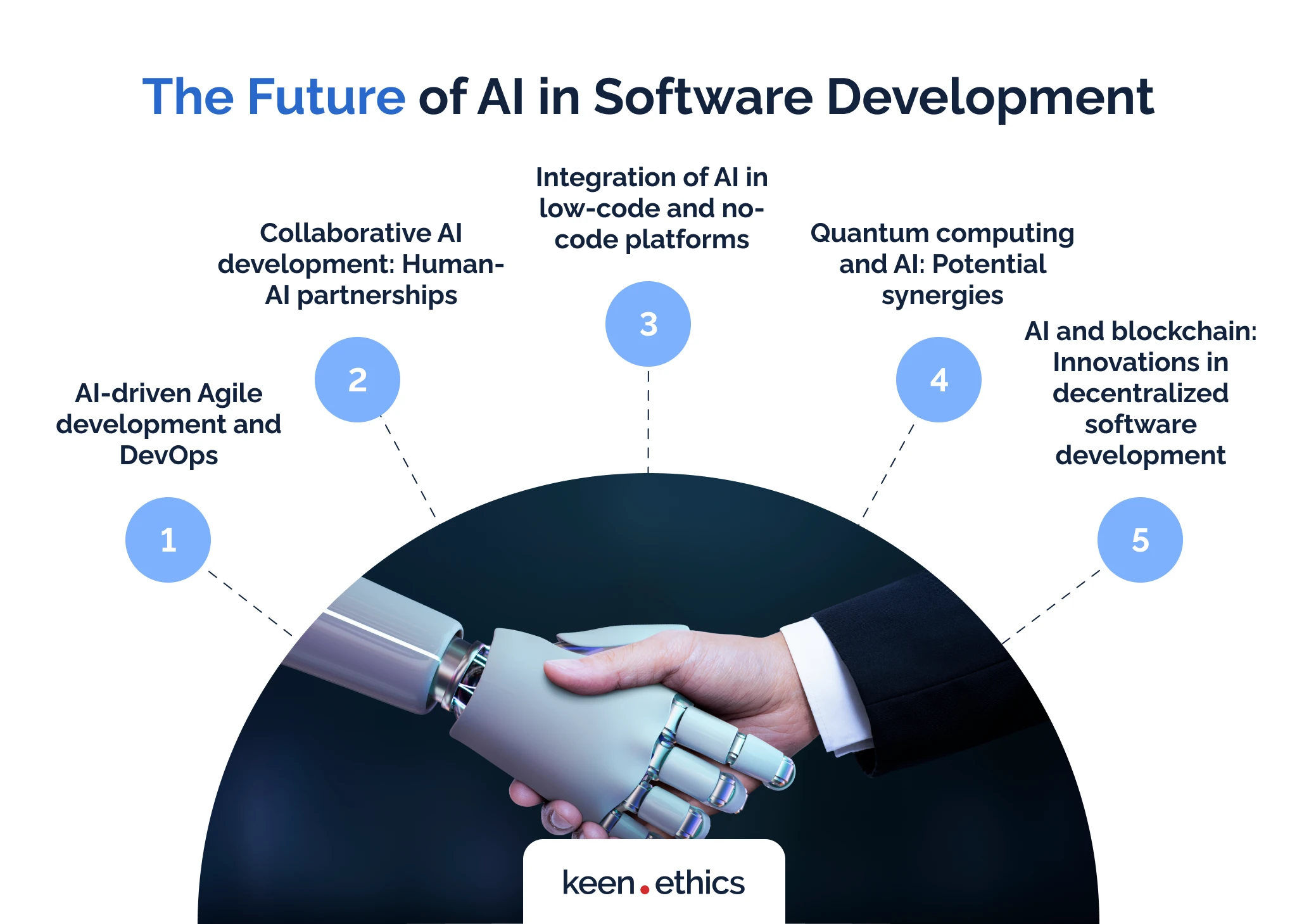
The history of software development has always been defined by the tools used to translate human intent into machine-executable instructions. Since the introduction of high-level programming languages in 1958, the goal has consistently been to make development more portable and human-readable, as detailed by Wikipedia’s documentation on software history. Today, that objective remains the same, even as the “compiler” or “interpreter” is now often preceded by an AI-driven autocomplete engine.
Balancing Efficiency and Quality Assurance
Software quality assurance and security are increasingly critical, particularly as bugs and security vulnerabilities can lead to significant system failures. When teams rely on AI for refactoring or debugging, they must ensure that the output is subjected to the same level of scrutiny as code written entirely by hand. The consensus among many engineering leads is that AI should be treated as a junior assistant—capable of handling repetitive tasks but requiring constant verification by senior staff.
The legal and ethical implications of this workflow also cannot be ignored. Software licenses and intellectual property rights play a significant role in how products are distributed and maintained. If an AI tool suggests code that infringes on existing patents or contains hidden vulnerabilities, the responsibility remains with the human developers who integrated that code into the final production build.
Practical Considerations for Modern Teams
For organizations looking to refine their processes, the following considerations are essential for maintaining high standards in a hybrid human-AI environment:
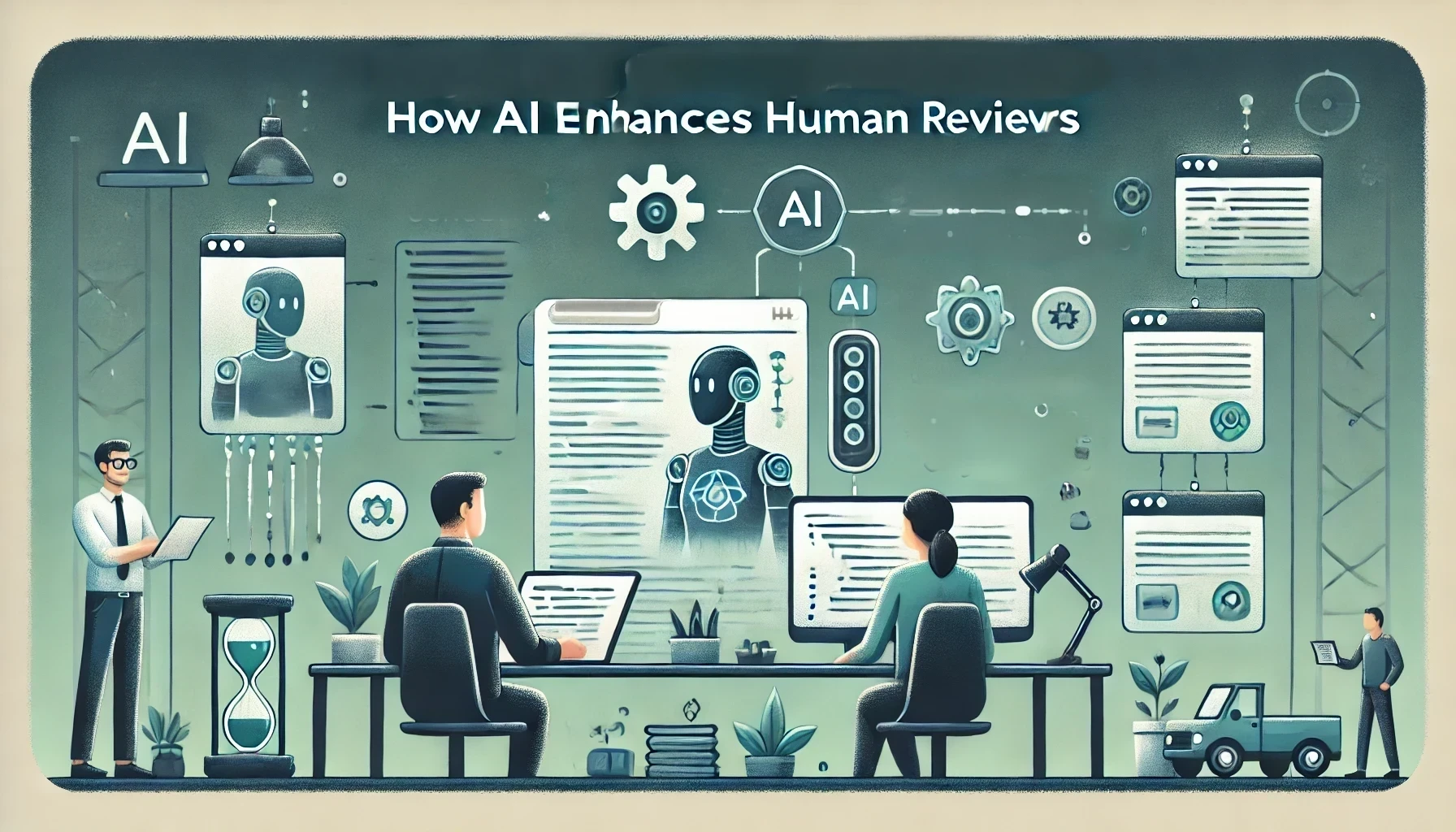
- Mandatory Human Review: No AI-generated code should be merged into a production environment without a manual code review by a qualified human engineer.
- Tool Transparency: Teams should clearly document which AI tools are being used, particularly those that utilize proprietary codebases for training or suggestion purposes.
- Focus on Maintenance: While AI excels at creating new functions, human developers must retain ownership of the long-term maintenance and technical debt management of the software.
As we move further into 2026, the industry is expected to see more formal guidelines regarding the use of AI in software engineering. These guidelines will likely focus on security standards and liability frameworks, ensuring that the convenience of automation does not come at the cost of software stability. For those interested in the latest tools and updates, platforms like the official Microsoft software download center continue to provide the foundational resources necessary for building secure, enterprise-grade applications.
Looking Ahead
The next major checkpoint for the industry involves the upcoming revisions to international software security standards, which are expected to incorporate specific clauses regarding the use of generative AI in code production. These updates will provide a clearer roadmap for developers and project managers who are currently navigating these changes in real-time.

How is your team handling the integration of AI tools in your daily workflow? Are you finding the trade-off between speed and oversight to be manageable? We welcome your thoughts and experiences in the comments section below as we continue to track this critical evolution in our industry.