Plug-and-Play Solar: How Mini-Systems are Empowering Homeowners
As energy costs continue to rise and concerns about climate change intensify, homeowners are increasingly looking for ways to generate their own clean electricity. A growing trend involves “Steckersolar” – or plug-and-play solar – systems, small-scale solar installations designed for easy setup and use. These systems, often connected to a balcony, terrace, garage roof, or garden, offer a relatively affordable and accessible entry point into renewable energy, allowing individuals to reduce their carbon footprint and potentially lower their electricity bills. A recent workshop in Arnsberg, Germany, led by energy advisor Carsten Peters of the Verbraucherzentrale NRW (North Rhine-Westphalia Consumer Center), demonstrated the practicalities of these systems, from installation to grid integration.
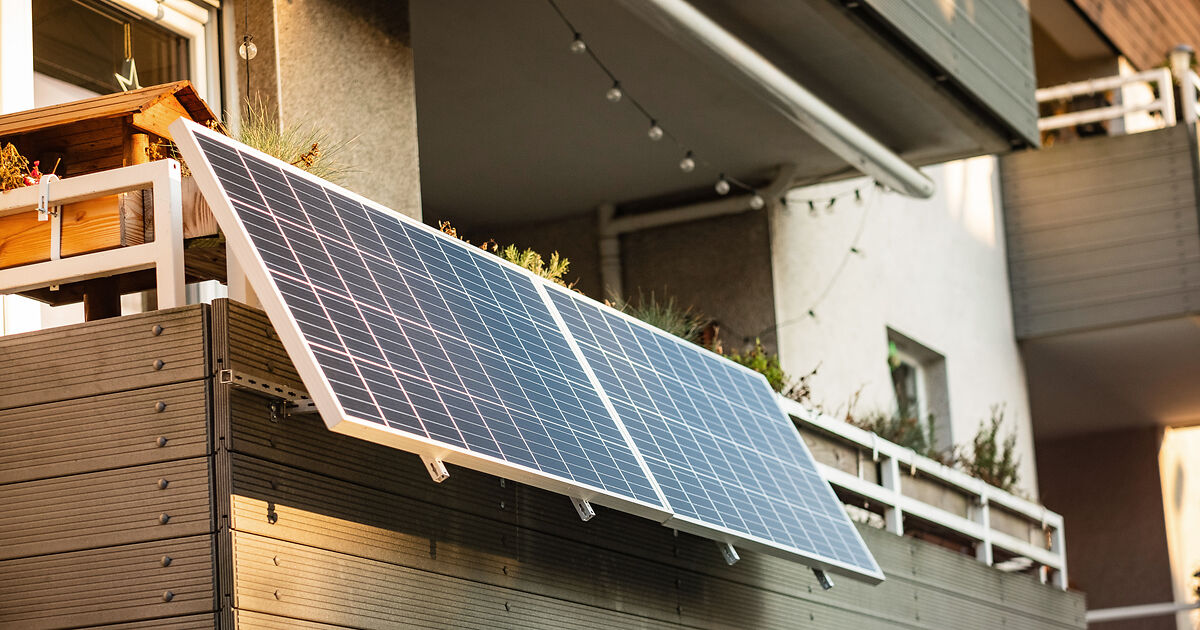
The appeal of Steckersolar lies in its simplicity. Unlike traditional rooftop solar panels, these systems typically don’t require professional installation or complex permitting processes, though local regulations are evolving and must be checked. They consist of a solar panel, an inverter (which converts direct current electricity from the panel into alternating current usable in homes), and a standard power plug. The systems are designed to feed excess energy back into the public grid, potentially earning homeowners credits on their electricity bills. The German government has been actively promoting the adoption of these systems, recognizing their potential to contribute to the country’s renewable energy targets. According to a report by the German Federal Network Agency (Bundesnetzagentur), the number of these small-scale solar installations has been steadily increasing in recent years, driven by falling prices and increasing consumer awareness.
Understanding the Technology and Workshop Experience
Carsten Peters, an energy advisor at the Verbraucherzentrale NRW in Arnsberg, recently hosted a workshop focused on demystifying Steckersolar technology. The workshop wasn’t just theoretical; participants had the opportunity to secure hands-on experience. Peters brought a solar module and inverter, allowing attendees to examine the components, assemble them, and test how electricity is fed into a simulated home network. A pre-installed Steckersolar system in the garden of the Stadtlabor Arnsberg (City Laboratory Arnsberg) was too showcased, with data on its energy production presented to attendees. This practical approach aimed to empower potential users with the knowledge and confidence to consider installing their own systems.
The workshop also covered crucial aspects beyond the technical setup. Peters addressed the key considerations for purchasing and installing Steckersolar devices, including relevant legal regulations and safety precautions. Here’s particularly important as regulations surrounding these systems are still developing in many regions. For example, in Germany, the regulations regarding grid connection and metering are governed by the Renewable Energy Sources Act (Erneuerbare-Energien-Gesetz – EEG) and the Technical Connection Rules (Technische Anschlussbedingungen – TAB). Understanding these rules is essential for ensuring a safe and legally compliant installation. The Verbraucherzentrale NRW provides guidance on navigating these regulations, helping consumers avoid potential pitfalls.
Key Considerations Before Investing in Steckersolar
While Steckersolar systems offer a convenient path to renewable energy, several factors should be considered before making a purchase. Peters emphasized the importance of assessing your energy needs and the suitability of your location. Factors like the amount of sunlight your balcony or roof receives, the orientation of the panel, and any potential shading from trees or buildings will all impact the system’s performance.
Choosing the right inverter is also crucial. Inverters come in different sizes and with varying levels of efficiency. It’s important to select an inverter that is compatible with your solar panel and meets the requirements of your local grid. Safety is paramount. Ensure the system is properly grounded and protected against overvoltage and short circuits. Peters stressed the importance of adhering to all safety guidelines and, if in doubt, consulting with a qualified electrician.
Legal Regulations and Grid Connection
Navigating the legal landscape surrounding Steckersolar systems can be complex. Regulations vary significantly depending on location. In Germany, for instance, homeowners are generally required to register their Steckersolar system with their local grid operator. The grid operator will then assess the system’s compatibility with the grid and may require certain modifications to ensure safe operation. The EEG outlines the framework for feed-in tariffs, which determine the compensation homeowners receive for the excess electricity they feed back into the grid. However, the specific tariff rates can vary depending on the system’s size and location. The Verbraucherzentrale NRW provides detailed information on these regulations and can assist consumers in understanding their rights and obligations.
The Arnsberg Experience and Energy Savings
The demonstration of a pre-installed Steckersolar system at the Stadtlabor Arnsberg provided a tangible example of the potential benefits of this technology. Attendees were able to see firsthand how much energy the system was generating and how it was contributing to the building’s overall energy consumption. While the exact energy savings will vary depending on factors like system size, location, and energy usage patterns, Steckersolar systems can significantly reduce electricity bills, particularly during peak sunlight hours.
The city of Arnsberg has been actively promoting energy efficiency and renewable energy initiatives. In 2025, the city, in collaboration with the Verbraucherzentrale NRW, organized “Energiespa(r)ziergänge” (Energy Saving Walks) where residents could learn about energy losses in homes using thermal imaging technology. Carsten Peters, as an energy advisor with the Verbraucherzentrale, played a key role in these walks, using thermography to identify areas of heat loss and providing advice on energy-saving measures. These walks highlight the city’s commitment to raising awareness about energy conservation and promoting sustainable practices.
Looking Ahead: The Future of Plug-and-Play Solar
The Steckersolar trend is expected to continue growing as technology improves and costs decline. Innovations in solar panel efficiency and inverter technology are making these systems even more attractive to homeowners. The increasing availability of smart home integration features allows users to monitor their energy production and consumption in real-time, optimizing their energy usage and maximizing their savings.
Carsten Peters, as highlighted in a recent interview with WDR Lokalzeit Südwestfalen, is a leading voice in promoting energy efficiency and renewable energy solutions in the region. His expertise is invaluable for consumers looking to navigate the complexities of the energy market and make informed decisions about their energy choices.
Key Takeaways
- Steckersolar systems offer a simple and affordable way to generate clean electricity at home.
- Understanding local regulations and safety precautions is crucial before installing a system.
- Properly assessing your energy needs and location will maximize the system’s performance.
- The German government is actively supporting the adoption of these systems through feed-in tariffs and regulatory frameworks.
The future of energy is undoubtedly shifting towards decentralized, renewable sources. Plug-and-play solar systems represent a significant step in that direction, empowering individuals to accept control of their energy consumption and contribute to a more sustainable future. As the technology continues to evolve and become more accessible, we can expect to see even wider adoption of these innovative systems in the years to come. What are your thoughts on plug-and-play solar? Share your comments below and let us realize how you are embracing renewable energy in your home.
Related reading