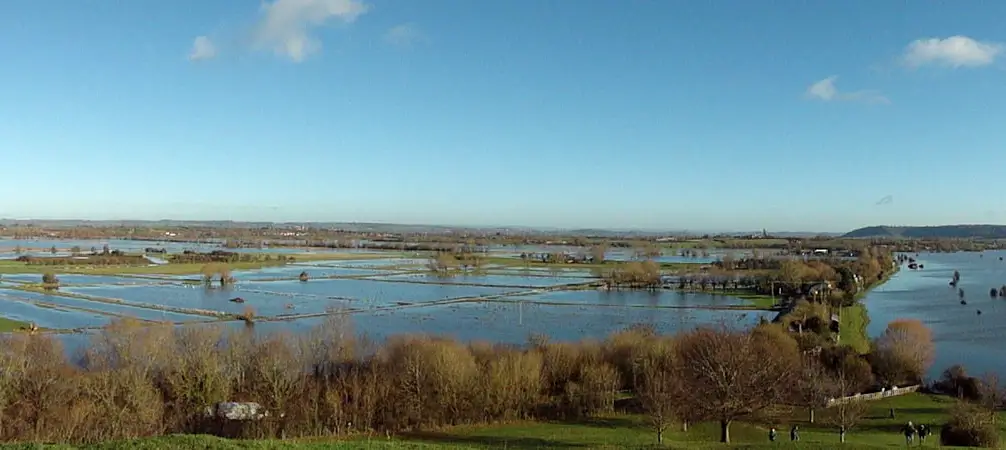
The UK government has announced a £50 million investment aimed at strengthening flood resilience across Somerset, following a series of severe winter weather events that impacted the region’s homes, farms, and businesses. The funding, confirmed on Tuesday, June 9, 2026, by the Department for Environment, Food & Rural Affairs (Defra), is designed to bolster infrastructure and mitigate the risks posed by future extreme weather, according to official government statements.
This initiative follows a difficult start to 2026 for the county, which recorded its second wettest January on record. Rainfall levels reached more than double the local average, leading to persistent flooding that stretched into February and prompted Somerset Council to declare a major incident. During the height of the crisis, local defences, high-capacity pumps, and Environment Agency teams were deployed to protect 2,860 properties from water damage.
Infrastructure and Nature-Based Solutions
The £50 million investment will be directed toward a multi-faceted approach to water management. According to the government, the funding package supports a combination of traditional infrastructure upgrades and nature-based solutions. Key measures include the enhancement of existing flood defence schemes, improvements to watercourse maintenance, and the implementation of natural systems designed to slow or manage water flow across the landscape.
These efforts are intended to provide long-term protection while reducing the strain on emergency responders during future flood events. By focusing on both improved drainage infrastructure and environmental restoration, authorities aim to increase the resilience of communities that have faced recurring flood risks. The government has noted that Somerset remains one of England’s most vital agricultural counties, and this support is specifically intended to reduce the impact of flooding on farmland and the rural livelihoods that depend on it.
National Flood Resilience and Maintenance Standards
The investment in Somerset is part of a broader national flood resilience programme, which involves a total government commitment of £10.5 billion to be spent through 2036. This national strategy aims to deliver new defences and restore existing assets across England. The Environment Agency has reported that 250 projects have been completed since 2024, providing better protection for nearly 62,000 properties nationwide—a figure that the agency states exceeded its original target by almost 10,000.
Operational standards for these defences have also seen improvement. The Environment Agency confirmed that 93% of flood defences currently meet the required standard, surpassing the previous target of 92%. This progress follows a £72 million reprioritisation effort in 2025 aimed at repairing and restoring critical flood assets. Looking ahead, the government has announced plans to raise its ambition, with a target of 93.5% for the maintenance of assets protecting the largest numbers of homes and businesses for the 2026/27 period.
Updated Warning Systems and Ministerial Response
In addition to physical infrastructure, the Environment Agency has launched a new National Flood Forecasting and Warning Service. Comprising a 170-strong team, the service centralises forecasting, modelling, and warning functions into a single national operation. According to Philip Duffy, Chief Executive of the Environment Agency, this shift is essential as extreme weather becomes more frequent, allowing for a faster and more consistent response to emerging risks.
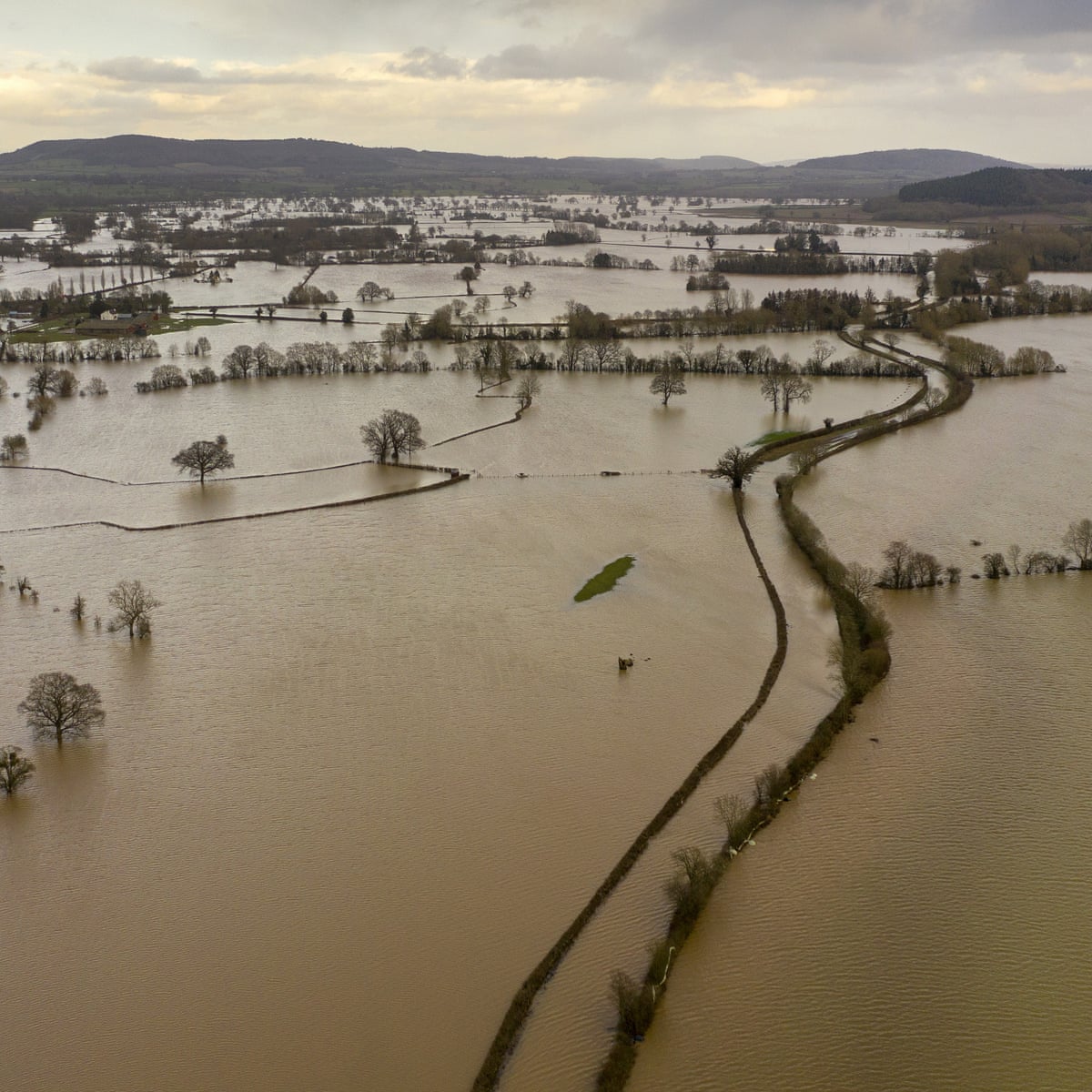
Floods Minister Emma Hardy emphasised the necessity of this long-term support during the announcement. “Somerset has faced the full force of extreme weather this year,” Hardy stated, adding that the government is committed to providing more than just temporary fixes to protect local livelihoods. Somerset Council Leader Bill Revans also welcomed the announcement, noting that the winter events highlighted the county’s susceptibility to climate change and the urgent need for communities to adapt.
The government has indicated that this funding is part of an ongoing commitment to infrastructure maintenance and public warning systems. Residents and stakeholders can monitor official updates regarding flood risk and infrastructure progress through the Environment Agency’s public portals as the new projects move into the implementation phase.
Worth a look