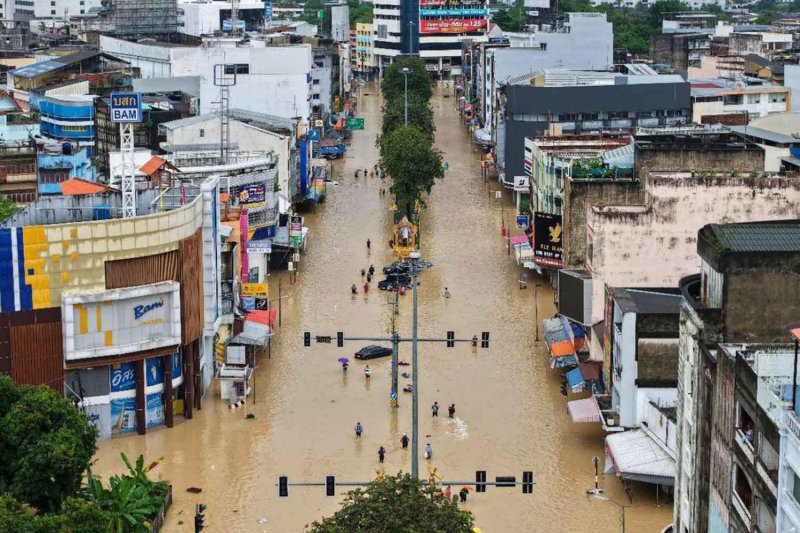
Residents living along the canal networks in Hat Yai, a commercial hub in southern Thailand, are facing mounting anxiety as the region approaches its annual monsoon season. Concerns are centered on the structural integrity of flood prevention infrastructure, specifically sections of the floodwall that sustained damage during previous weather events and remain unrepaired. For many in the Songkhla province, the physical state of these defenses serves as a stark reminder of the economic and personal toll brought by seasonal flooding.
The city of Hat Yai has historically navigated significant challenges regarding water management, given its geography and its role as a primary gateway for regional trade. As the wet season nears, the presence of damaged floodwalls has prompted local communities to weigh the risks of potential overflow against the ongoing maintenance responsibilities of regional and municipal authorities. For business owners and families alike, the stability of these barriers is not merely a matter of infrastructure, but a critical component of local economic resilience.
Infrastructure Resilience and Regional Flood Management
The management of water levels in Hat Yai is largely overseen by the Royal Irrigation Department (RID), which maintains a network of canals and flood control structures designed to mitigate the impact of heavy rainfall. According to the Royal Irrigation Department’s official portal, the region utilizes a combination of bypass channels and reinforced embankments to manage the discharge of storm water. However, the efficacy of these systems is heavily dependent on consistent maintenance and the timely repair of critical barriers following the end of each monsoon cycle.
When floodwalls are compromised, the risk of inundation in low-lying residential and commercial zones increases substantially. Engineering experts note that flood mitigation systems require proactive upkeep to handle the high-volume flow characteristic of the southern Thai climate. The current situation in Hat Yai highlights the tension between the necessity for rapid structural restoration and the logistical hurdles involved in large-scale provincial civil engineering projects.
The Economic Impact of Seasonal Flooding
Hat Yai serves as a vital economic node in southern Thailand, with its markets and transport links supporting a wide range of industries, from agriculture to tourism. When floodwaters breach urban defenses, the resulting disruption to logistics and retail operations can be profound. Business leaders in the region have long advocated for robust flood prevention measures, emphasizing that reliable infrastructure is essential for investor confidence and the long-term stability of the provincial economy.
The Office of the National Economic and Social Development Council regularly monitors the impact of climate-related events on regional growth. In recent years, the council has stressed that the integration of climate adaptation strategies into urban planning is a priority for preventing the “economic scarring” that can occur following repeated disaster events. For Hat Yai, the ability to maintain its floodwall system is a litmus test for the effectiveness of these broader developmental policies.
Community Preparedness and Official Guidance
As the monsoon season approaches, local government agencies are tasked with providing clear communication regarding flood risks and evacuation protocols. Residents are typically encouraged to monitor updates from the Thai Meteorological Department, which provides real-time data on precipitation levels and severe weather warnings for the southern provinces. Staying informed through these official channels is the most effective way for households to prepare for potential emergencies.

Key Considerations for Residents
- Monitor Official Alerts: Keep track of updates from the Thai Meteorological Department to understand rainfall projections for the Songkhla area.
- Review Evacuation Plans: Families residing near canal banks should familiarize themselves with local evacuation routes designated by municipal authorities.
- Infrastructure Reporting: Residents who notice further degradation of flood barriers should report these concerns to local district offices to ensure they are documented in the maintenance queue.
- Emergency Supplies: Maintaining a “go-bag” with essential documents, medication and non-perishable food is a recommended precaution for those in high-risk zones.
While the state of the floodwalls remains a point of concern for those living along the canals, the broader strategy for Hat Yai involves a mix of short-term repairs and long-term water management planning. The success of these efforts will be measured by the city’s ability to withstand the upcoming wet season without significant disruption. For now, the community remains in a state of watchful waiting, balancing daily life with the realities of the changing climate.
The next official update regarding regional flood mitigation projects is expected to be released as part of the provincial development board’s quarterly report, which will outline the status of ongoing civil engineering works in Songkhla. We encourage our readers to share their local insights in the comments section below and to stay tuned for further developments on this critical infrastructure story.
Worth a look