
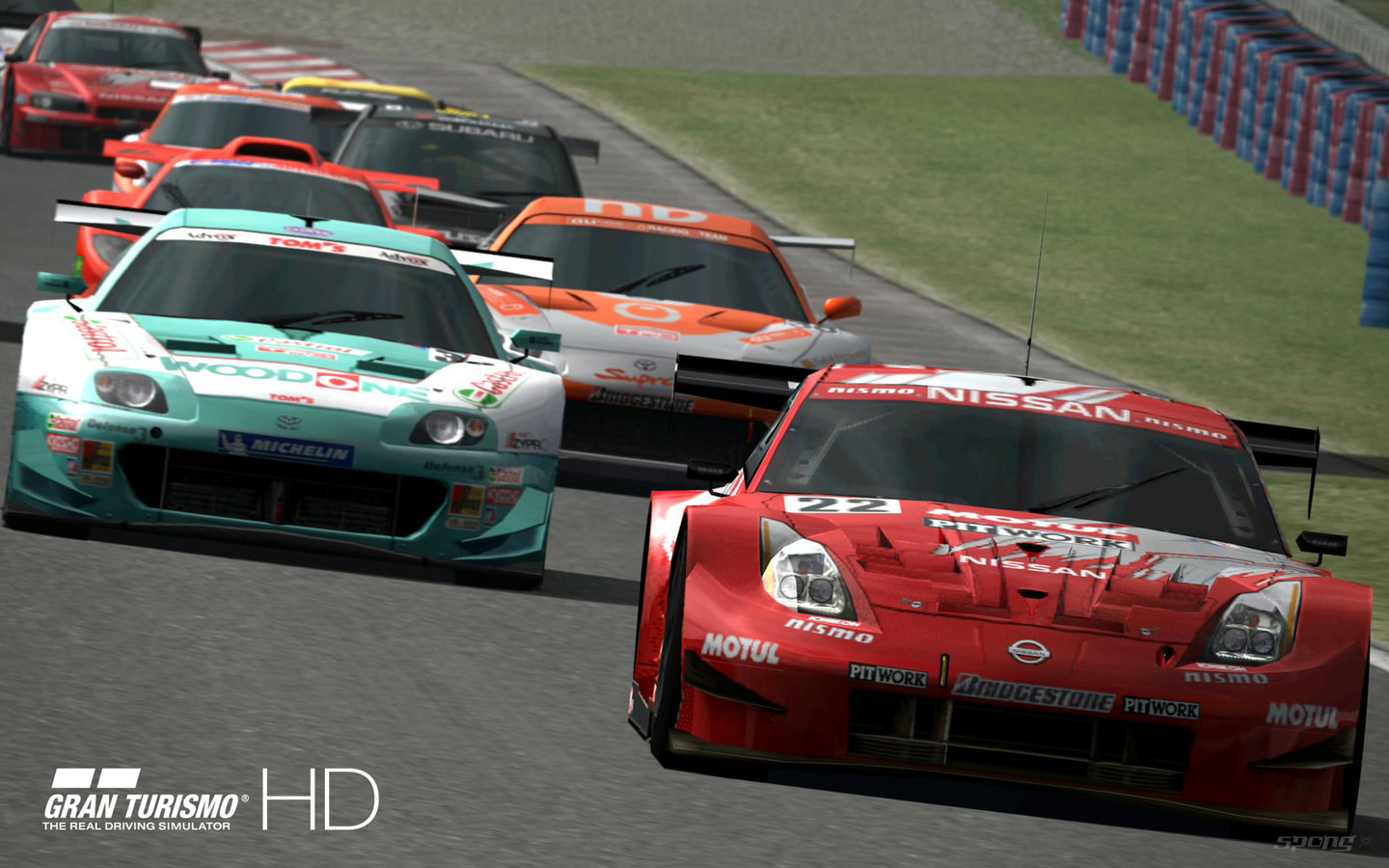
A rare, previously unknown demonstration version of Gran Turismo HD Concept has been recovered from a Sony PlayStation 3 development kit, providing a glimpse into a transitional era of automotive simulation. The discovery, which originated from a hardware unit dated to 2007, confirms the existence of early build data that was never released to the public, according to reports from preservationist communities that track console development history.
The Gran Turismo HD Concept project serves as a historical marker for Polyphony Digital, acting as a technical bridge between the PlayStation 2 era and the high-definition capabilities of the PlayStation 3. While the final Gran Turismo HD Concept was released as a free digital download on the PlayStation Store in December 2006, this specific demo build found on the development hardware suggests a more complex iteration of the title, potentially containing assets or features intended for the full-scale Gran Turismo 5 development cycle, as noted by researchers at The Cutting Room Floor, a wiki dedicated to documenting unused content in video games.
The Evolution of Gran Turismo HD Concept
When Polyphony Digital first showcased Gran Turismo HD at the Electronic Entertainment Expo (E3) in 2005, the industry viewed it as a tech demonstration to prove the potential of the PlayStation 3 hardware. By 2006, the project had evolved into Gran Turismo HD Concept, which allowed players to experience a limited selection of cars and tracks in 1080p resolution. The recently discovered demo file, extracted from a debug console, contains internal naming conventions and file structures that differ from the retail version, indicating it was likely used for internal testing or trade show demonstrations.

The significance of this find lies in the technical preservation of the series. According to official records from Polyphony Digital, the transition to the PlayStation 3 required a total overhaul of the studio’s physics and rendering engines. This discovery allows historians and enthusiasts to examine how the studio balanced graphical fidelity with the franchise’s signature simulation accuracy during a period when the PS3’s Cell Broadband Engine was notoriously difficult for developers to master.
Understanding the Role of Development Kits
Development kits, or “dev kits,” are specialized hardware units provided by console manufacturers to software studios. Unlike retail consoles, these units feature additional RAM, specialized debugging ports, and, occasionally, hard drives containing pre-release software builds. The recovery of this Gran Turismo demo highlights the importance of hardware preservation in the digital age. Without the physical hardware, much of the iterative process—the discarded tracks, the tweaked car handling, and the early UI designs—would be lost permanently once the internal servers were wiped.
The discovery process involves extracting data from these proprietary hard drives, a task that requires both technical expertise in legacy file systems and an understanding of Sony’s security architecture. As reported by Eurogamer in their coverage of similar preservation efforts, the gaming community has become the primary custodian of this history, as companies often lack the resources or interest to archive internal beta builds.
Why This Discovery Matters for Simulation Enthusiasts
For fans of the Gran Turismo series, this demo represents a “missing link.” The retail version of Gran Turismo HD Concept was limited to two modes: “Time Trial” and “Drift Trial.” Early reports from users who have accessed the newly discovered files suggest that the demo contains slightly different handling parameters and visual effects compared to the final release. These differences provide data points for how the series’ driving model was refined over the course of its development.
The preservation of such files ensures that the technical history of the racing genre remains accessible. As digital storefronts close and online services for older consoles are shuttered, the ability to study these early builds becomes essential for researchers looking to document the history of software development. There is currently no official word from Sony Interactive Entertainment regarding the preservation or public release of these internal assets, and the company has historically maintained strict control over its proprietary intellectual property and development tools.
Next Steps in Console Preservation
The community-led effort to document these files continues as more developers and collectors share the contents of their retired hardware. The next checkpoint for this project involves the thorough documentation of the file structure and the comparison of assets against the final 2006 retail release to identify specific mechanical changes. Interested readers can follow developments via community forums dedicated to Gran Turismo history and the broader video game preservation movement.
Have you encountered rare software builds in your own hardware collection? Share your findings and thoughts in the comments section below.
Worth a look