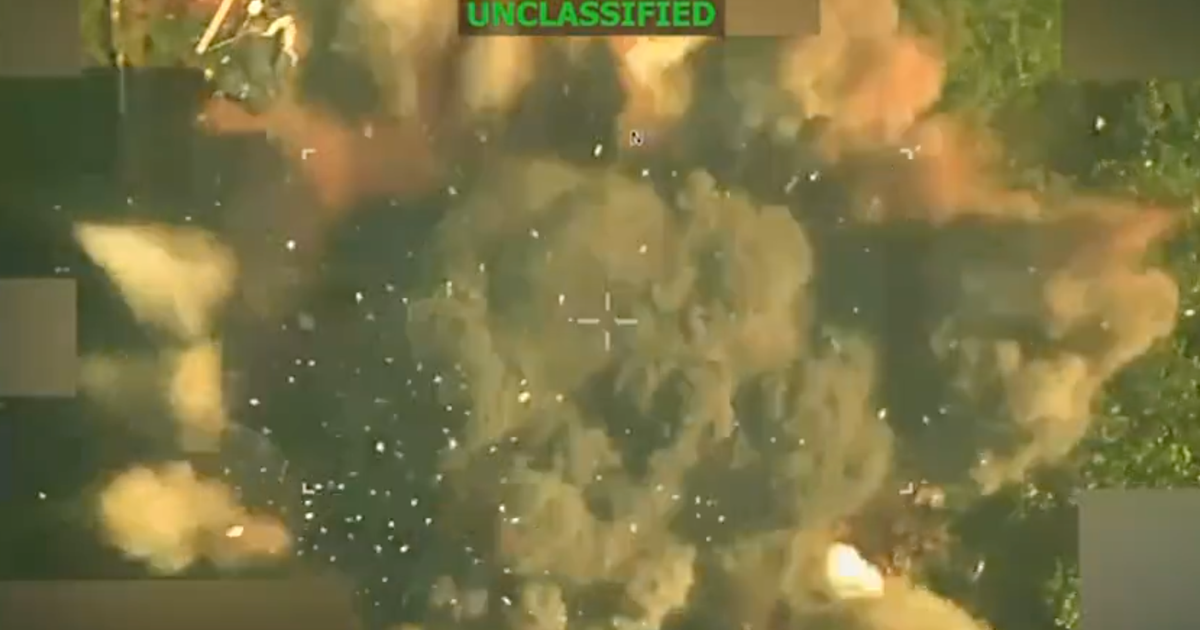
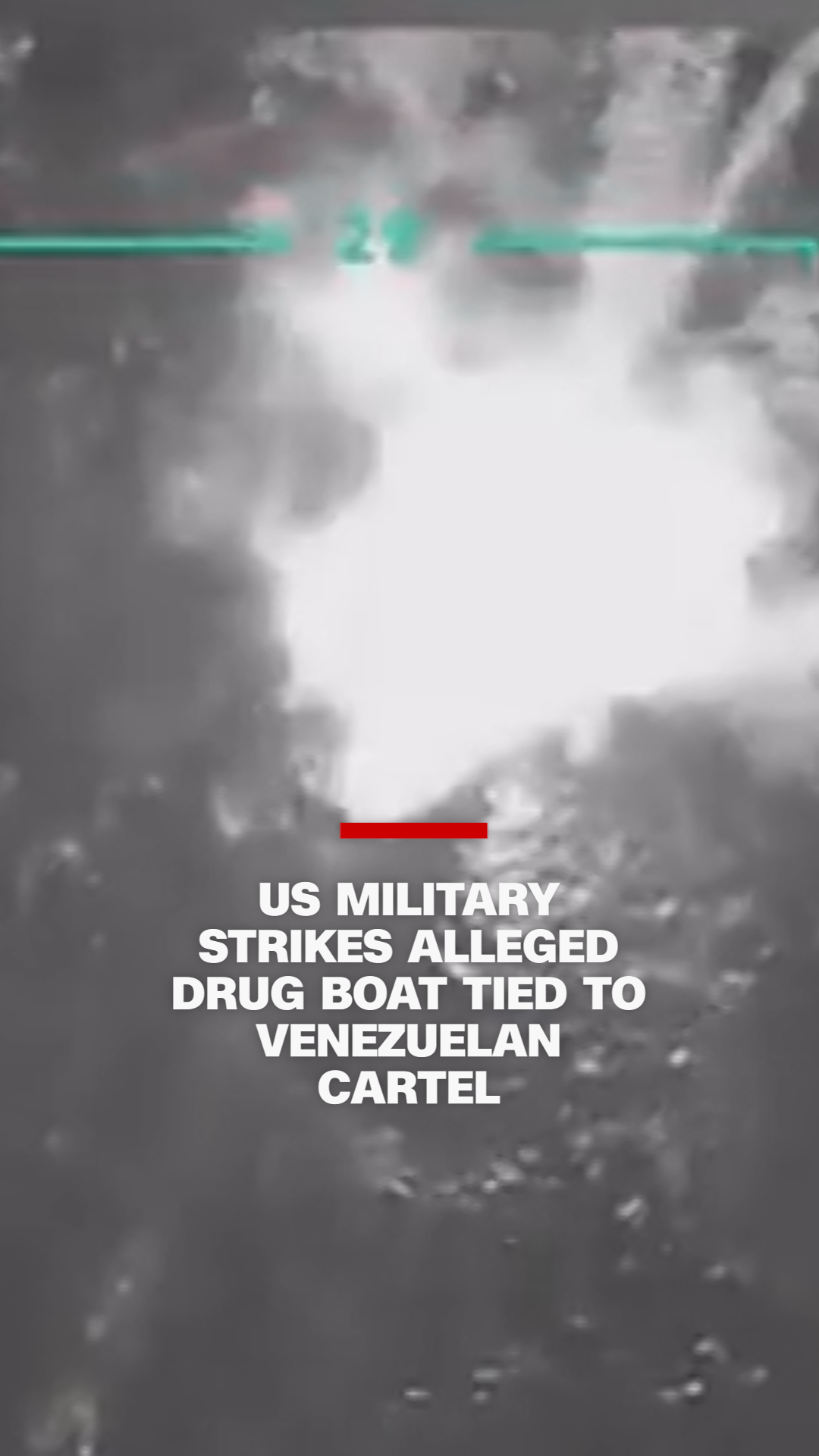
United States officials and Venezuelan authorities have reported the death of a high-ranking leader of the Tren de Aragua criminal organization following a targeted military strike. The operation, which took place within Venezuelan territory, marks a significant escalation in efforts to dismantle the transnational gang, which has expanded its criminal operations across Latin America and into the United States, according to the U.S. Department of Justice.
The strike, described as a joint effort by security officials, targeted the leadership of the group, which the U.S. government has officially designated as a significant transnational criminal organization. While details regarding the specific tactical execution remain limited, the action underscores a shift in how international law enforcement agencies are addressing the group’s influence. The organization is currently the subject of multiple federal investigations in the U.S. related to human trafficking, extortion, and money laundering, as documented in recent U.S. State Department sanctions.
Origins and Expansion of Tren de Aragua
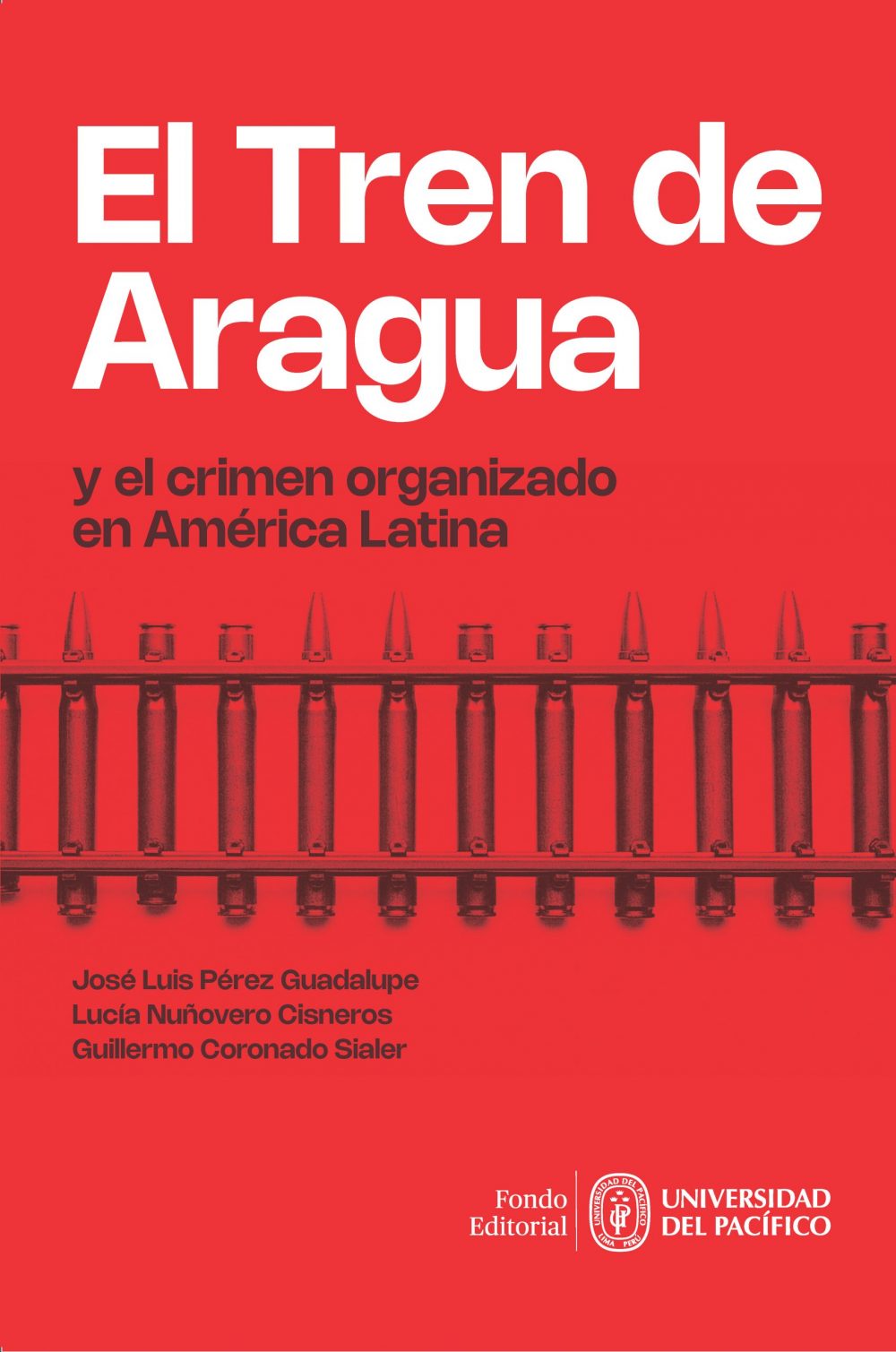
Tren de Aragua originated within the Tocorón prison in the state of Aragua, Venezuela. Over the past decade, the group evolved from a localized prison gang into a sophisticated criminal enterprise that follows the migration patterns of Venezuelans fleeing their home country. According to the Congressional Research Service, the gang has established a presence in several countries, including Colombia, Peru, Chile, and the United States, often targeting vulnerable migrant populations through extortion and forced labor.
The group’s operational model relies on extreme violence to maintain control over territory and illicit supply chains. U.S. law enforcement agencies, including the FBI and Homeland Security Investigations, have spent the last two years mapping the group’s hierarchy. This research has led to the identification of key leaders who manage operations from abroad, often utilizing encrypted communication to coordinate activities between South American operations and cells established in major U.S. cities.
The Impact of Targeted Operations
The decision to utilize a military strike against a criminal gang leader represents an unusual departure from traditional law enforcement tactics, such as extradition requests or domestic arrests. Analysts suggest this approach reflects the difficulties in obtaining cooperation from the Venezuelan government under the current political climate. Historically, the lack of formal diplomatic channels has hindered the ability of U.S. federal agents to pursue suspects residing within Venezuelan borders.
According to reports from the White House, the U.S. government has prioritized the neutralization of Tren de Aragua’s leadership as part of a broader strategy to secure the border and protect communities from transnational criminal violence. The impact of this strike on the group’s day-to-day operations remains to be seen, as the organization is known for a decentralized structure that allows subordinate commanders to assume control quickly when senior leaders are removed.
Challenges in International Cooperation
Coordinating counter-narcotics and anti-gang operations with Venezuela has been complicated by ongoing sanctions and the suspension of most bilateral security agreements. The U.S. Treasury Department maintains strict oversight of financial transactions involving Venezuelan entities, which complicates the tracking of funds generated by Tren de Aragua’s criminal activities. Despite these hurdles, information-sharing between regional intelligence services has increased as the gang’s violence has triggered concerns among neighboring governments.
The U.S. government continues to utilize the Transnational Organized Crime Rewards Program to incentivize the capture of gang leadership. As of late 2024, the State Department has authorized rewards for information leading to the arrest or conviction of several top-tier members of the organization, as outlined in the official rewards notice.
Looking Ahead
As the situation develops, the focus for U.S. officials will likely shift toward assessing the stability of Tren de Aragua’s remaining leadership and the potential for retaliatory actions. Law enforcement agencies are expected to maintain heightened surveillance on suspected gang cells within the United States. Further details regarding the aftermath of the strike are expected to be provided by the U.S. Department of Justice in upcoming briefings, as investigators continue to process evidence recovered from recent raids in domestic jurisdictions.

For updates on federal investigations or to report information regarding criminal activity related to this organization, the public is encouraged to visit the official portal of the Federal Bureau of Investigation. Readers are invited to share their thoughts on these developments in the comments section below.
Keep reading