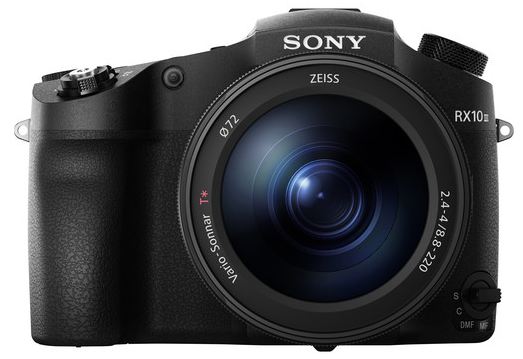
The Sony RX10 V has emerged as a focal point for photography enthusiasts, with recent industry reports suggesting the premium bridge camera will feature 4K120 video recording capabilities and a price point of approximately 2,500 euros. As a successor in Sony’s long-standing RX10 series, this model is expected to integrate advanced AI-driven autofocus technology, building on the sensor-focused engineering that has defined the lineup for years.
While official specifications from Sony remain pending, the industry conversation centers on the camera’s ability to bridge the gap between compact convenience and professional-grade performance. For users navigating the high-end camera market, the RX10 V represents a potential shift in how bridge cameras utilize computational photography to assist with complex focus tracking and high-frame-rate video capture.
Technical Specifications and Imaging Capabilities
At the core of the anticipated Sony RX10 V is the integration of a 1-inch sensor, a hallmark of the RX10 series designed to balance low-light performance with a versatile zoom range. Current reports indicate that the lens system will offer a significant zoom reach, with some sources citing a 25x to 26x optical zoom, effectively pushing toward a 600mm equivalent focal length. This range is particularly relevant for wildlife and sports photographers who require reach without the weight of interchangeable lens systems.
The inclusion of 4K120 video support marks a notable upgrade in the camera’s processing power. Recording at 120 frames per second in 4K resolution allows for high-quality slow-motion footage, a feature previously reserved for Sony’s dedicated cinema and high-end mirrorless lines like the Alpha series. To manage this data throughput, the camera is expected to rely on an updated image processor capable of handling the high bitrates associated with such video fidelity.
AI-Driven Autofocus and Design Updates
The most significant operational change for the RX10 V is the reported integration of a dedicated AI-processing unit for autofocus. Sony has increasingly deployed this technology across its newer Alpha cameras, allowing the system to recognize human subjects, animals, birds, and vehicles with greater precision. By applying this technology to a fixed-lens bridge camera, Sony appears to be targeting users who want professional autofocus reliability without the manual complexities of lens switching.
Beyond the internal software, design refinements are expected to improve the handling of the chassis. Previous models in the RX10 series were praised for their ergonomic grip and weather-sealed bodies, and the RX10 V is rumored to refine these physical controls to better accommodate the increased processing demands. These changes are intended to provide a more intuitive experience for videographers who need quick access to settings while shooting in dynamic environments.
Market Positioning and Pricing Expectations
With a suggested price point of 2,500 euros, the Sony RX10 V enters a competitive space where it must justify its cost against entry-to-mid-level mirrorless systems. The primary value proposition for this camera is the “all-in-one” experience. By providing a high-quality, long-range zoom lens and advanced video features in a single, sealed package, the device eliminates the need for additional lenses, which can significantly increase the total cost of ownership in other systems.
Potential buyers should monitor official channels, including the Sony Electronics product page, for the formal announcement of the release date and regional pricing. As the market for fixed-lens premium compacts remains a specialized niche, the RX10 V is positioned for professionals and advanced hobbyists who prioritize portability alongside high-end video and tracking performance.
Updates regarding availability and specific regional launch dates are expected to follow in the coming months. For those interested in the latest developments, keeping track of manufacturer press releases is the most reliable way to verify the final feature set and retail pricing. We welcome readers to share their thoughts on the evolution of the bridge camera segment in the comments below.