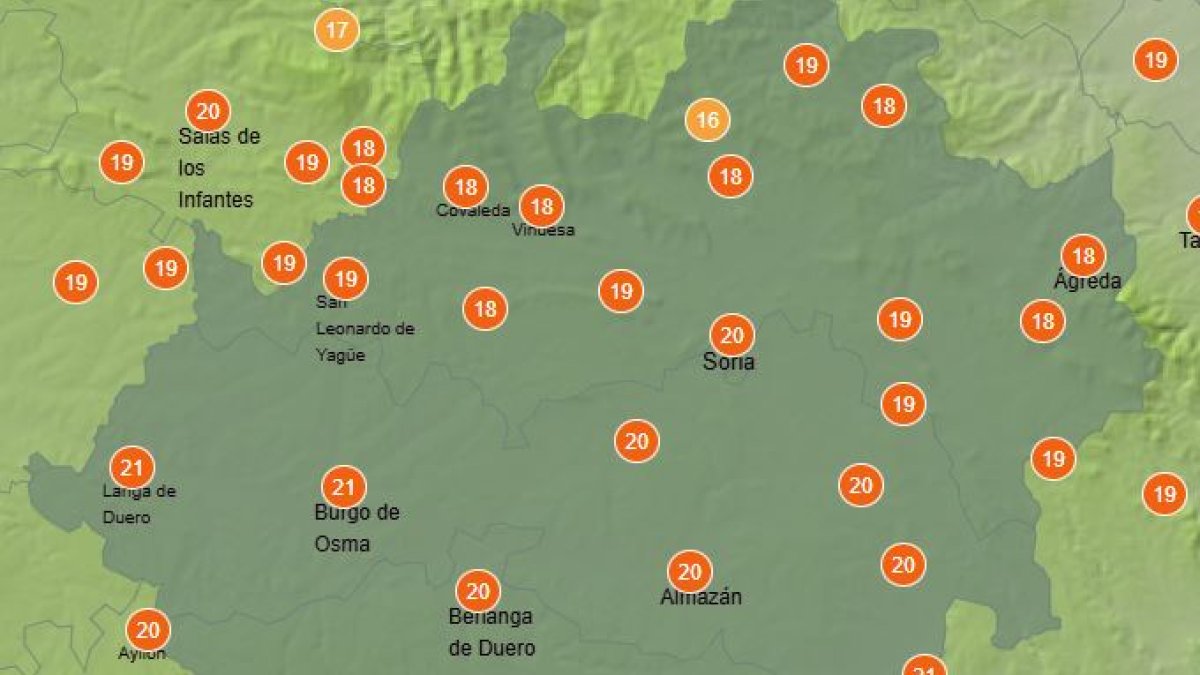
Unseasonable Warmth Sweeps Across Spain: Soria Experiences Early Spring Temperatures
A remarkable shift in weather patterns is unfolding across Spain, with temperatures soaring to unseasonably high levels even as the country recently grappled with severe storms and flooding. In the province of Soria, temperatures reached 20 degrees Celsius (68 degrees Fahrenheit) on Tuesday, February 24th, a significant anomaly for late February in a region known for its cold winters. This dramatic change comes just days after much of Spain, including Soria, endured harsh weather conditions, including widespread inundations and powerful storm systems. The Agencia Estatal de Meteorología (AEMET), Spain’s national weather service, has confirmed this early arrival of spring-like conditions, with forecasts predicting temperatures could reach 21 degrees Celsius (70 degrees Fahrenheit) in the coming days.
The recent period of intense weather has left its mark on the region. Earlier in February, Soria, along with other parts of Spain, experienced significant flooding. According to reports, the alert level in Soria due to flooding was reduced to a situation 1 emergency status on February 19th, 2024, as conditions improved, but the impact remained substantial. Simultaneously, a series of storms swept across the Iberian Peninsula, causing widespread damage. These storms reportedly devastated approximately 7,600 hectares of land across Castilla y León, highlighting the vulnerability of the agricultural sector to extreme weather events.
Florecillas blancas.
The sudden transition to warmer temperatures is therefore particularly striking, raising questions about the broader implications of climate change and shifting weather patterns.
From Flooding to Heatwave: A Rapid Weather Reversal
The unexpected warmth isn’t limited to Soria. The AEMET forecasts similar conditions for Wednesday, February 25th, with temperatures expected to remain around 21 degrees Celsius (70 degrees Fahrenheit) in the regions of Almazán and El Burgo de Osma, and slightly lower in the Soria area. Skies are predicted to be mostly clear with some high-level cloud cover, and the possibility of morning mist. Looking ahead to Thursday, February 26th, the AEMET anticipates a continuation of these mild conditions, with temperatures again reaching 21 degrees Celsius (70 degrees Fahrenheit). Minimal changes are expected in minimum temperatures, although maximum temperatures may see a slight increase. This prolonged period of unseasonably warm weather is prompting concerns about its potential impact on local ecosystems and agricultural cycles.
While much of Soria is experiencing these warmer temperatures, a contrasting situation exists in Morón de Almazán, a town within the province. Despite the overall warming trend, Morón de Almazán recorded a low of -3.6 degrees Celsius (25.5 degrees Fahrenheit) on Tuesday morning, placing it among the coldest locations in the country. This phenomenon highlights the localized variations in weather patterns even within a relatively modest geographical area, and underscores the complex interplay of atmospheric conditions. This wasn’t an isolated incident, as Morón de Almazán also experienced some of the lowest temperatures in Spain on both Saturday and Sunday preceding Tuesday.
The Broader Context: Climate Change and Shifting Weather Patterns
The recent weather anomalies in Spain are occurring against a backdrop of increasing global temperatures and more frequent extreme weather events. While attributing any single weather event directly to climate change requires careful scientific analysis, the overall trend towards warmer temperatures and more volatile weather patterns is consistent with climate models. The Intergovernmental Panel on Climate Change (IPCC) has repeatedly warned of the increasing frequency and intensity of heatwaves, droughts, and floods as a result of human-induced climate change.
Una rosa.
Spain, located in a region particularly vulnerable to climate change, is already experiencing the effects of rising temperatures and changing precipitation patterns.
The early arrival of spring-like temperatures in Soria and other parts of Spain could have significant consequences for agriculture. Warmer temperatures may trigger premature budding in fruit trees and other crops, making them vulnerable to late frosts. Changes in precipitation patterns could also lead to water stress, particularly in regions already facing drought conditions. The unseasonable warmth could disrupt the natural cycles of local ecosystems, impacting wildlife and biodiversity. The agricultural sector in Castilla y León, already impacted by the recent storms that damaged 7,600 hectares of land, faces additional challenges from these shifting weather patterns.
Impact on Water Resources and Agriculture
The fluctuating weather conditions also impact water resource management. The Cuerda del Pozo reservoir, located in the province of Soria, is currently at 79% capacity, described as “quiet” according to recent reports. While this level is relatively healthy, the combination of recent flooding and the potential for prolonged drought conditions necessitates careful monitoring and management of water resources. The AEMET’s forecast of five days without rain starting Thursday, February 26th, suggests a potential shift towards drier conditions, which could exacerbate water stress in the region. Farmers and water authorities will necessitate to adapt their strategies to cope with these changing conditions.
The current situation underscores the importance of investing in climate resilience measures, such as drought-resistant crops, improved irrigation systems, and early warning systems for extreme weather events. Reducing greenhouse gas emissions remains crucial to mitigating the long-term impacts of climate change. The Spanish government has committed to ambitious climate targets under the European Green Deal, including reducing greenhouse gas emissions by 55% by 2030. But, achieving these targets will require significant investments and policy changes across all sectors of the economy.
Looking Ahead: Continued Monitoring and Adaptation
As Spain navigates this period of unseasonable warmth, continued monitoring of weather conditions and their impacts will be essential. The AEMET will continue to provide updated forecasts and warnings, allowing communities and businesses to prepare for potential risks. The situation in Soria serves as a stark reminder of the increasing vulnerability of regions to extreme weather events and the need for proactive adaptation measures. The coming days will be crucial in assessing the full extent of the impact of this early spring and in developing strategies to mitigate its potential consequences.
The next official update from the AEMET regarding the long-term weather outlook for Spain is expected on March 1st, 2026. Readers are encouraged to consult the AEMET website for the latest information and advisories. Share your thoughts on this unusual weather pattern and its potential impacts in the comments below.
- Betye Saar, Influential Assemblage Artist Known for Challenging Racial Stereotypes, Dies
- Wall Street Gains from Falling Oil Prices, but Chip Stocks Dampen the Rally
- Obesity Linked to Accelerated Brain Aging and Early Memory Loss (archyworldys.com)
- Extreme Heatwave Hits Italy: Temperatures to Soar Above 40°C (archynewsy.com)