
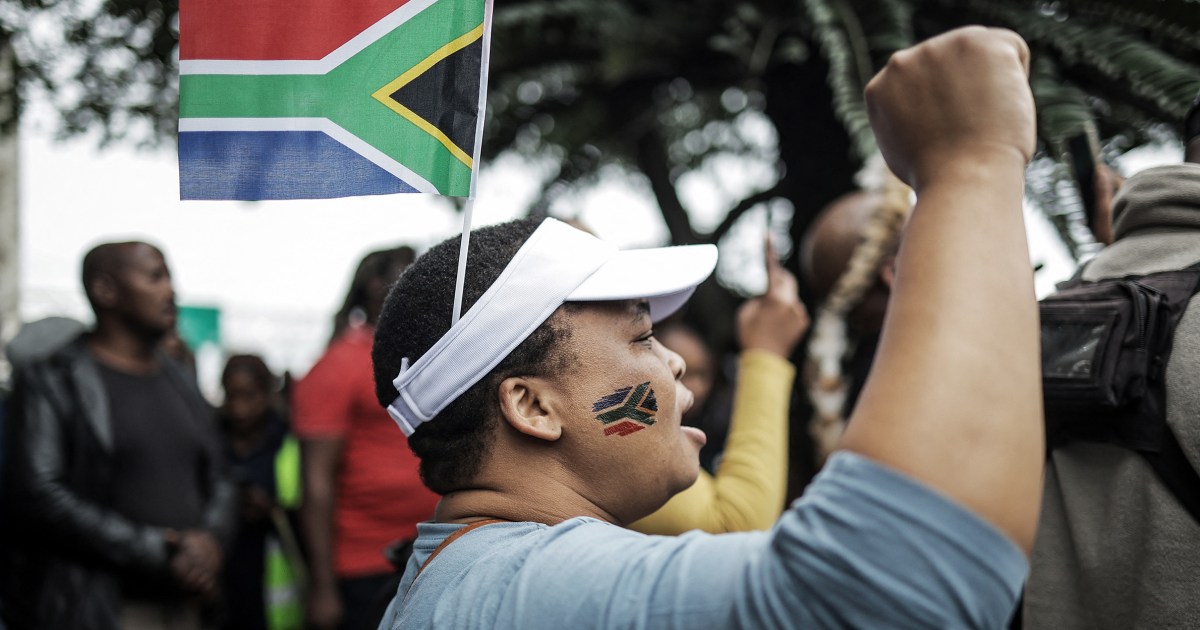
South African law enforcement officials confirmed the arrest of more than 900 individuals on Tuesday following a series of nationwide anti-migrant demonstrations. While the majority of the protests remained orderly, police reported that several gatherings escalated into incidents of violence and looting, necessitating a significant security response across multiple provinces.
The arrests, carried out by the South African Police Service (SAPS), represent a sharp escalation in tensions surrounding immigration policy and economic grievances in the country. Authorities have characterized the operations as an attempt to maintain public order amid growing civil unrest, according to official statements released by the South African Police Service.
Drivers of the Nationwide Unrest
The demonstrations were organized by various groups expressing concerns over national employment rates and the presence of undocumented migrants. Participants in several urban centers voiced frustrations regarding competition for jobs and access to public services. These sentiments have been a recurring theme in South African political discourse, often manifesting in localized protests that periodically gain momentum on a national scale.

The South African government has historically faced criticism regarding its management of border security and the processing of asylum seekers. According to reports from the United Nations High Commissioner for Refugees (UNHCR), South Africa hosts a significant population of refugees and migrants from across the continent, which has often placed the nation at the center of complex debates regarding regional integration and domestic labor protections.
Police Response and Security Operations
Security forces were deployed in high numbers to monitor the protests, which took place in various cities. While organizers maintained that the gatherings were intended to be peaceful expressions of civic concern, police intervention became necessary in areas where property damage was reported. The 900-plus arrests were primarily linked to public violence, theft, and the looting of retail establishments.

The SAPS has utilized specialized units to disperse crowds in instances where the situation turned volatile. Officials have stated that they are continuing to monitor “hotspots” to prevent further outbreaks of criminality. The South African government’s official portal provides ongoing updates regarding public safety advisories and legal mandates governing the right to protest versus the enforcement of criminal law.
Broader Context of Immigration Policy
The current climate in South Africa reflects a broader regional challenge regarding the balance between humanitarian obligations and domestic socio-economic stability. Economic analysts point to high unemployment rates—which remain a central issue for the ruling administration—as a primary catalyst for the anti-migrant sentiment observed during these events. The tension is frequently exacerbated by rhetoric from various political factions that link the country’s economic struggles directly to the presence of foreign nationals.
International observers have expressed concern over the potential for these protests to lead to wider instability. The Office of the United Nations High Commissioner for Human Rights has previously urged the South African government to address the underlying causes of xenophobic sentiment while ensuring that all individuals within the country, regardless of their status, are protected from violence.
What Happens Next
The individuals arrested during Tuesday’s protests are expected to appear in local magistrate courts in the coming days to face charges ranging from public violence to theft. Legal proceedings will determine the specific nature of the allegations against each detainee. The National Prosecuting Authority (NPA) is tasked with reviewing the evidence compiled by the SAPS to proceed with formal indictments.

Citizens and residents are advised to monitor official government channels for updates regarding public safety and potential travel disruptions in affected areas. As the judicial process begins, the government is expected to release further details regarding the scope of the investigations. Comments and community discussions regarding these events continue to be monitored by local authorities to ensure that public discourse does not transition into further illegal activity.