## Protecting Respiratory Health: Understanding the Southern California No-Burn Alerts
As winter descends upon Southern California, a familiar public health measure returns: the No-Burn Alert. These alerts, issued by the South Coast Air Quality Management District (AQMD), temporarily prohibit wood burning to safeguard residents from the harmful effects of particulate matter pollution. Understanding these alerts - their purpose, scope, and exemptions – is crucial for maintaining respiratory health, especially for vulnerable populations.This article provides a comprehensive overview of the current No-Burn alert, its implications, and what you need to know to stay informed and compliant. The focus is on air quality and its impact on public wellbeing.
### what are No-burn Alerts and Why Do they Matter?
No-Burn Alerts are mandatory restrictions implemented when forecasts predict high levels of fine particulate matter (PM2.5) in the air. PM2.5, microscopic particles found in wood smoke, pose a meaningful threat to public health. These particles are small enough to penetrate deep into the lungs and even enter the bloodstream, exacerbating respiratory conditions and increasing the risk of cardiovascular problems. According to the AQMD, wood smoke is a major contributor to wintertime air pollution in the South Coast Air Basin.
Recent data from the American Lung Association’s “State of the Air” report (November 2024) highlights a concerning trend: despite overall improvements in air quality, wildfires and wood burning continue to be significant sources of particulate pollution, particularly in California. The report emphasizes the disproportionate impact on communities already burdened by environmental injustice.
Did you Know? Even seemingly small amounts of wood smoke can substantially impact air quality, especially during stagnant weather conditions. A single wood-burning fireplace can contribute more particulate pollution than a car driven for hundreds of miles.
### Scope of the Current No-burn Alert (november 30, 2025)
The current No-Burn Alert, extended through Sunday, affects residents in the following counties:
- Los Angeles County (excluding the High Desert)
- Orange County
- Riverside County (excluding the coachella Valley)
- San Bernardino County (excluding the High Desert)
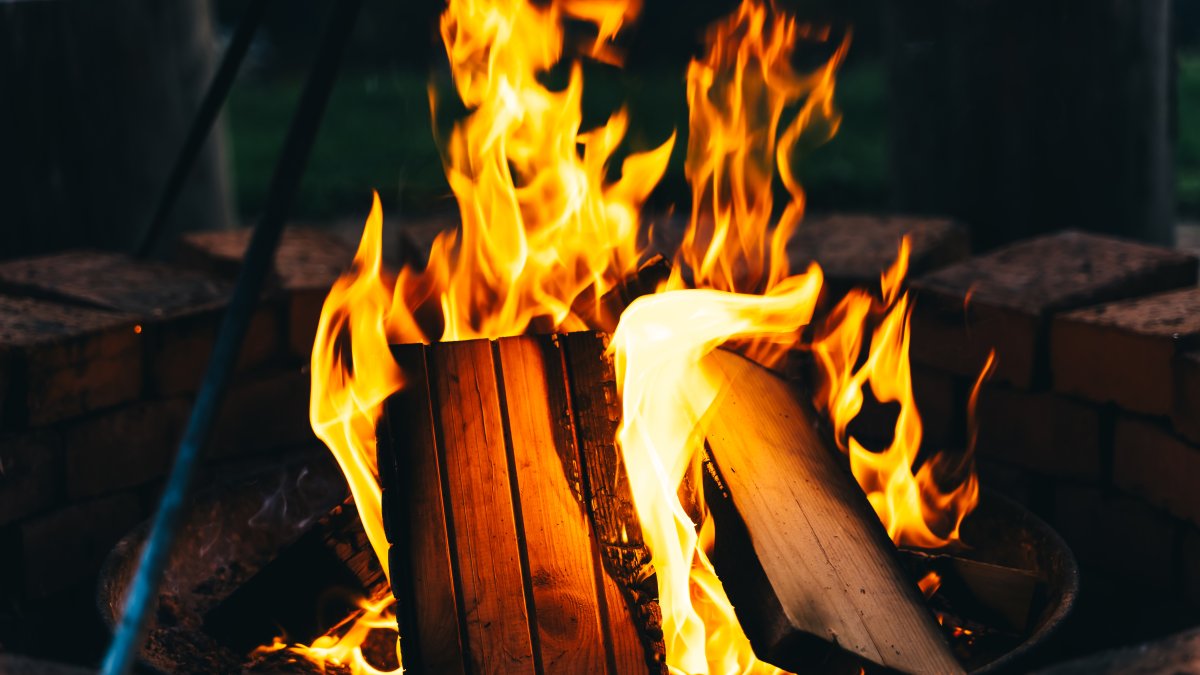
The alert specifically prohibits burning wood, pellets, and manufactured fire logs in any indoor or outdoor wood-burning device. This includes fireplaces, wood stoves, and outdoor fire pits. The use of charcoal is restricted to cooking devices only. The AQMD actively monitors air quality levels and extends or lifts alerts based on real-time data and weather forecasts.
Here’s a fast comparison of what *is* and *isn’t* allowed during a No-Burn Alert:
| allowed | Prohibited |
|---|---|
| Gas fireplaces | Wood fireplaces |
| Electric fireplaces | wood stoves |
| Charcoal for cooking | Charcoal for recreational fires |
| Propane or natural gas heaters | Pellet stoves |
Pro Tip: Check the AQMD website (https://www.aqmd.gov/home/air-quality/air-alerts) *before* planning to use a wood-burning device. Alerts can be issued with little notice.
### Exemptions to the No-Burn Rule: Who is Affected?
The AQMD recognizes that some residents rely on wood as a primary heating source. Thus, certain exemptions apply:
- Sole Source of Heat: Homes where wood is the only heating source are exempt.
- Low-Income Households: Low-income households meeting specific criteria are exempt.
- Lack
Worth a look