South Korea Tightens Airport Security Amidst Concerns Over Celebrity Crowds and ‘Imperial’ Treatment
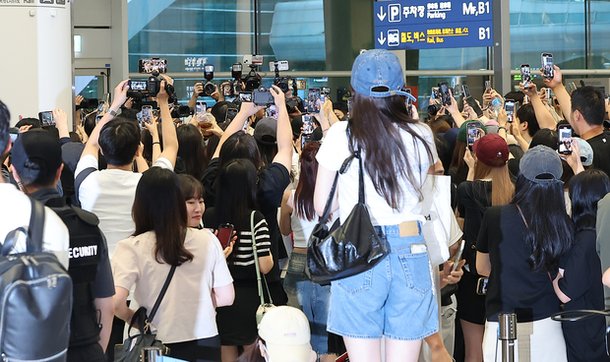
South Korean authorities are moving to address growing public frustration over disruptions at Incheon International Airport caused by large crowds gathering to catch glimpses of celebrities, and concerns over preferential treatment afforded to high-profile individuals. The move follows a series of incidents, most notably involving actor Byeon Woo-seok, that sparked outrage and accusations of unfairness. The government is now formulating a comprehensive plan to manage crowds and ensure equitable access for all travelers, signaling a shift in how it handles the intersection of celebrity culture and public space.
The catalyst for the renewed focus on airport security and celebrity access was a recent controversy surrounding Byeon Woo-seok’s departure from Incheon Airport on July 12, 2024. Reports surfaced alleging that a private security firm hired by the actor had improperly blocked off airport entrances and even checked the passports and boarding passes of other passengers – actions widely condemned as an abuse of privilege. This incident, dubbed “imperial security” by local media, ignited a public outcry, with many questioning why a celebrity should receive special treatment at the expense of other travelers. The situation highlights a broader issue of managing enthusiastic fan bases and ensuring a safe and orderly environment for all airport users.
The Byeon Woo-seok Controversy: A Timeline of Events
The initial reports regarding Byeon Woo-seok’s departure detailed a chaotic scene at Incheon Airport. A private security team, contracted by the actor, allegedly restricted access to certain areas and conducted checks on passengers, leading to significant congestion and inconvenience for others. According to a report by KBS News, the security firm was able to utilize a regulation allowing access to “priority exits” for those affiliated with organizations on the “Incheon International Airport Operation Council,” with approval from the organization’s president. This loophole allowed the actor, who is not considered a person with disabilities, to bypass standard security procedures.
The actor’s agency initially downplayed the incident, stating that the security measures were necessary to manage the overwhelming number of fans. However, this explanation failed to quell the public’s anger. Further scrutiny revealed that the security firm had initially deployed a larger team, but later reduced it to half, a move critics labeled as an attempt to deflect attention from the core issue. As detailed on Namuwiki, this reduction coincided with increased congestion and difficulties in controlling the crowds.
The security firm involved later issued an apology, acknowledging that its actions were inappropriate. Incheon International Airport authorities similarly responded, stating that they were unaware of the specific location where the security measures were implemented – whether it was in Terminal 1 or Terminal 2 – and that they were investigating the matter. The Chosun Ilbo reported that airport officials were caught off guard by the extent of the private security operation.
Government Response and Proposed Changes
In response to the growing public outcry and the Byeon Woo-seok incident, the South Korean government has announced plans to develop a comprehensive safety management plan for crowded areas within airports. This plan will aim to prevent similar disruptions in the future and ensure a more equitable experience for all passengers. The Ministry of Land, Infrastructure and Transport is leading the effort, working with airport authorities and relevant stakeholders to identify and address the root causes of the problem.
While specific details of the plan are still under development, officials have indicated that it will likely include stricter regulations regarding the use of private security firms at airports, clearer guidelines for managing fan gatherings, and improved coordination between airport security and law enforcement. The government is also considering measures to limit the ability of celebrities and their representatives to unilaterally control access to public areas within the airport. The goal is to strike a balance between protecting the safety and security of all passengers and respecting the rights of fans to express their support for their favorite stars.
Addressing the “Priority Exit” Loophole
A key focus of the government’s review is the regulation that allowed Byeon Woo-seok to utilize the “priority exit” designated for individuals with disabilities or those affiliated with organizations on the Incheon International Airport Operation Council. Officials are examining whether this regulation needs to be amended to prevent its misuse and ensure that it is only used by those who are genuinely eligible. The current system, which allows institutional presidents to authorize access for non-eligible individuals, is facing intense scrutiny.
Broader Implications and the Future of Celebrity Access
The controversy surrounding Byeon Woo-seok’s airport departure has sparked a broader debate in South Korea about the privileges afforded to celebrities and the impact of fan culture on public spaces. Many argue that celebrities should not receive special treatment that disadvantages other citizens, and that fan gatherings should be managed in a way that minimizes disruption to airport operations. This incident has also raised questions about the role of private security firms in public areas and the require for greater oversight and accountability.
The government’s response to this issue is being closely watched by both the entertainment industry and the public. While celebrities undoubtedly contribute to South Korea’s cultural influence and economic prosperity, there is a growing consensus that their privileges should not come at the expense of the rights and convenience of other citizens. The implementation of the new airport safety management plan will likely set a precedent for how South Korea manages the intersection of celebrity culture and public space in the future.
The National Human Rights Commission of Korea has also received complaints regarding the incident, alleging that the actions of the security firm constituted a violation of human rights. The commission is currently reviewing the complaints and will determine whether to launch a formal investigation. This adds another layer of scrutiny to the situation and underscores the seriousness of the allegations.
As of March 7, 2026, the government has not yet announced a firm timeline for the implementation of the new airport safety management plan. However, officials have stated that they are working diligently to finalize the details and expect to release a comprehensive plan in the coming months. Further updates will be provided as they become available.
The situation serves as a reminder of the challenges faced by airports and public spaces around the world in managing large crowds and balancing the needs of different stakeholders. As celebrity culture continues to evolve, it is likely that similar issues will arise in other countries, requiring innovative solutions and a commitment to fairness and equity.
Key Takeaways:
- South Korea is responding to public outcry over preferential treatment given to celebrities at Incheon International Airport.
- The controversy stemmed from actor Byeon Woo-seok’s departure, where a private security firm allegedly restricted access for other passengers.
- The government is developing a new safety management plan to address crowd control and ensure equitable access for all travelers.
- The “priority exit” loophole used by the actor’s security team is under review.
What are your thoughts on the balance between celebrity access and public convenience? Share your opinions in the comments below, and please share this article with your network.
Worth a look