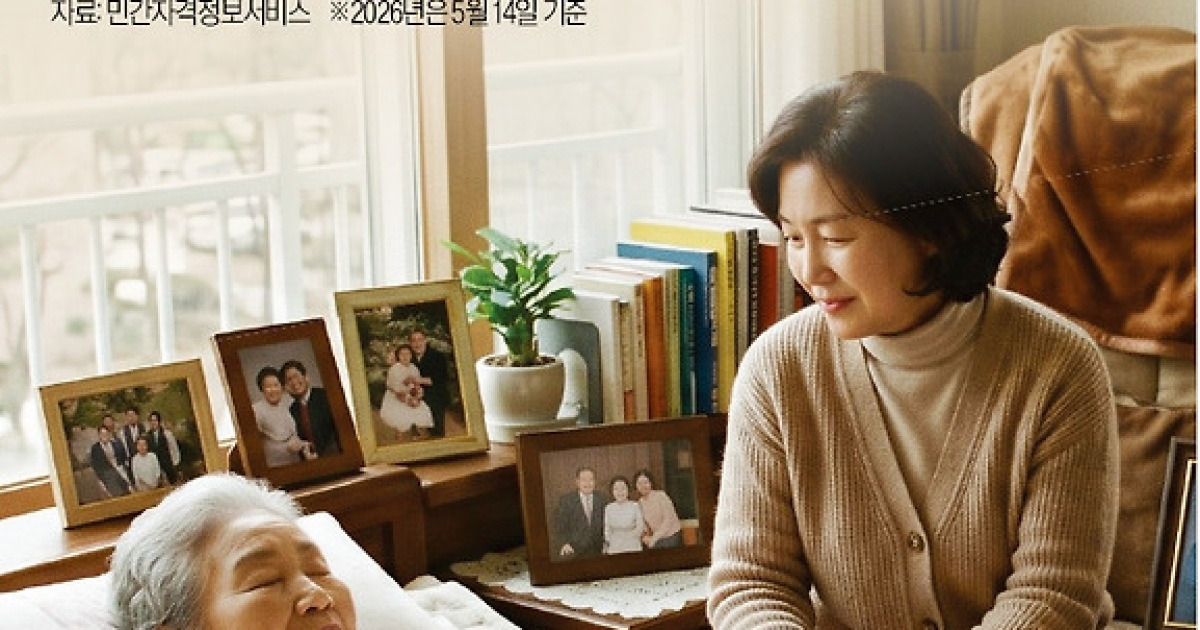
For decades, the final chapter of life for many South Koreans was written within the sterile, white walls of a hospital ward. In a culture where medical intervention is often pursued until the very last moment, the “hospital death” became the default. However, a profound shift is occurring in the peninsula’s approach to mortality. More families are now choosing to bypass the nursing home or the hospice ward in favor of a more intimate setting: the family home.
This transition toward home-based hospice care represents more than just a change in location; it is a fundamental reimagining of dignity at the end of life. As South Korea rapidly transitions into a “super-aged society,” the pressure on the healthcare system is mounting. The move toward home-based palliative care is driven by a combination of patient desire for autonomy, the emotional needs of grieving families and the economic sustainability of the national healthcare budget.
The shift is not without its complexities. Moving the “last scene” of life from a controlled clinical environment to a private residence requires a sophisticated network of mobile medical professionals, stringent policy support, and a cultural shift in how society views the act of dying. For the medical community, the challenge lies in ensuring that “dying at home” does not mean “dying without professional support.”
The Economic Burden of Institutional End-of-Life Care
One of the primary catalysts for the expansion of home-based services is the staggering cost of maintaining high-intensity hospice wards in tertiary hospitals. In South Korea, where the National Health Insurance Service (NHIS) covers a vast majority of medical expenses, the financial burden of long-term institutionalization falls heavily on the state.
The costs associated with maintaining a patient in a high-level general hospital’s hospice unit are significant. When accounting for staffing, facility maintenance, and specialized equipment, the cost to the health insurance system can reach millions of won per patient per month. By shifting the focus to home-based care, the government can reduce these overhead costs while potentially improving the patient’s psychological well-being.
However, the economic argument is not merely about saving money; it is about resource allocation. Tertiary hospitals are designed for acute care and complex interventions. Utilizing these high-cost beds for palliative care—where the goal is comfort rather than cure—creates a bottleneck in the healthcare system, limiting access for patients requiring urgent surgical or medical interventions.
Redefining Dignity: The ‘Well-Dying’ Movement
Parallel to the economic shift is a social phenomenon known as the “Well-Dying” movement. This cultural trend emphasizes the importance of planning one’s own end-of-life care to avoid unnecessary suffering and to ensure that the final days are spent in a meaningful environment.
This movement gained significant legal footing with the implementation of the Act on Decisions on Life-Sustaining Treatment. This legislation allows patients to specify in advance whether they wish to receive life-prolonging treatments—such as ventilators or cardiopulmonary resuscitation—when they are in the process of dying and cannot express their will. By removing the mandate for aggressive intervention, the path to home-based hospice becomes more viable.
For many patients, the ability to see their pets, smell their own home, and be surrounded by family without the restrictions of hospital visiting hours is the ultimate form of dignity. Medical professionals note that patients in home-based care often report higher levels of psychological satisfaction, as they maintain a sense of identity and control that is often stripped away in a clinical setting.
How Home-Based Hospice Functions
Home-based hospice is not simply the absence of a hospital; it is the transplantation of a multidisciplinary clinical team into the home. To be successful, this model relies on a “team approach” involving several key stakeholders:
- Palliative Care Physicians: They manage complex pain and symptoms, adjusting medications to ensure the patient remains comfortable without being overly sedated.
- Specialized Nurses: These professionals provide the primary day-to-day clinical care, managing catheters, wound care, and monitoring vital signs.
- Social Workers: They assist the family in navigating the emotional trauma of end-of-life care and help coordinate government subsidies and support services.
- Chaplains or Spiritual Counselors: They address the existential and spiritual distress that often accompanies terminal illness.
The goal is “symptom management.” Instead of focusing on the disease, the team focuses on the person. This includes treating dyspnea (shortness of breath), nausea, and the profound anxiety that often precedes death. By utilizing mobile health technology and frequent home visits, the medical team can provide a level of care that mimics a ward while allowing the patient to remain in their bedroom.
The Hidden Cost: Caregiver Burden
While the benefits for the patient are clear, the transition to home-based care introduces a significant challenge: the burden on the family. In South Korea, the traditional expectation of filial piety often places the weight of caregiving on the children, particularly daughters and daughters-in-law.
Providing 24-hour care for a terminally ill patient is physically and emotionally exhausting. Without adequate support, “home hospice” can quickly turn into “caregiver burnout.” This often leads to a paradoxical situation where families, despite wanting their loved one at home, are forced to move them back to a nursing home or hospital simply because the family can no longer cope.
To combat this, the Ministry of Health and Welfare has been expanding integrated community care services. These programs aim to provide “respite care,” where professional caregivers step in for short periods to allow family members to rest. However, the supply of trained home-care workers still lags behind the growing demand of an aging population.
Comparison of Care Settings
| Feature | Hospital Hospice Ward | Home-Based Hospice | Nursing Home/Facility |
|---|---|---|---|
| Environment | Clinical, controlled | Personal, familiar | Institutional, shared |
| Medical Access | Immediate, on-site | Scheduled visits/On-call | Limited/External visits |
| Patient Autonomy | Low (Hospital rules) | High (Personal choice) | Moderate (Facility rules) |
| Family Burden | Lower (Medical staff handle care) | Highest (Direct caregiving) | Moderate (Shared with staff) |
| System Cost | Highest (Infrastructure) | Lower (Service-based) | Moderate (Room & Board) |
The Road Ahead: Infrastructure and Integration
For home-based hospice to become a sustainable reality for the majority of South Koreans, several systemic hurdles must be cleared. First is the need for better reimbursement models. Currently, the financial incentives for hospitals often favor inpatient care over outpatient home visits. Shifting the payment structure to reward “outcomes in quality of life” rather than “days in bed” is essential.

Second is the integration of primary care. Local clinics must be better trained in palliative care so that the transition from “curative treatment” to “hospice care” is seamless. Too often, patients are only referred to hospice in their final few days, missing the window where palliative care can truly improve their quality of life.
Finally, there is the need for a broader societal conversation about death. For a long time, discussing death in the home was seen as taboo or “unlucky” in some Korean circles. Normalizing the conversation around the “last scene” of life is as essential as the medical infrastructure itself.
Key Takeaways for Families and Patients
- Early Planning: Discussing end-of-life preferences early—and documenting them via the Life-Sustaining Treatment system—is critical for ensuring a home-based transition.
- Multidisciplinary Support: Home hospice is not “no care”; it is “different care.” Ensure a team of doctors, nurses, and social workers is in place before the transition.
- Caregiver Support: Families should actively seek out respite care and government subsidies to prevent burnout.
- Symptom Management: Modern palliative medicine allows for the effective management of pain at home, removing the need for a hospital stay for most patients.
The evolution of end-of-life care in South Korea reflects a global trend toward humanizing the dying process. By moving the focus from the longevity of life to the quality of the remaining days, the society is learning that the most effective medicine is sometimes simply the comfort of home.
The next major milestone in this transition will be the further expansion of the “Integrated Community Care” pilot programs, which aim to synchronize medical, social, and housing support for the elderly. Official updates on these policy expansions are expected as the Ministry of Health and Welfare continues to refine its long-term care insurance frameworks.
Do you believe the shift toward home-based care is the right direction for aging societies? We invite you to share your thoughts and experiences in the comments below.
- Lyon Signs Defender Bacher from Estoril Ahead of Champions League Clash Against Sparta Prague
- Stay Hydrated: WHO Guidelines on Daily Water Intake to Beat the Heat
- Extremadura Health Service Expands Early Breast Cancer Screening Program (world-today-news.com)
- Real Estate, Insurance and Finance Content Expert (newsdirectory3.com)