
Seoul’s Strategic Pivot: Why the Upcoming Korea-Africa Ministerial Meeting Marks a New Era of Economic Diplomacy
As the global economic landscape undergoes a fundamental realignment, South Korea is signaling a decisive shift in its diplomatic and commercial priorities. In a move that underscores Seoul’s ambition to become a “Global Pivotal State,” the South Korean government is preparing to host its first independently organized Korea-Africa Foreign Ministers’ Meeting in Seoul, scheduled to commence on June 1. This landmark summit represents a significant departure from previous multilateral engagements, marking the first time the Republic of Korea will take the primary helm in hosting such a high-level ministerial dialogue specifically focused on the African continent.
For business leaders and policymakers, this meeting is far more than a routine diplomatic gathering. It’s a strategic maneuver designed to institutionalize the momentum generated by the 2024 Korea-Africa Summit and to secure South Korea’s position within the rapidly evolving economic ecosystems of the Global South. By moving toward independent hosting, Seoul is asserting its role as a proactive architect of bilateral and multilateral relations, rather than a mere participant in forums led by other international organizations.
The implications of this meeting extend deep into the heart of global supply chains, particularly in the sectors of green technology, renewable energy, and advanced manufacturing. As the world races toward decarbonization, the intersection of South Korean technological prowess and Africa’s vast natural wealth is becoming one of the most critical corridors for 21st-century economic security.
A Strategic Shift in Seoul’s Foreign Policy
The decision by the South Korean Ministry of Foreign Affairs to host this meeting independently suggests a desire to create a bespoke diplomatic framework tailored to the specific nuances of Korea-Africa relations. While previous engagements often occurred under the broader umbrella of the African Union or other international bodies, this upcoming summit allows Seoul to set a specific agenda that prioritizes economic security, technology transfer, and sustainable development cooperation.
This shift is a cornerstone of South Korea’s broader foreign policy doctrine, which emphasizes building “partnership-based” relationships with emerging economies. By leading the dialogue, South Korea can more effectively align its domestic industrial strengths—such as its world-class semiconductor, automotive, and battery industries—with the developmental needs and resource availability of African nations. This “win-win” approach is designed to move beyond traditional aid-based models toward a sophisticated framework of mutual economic integration.
Industry analysts suggest that this ministerial-level engagement is intended to provide the political “green light” for subsequent large-scale private sector investments. By stabilizing the diplomatic groundwork, the South Korean government is essentially de-risking the environment for Korean conglomerates—often referred to as chaebols—to expand their footprint across the continent through long-term infrastructure and industrial projects.
The Economic Engine: Critical Minerals and Supply Chain Resilience
Perhaps the most significant driver behind this diplomatic push is the urgent need for mineral security. As the global transition to electric vehicles (EVs) and renewable energy technologies accelerates, the demand for critical minerals has reached unprecedented levels. Africa holds a disproportionate share of the world’s reserves of cobalt, lithium, nickel, and copper—elements that are indispensable to the production of high-capacity batteries and advanced electronics.
For South Korea, a nation heavily dependent on imported raw materials to fuel its export-driven economy, securing stable and diversified access to these resources is a matter of national economic security. The upcoming ministerial meeting is expected to serve as a platform for discussing strategic partnerships in the mining and processing sectors. Rather than focusing solely on extraction, the South Korean government is emphasizing a model of “co-development,” where Korean expertise in refining and high-tech manufacturing is paired with African resource wealth to create value-added industries within Africa.
This approach is particularly vital as global competition for resource control intensifies. By establishing formal, state-backed channels of cooperation, South Korea aims to build a more resilient and transparent supply chain that is less susceptible to the geopolitical volatility often seen in traditional resource markets. The goal is to move from a transactional relationship to a deeply integrated industrial partnership that benefits both the Korean tech sector and African industrialization efforts.
The Consumer Frontier: Tapping into Africa’s Demographic Dividend
Beyond the raw materials, South Korea is looking toward Africa’s burgeoning consumer market. The continent is currently experiencing a massive demographic shift, with a rapidly growing middle class and a young, increasingly urbanized population. This demographic dividend presents a massive opportunity for South Korean consumer brands, particularly in the sectors of telecommunications, digital services, and consumer electronics.
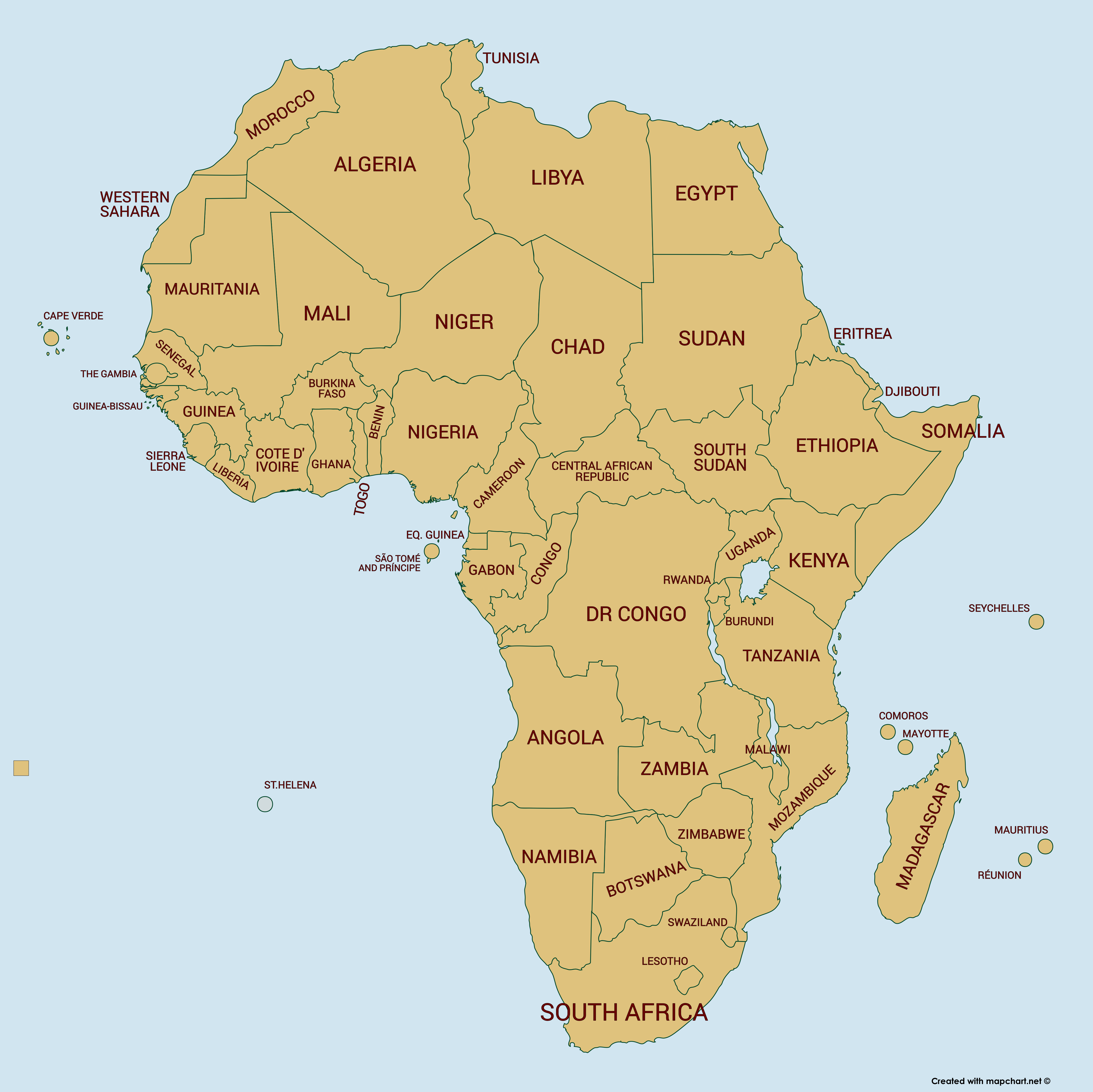
The “K-Brand”—encompassing everything from cosmetics and food to advanced mobile technology—has already gained significant traction in various African markets. The upcoming ministerial meetings are expected to address the regulatory and trade barriers that currently hinder smoother market access. Discussions around the African Continental Free Trade Area (AfCFTA) are likely to be central, as South Korean businesses look to utilize the continent’s unified market to scale their operations more efficiently.
the digital transformation of Africa provides a unique entry point for South Korea’s ICT (Information and Communications Technology) sector. From smart city infrastructure to mobile banking and e-commerce platforms, South Korean expertise in high-speed connectivity and digital governance is highly sought after. By integrating these technologies into African development projects, Seoul is not just selling products. it is helping to build the digital architecture of the continent’s future economy.
Navigating the Geopolitical Landscape
The intensification of Korea-Africa relations does not occur in a vacuum. It takes place against a backdrop of heightened geopolitical competition in Africa, where major powers including China, the United States, and the European Union are all vying for influence. China, in particular, has long maintained a dominant presence in Africa through its massive Belt and Road Initiative, focusing heavily on large-scale infrastructure and resource extraction.
South Korea’s strategy appears to be one of “differentiation.” Rather than competing solely on the scale of infrastructure financing, Seoul is positioning itself as a partner of choice for high-quality, sustainable, and technology-driven development. This “middle power” diplomacy focuses on building trust through transparency, human capital development, and the transfer of high-end technical knowledge. By offering a model of cooperation that emphasizes technological empowerment and industrial sophistication, South Korea seeks to offer African nations a valuable alternative to the more debt-heavy models seen elsewhere.
This diplomatic nuance is critical. As African nations increasingly assert their agency on the global stage, they are seeking partners who respect their sovereignty and contribute to their long-term industrial goals. South Korea’s emphasis on “shared prosperity” aligns well with this growing sentiment, potentially giving Seoul a competitive edge in securing long-term strategic alliances.
Key Strategic Pillars of Korea-Africa Cooperation
| Focus Area | Core Objective | Economic Impact |
|---|---|---|
| Resource Security | Securing stable access to critical minerals (Lithium, Cobalt, Nickel). | Stabilizes EV and battery supply chains for Korean manufacturers. |
| Technology Transfer | Promoting ICT, smart city, and green energy technology. | Creates new markets for Korean tech and digital infrastructure. |
| Market Expansion | Leveraging AfCFTA to increase trade volume. | Expands the reach of K-Brands and consumer goods. |
| Industrialization | Supporting local manufacturing and value-added processing. | Fosters long-term, stable economic partnerships. |
Looking Ahead: The Path to Implementation
While the upcoming ministerial meeting in Seoul is a vital diplomatic milestone, the true measure of success will lie in the implementation phase. The declarations and memorandums of understanding (MoUs) signed during the summit must translate into tangible commercial activities, joint ventures, and infrastructure projects. The South Korean government, via the Ministry of Foreign Affairs, will likely need to work closely with the Ministry of Trade, Industry and Energy (MOTIE) to ensure that diplomatic successes are effectively funneled into industrial reality.

For the private sector, the message is clear: the window of opportunity for strategic engagement with the African continent is opening wider. Companies that can successfully navigate the complexities of African markets—by combining technological innovation with a deep respect for local development needs—will be well-positioned to reap the rewards of this new era of cooperation.
The next major checkpoint to watch will be the release of the official joint communique following the June 1 summit, which will outline the specific bilateral agreements and the roadmap for economic cooperation in the coming years. This document will serve as the definitive guide for investors and industry leaders looking to align their strategies with South Korea’s new Africa-centric economic policy.
What are your thoughts on South Korea’s strategic pivot toward the African continent? Do you believe this “technology-first” approach will provide a competitive edge in the global race for resources? Share your analysis in the comments below and share this article with your network.