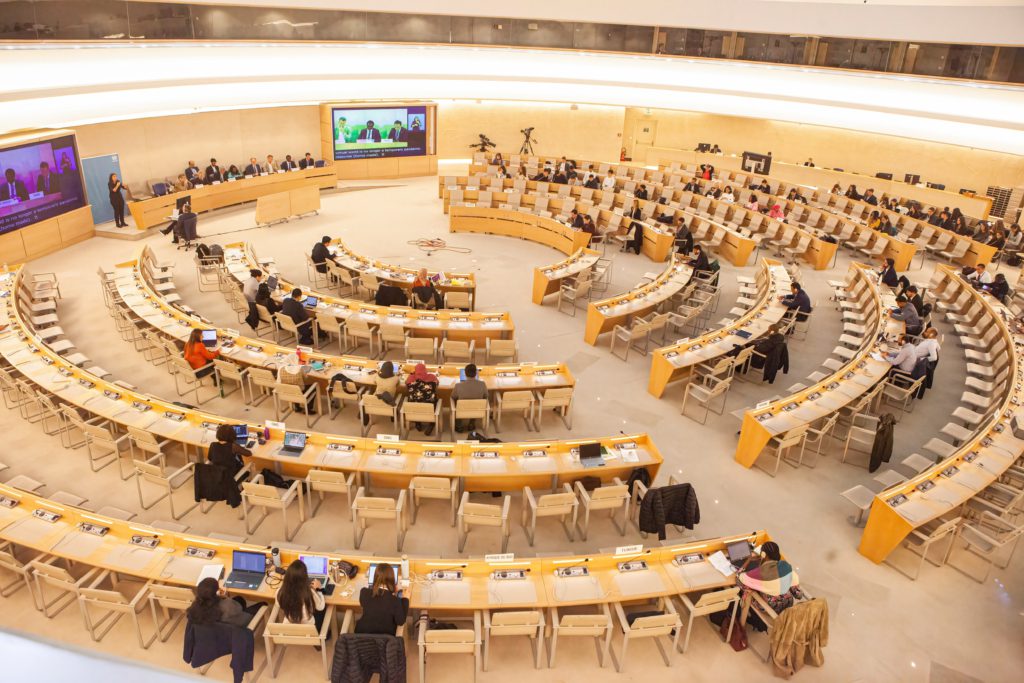
The human rights situation in South Sudan continues to deteriorate, prompting renewed calls for international scrutiny and accountability. A recent report presented to the UN Human Rights Council on February 27, 2026, details ongoing violations of international law, raising concerns about impunity and the vulnerability of civilians. Amnesty International has urged the Council to extend the mandate of the Commission on Human Rights in South Sudan (CHRSS) for at least two years, arguing that the conditions necessitating its establishment in 2016 remain largely unchanged. This comes as the country grapples with persistent conflict and political instability, impacting the safety and well-being of its population.
South Sudan, which gained independence in 2011, has been plagued by internal conflict since December 2013, sparked by political tensions between President Salva Kiir and then-Vice President Riek Machar. The conflict has been characterized by widespread human rights abuses, including killings, sexual violence, displacement, and the recruitment of child soldiers. Despite multiple peace agreements, including a revitalized peace agreement signed in 2018, violence continues to erupt in various parts of the country, hindering progress towards sustainable peace and development. The ongoing instability creates a climate of impunity, where perpetrators of human rights violations are rarely held accountable, exacerbating the cycle of violence.
Report Highlights Grave Violations
The recent report by the CHRSS, presented on February 27, 2026, documents serious violations of both international human rights law and international humanitarian law across several regions of South Sudan, including Upper Nile, Jonglei, Central Equatoria, and Western Equatoria states. The report specifically implicates senior military and political officials in these violations, highlighting a pattern of abuse perpetrated by those in positions of power. Key findings include allegations of airstrikes targeting civilians and indiscriminate bombardments, as well as the forced recruitment of boys and young men into the South Sudan People’s Defence Forces (SSPDF). These actions constitute grave breaches of international law and underscore the urgent need for accountability.
Tigere Chagutah, Amnesty International’s Regional Director for East and Southern Africa, emphasized the severity of the situation, stating that the report “paints a bleak picture of the human rights situation in the country.” Chagutah further noted that the “scale and recurrence of violations are enabled by impunity, implicating all parties to the conflict.”
Speaking at the Human Rights Council on 27 February, Amnesty International called on the Council to extend the mandate of the Commission for at least two years.
Tigere Chagutah, Amnesty International’s Regional Director for ESARO
The organization’s call for a two-year extension of the CHRSS mandate reflects a belief that continued monitoring and investigation are crucial to documenting abuses and identifying those responsible.
The Role of the Commission on Human Rights in South Sudan
The UN Human Rights Council established the Commission on Human Rights in South Sudan (CHRSS) in March 2016, recognizing the gravity of the human rights situation and the need for independent investigation and accountability. The Commission’s mandate is to collect and preserve evidence of alleged gross human rights violations and abuses, clarify responsibility for these crimes, and develop recommendations to prevent future violations. The CHRSS is one of the few states to cooperate with a UN mechanism established to address its human rights situation, a fact that Amnesty International highlights as a positive, though insufficient, step. More information about the CHRSS can be found on the Office of the High Commissioner for Human Rights website.
The Commission’s work is vital in a context where domestic accountability mechanisms are weak or non-existent. The CHRSS provides a crucial avenue for victims of human rights violations to seek justice and redress. Its reports serve as essential documentation for potential future prosecutions, both domestically and internationally. However, the effectiveness of the Commission is contingent upon continued international support and cooperation from the South Sudanese government.
Impunity and the Cycle of Violence
A central challenge in addressing the human rights situation in South Sudan is the pervasive culture of impunity. Perpetrators of abuses, including members of the security forces and armed groups, often operate without fear of prosecution. This lack of accountability emboldens further violations and perpetuates a cycle of violence. The CHRSS report underscores this point, implicating senior officials in abuses, suggesting that impunity extends to the highest levels of power. Amnesty International has consistently documented instances of impunity in South Sudan, calling for targeted sanctions against individuals responsible for serious human rights violations.
Addressing impunity requires a multi-faceted approach, including strengthening the rule of law, establishing independent and impartial judicial mechanisms, and providing support to victims of human rights abuses. International pressure, including targeted sanctions and arms embargoes, can also play a role in deterring future violations. However, the responsibility for ending impunity lies with the South Sudanese government, which must demonstrate a genuine commitment to accountability and justice.
International Response and Future Prospects
The international community has a critical role to play in supporting efforts to improve the human rights situation in South Sudan. In addition to extending the mandate of the CHRSS, the UN Human Rights Council should pass a strong resolution that reflects the worsening situation in the country and signals a willingness to respond to further deterioration. As Chagutah stated, “It is also critical that the Council passes a strong resolution that reflects the worsening situation in South Sudan, making clear that it stands ready to respond to any further deterioration of human rights in the country.”
It is also critical that the Council passes a strong resolution that reflects the worsening situation in South Sudan, making clear that it stands ready to respond to any further deterioration of human rights in the country.
Tigere Chagutah
the UN Security Council should consider renewing the arms embargo on South Sudan, as recommended by Amnesty International, to prevent the flow of weapons that fuel the conflict and contribute to human rights abuses. Continued humanitarian assistance is also essential to address the needs of the millions of South Sudanese who have been affected by the conflict. However, humanitarian aid alone is not enough. a long-term solution requires addressing the root causes of the conflict and promoting sustainable peace and development.
The situation in South Sudan remains deeply concerning. The ongoing violations of human rights, the pervasive impunity, and the lack of progress towards sustainable peace pose significant challenges to the country’s future. Continued international attention and engagement are crucial to supporting the South Sudanese people in their pursuit of justice, accountability, and a peaceful future. The next key development to watch for is the UN Security Council’s review of the arms embargo on South Sudan, scheduled for July 2026.
What are your thoughts on the international community’s role in South Sudan? Share your comments below and help spread awareness by sharing this article.
Worth a look