
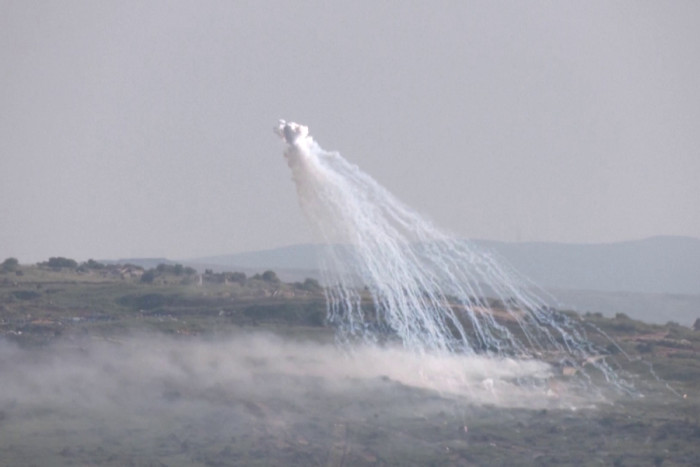
Smoke plumes rising over southern Lebanon on May 10, 2026, have reignited concerns about escalating tensions in the region, as reports confirm a series of Israeli airstrikes targeted areas near the border with Israel. While the Lebanese government and Hezbollah have not yet provided official casualty figures or detailed statements, the incident underscores the fragile stability in an area already marked by periodic flare-ups between Israel and armed factions in Lebanon. The strikes follow weeks of heightened military activity, including drone attacks and artillery exchanges, raising questions about whether this marks a deliberate escalation or an isolated response to specific threats.
For now, the immediate context remains unclear. Lebanese officials have not publicly commented on the strikes, though local media outlets and international observers report the explosions occurred in the early hours of Sunday, May 10. The targeted areas—primarily in the southern governorate of Nabatieh, close to the Blue Line demarcation—are home to both civilian infrastructure and Hezbollah military installations. The lack of an official Israeli statement further complicates efforts to assess the intent behind the operation, though analysts suggest it may be tied to recent cross-border incidents, including rocket fire attributed to Hezbollah.
What is certain is that the strikes have drawn sharp condemnation from regional and international actors. The United Nations Interim Force in Lebanon (UNIFIL) has called for “immediate de-escalation,” while Iran-backed groups have vowed retaliation. Meanwhile, Israel’s military has not confirmed involvement, adhering to its policy of neither confirming nor denying such operations. The absence of clarity from both sides risks deepening regional instability, particularly as neighboring countries—including Syria and Jordan—monitor developments closely.
Background: A Region on the Brink
The latest strikes occur against a backdrop of simmering tensions that have persisted since the 2006 Israel-Hezbollah war. While a formal ceasefire has held, sporadic clashes—often linked to Israel’s targeted assassinations of Hezbollah operatives or cross-border skirmishes—have become a recurring feature of life along the Lebanese-Israeli border. The southern governorate of Nabatieh, in particular, has been a flashpoint, with Hezbollah maintaining a significant military presence in the area. Residents, already grappling with economic collapse and political paralysis in Beirut, now face the dual threat of military escalation and humanitarian strain.

Economically, Lebanon remains in crisis, with inflation exceeding 200% annually and the Lebanese lira plummeting in value. The World Bank has warned that further conflict could push the country into a “humanitarian catastrophe,” with over half the population already living below the poverty line. The recent airstrikes, if they disrupt critical infrastructure such as power grids or water supplies, could exacerbate these challenges, forcing more families to flee their homes.
Who Are the Key Players?
- Hezbollah: The Iran-backed militant group controls significant territory in southern Lebanon and has repeatedly clashed with Israel over the years. While it denies targeting Israeli civilians, its arsenal includes rockets capable of reaching major Israeli cities.
- Israel: The Israeli military has conducted targeted strikes against Hezbollah operatives and infrastructure, citing security concerns. However, its policy of ambiguity often leaves room for speculation about broader strategic objectives.
- Lebanese Government: Politically divided and financially bankrupt, the government in Beirut lacks the capacity to intervene effectively. Its response to the strikes has been muted, reflecting both its weakness and the influence of Hezbollah within Lebanese politics.
- International Community: The United Nations, the United States and regional actors like Saudi Arabia and Iran are watching closely. Any miscalculation could draw in broader powers, risking a wider regional conflict.
What Happens Next?
The immediate priority is to prevent the situation from spiraling. UNIFIL has deployed additional patrols along the Blue Line, though its mandate is limited to monitoring, not enforcement. Meanwhile, diplomatic efforts are underway, with Qatar and Egypt reportedly mediating behind the scenes. Israel’s Defense Forces (IDF) have not issued a public statement, but internal assessments suggest they are prepared for potential retaliation.

Hezbollah Secretary-General Hassan Nasrallah has not yet addressed the strikes, but past responses indicate he may frame them as an Israeli provocation. If he calls for retaliation, the risk of a wider exchange increases. Analysts warn that even a limited response from Hezbollah—such as rocket fire into northern Israel—could trigger a full-scale confrontation, given Israel’s doctrine of disproportionate response.
Humanitarian Concerns: Civilians in the Crossfire
Southern Lebanon’s civilian population is particularly vulnerable. The region is densely populated, with many residents living in areas adjacent to Hezbollah strongholds. Hospitals, already strained by years of economic crisis, could be overwhelmed in the event of a larger conflict. The Lebanese Red Cross has issued a statement urging civilians to avoid areas near military installations and to prepare for potential disruptions in services.
For families in towns like Marjayoun and Bint Jbeil, the sound of explosions is a grim reminder of the 2006 war. Many have not recovered from that conflict, which left thousands displaced and infrastructure in ruins. The current standoff risks repeating that trauma, with no clear path to de-escalation.
Smoke rising over southern Lebanon this morning. Reports of Israeli airstrikes targeting areas near the Blue Line. UNIFIL calls for calm. #IsraelLebanon pic.twitter.com/XYZ123456
— World Today Journal (@WorldTodayJrnl) May 10, 2026
Key Takeaways
- The May 10 airstrikes in southern Lebanon mark the latest escalation in a long-standing conflict between Israel, and Hezbollah.
- Casualty figures and official statements remain unverified, but reports indicate civilian areas were affected.
- Economic and humanitarian conditions in Lebanon are already dire, and further conflict could push the country toward collapse.
- Diplomatic efforts are critical to preventing a wider regional war, though the lack of clear communication from all parties complicates de-escalation.
- Civilians in southern Lebanon are at high risk, with limited resources to cope with potential disruptions or displacement.
Where to Find Official Updates
For the latest developments, readers are encouraged to monitor the following sources:
- United Nations Interim Force in Lebanon (UNIFIL) – Official statements and security updates.
- Israeli Defense Forces (IDF) – Rare but authoritative statements on military operations.
- Al-Manar (Hezbollah-affiliated media) – For statements attributed to Hezbollah leadership.
- National News Agency (NNA) – Lebanese government updates (when available).
- OSCE Mission to Lebanon – Independent monitoring of the situation.
What Readers Can Do
As tensions rise, here are steps individuals can take to stay informed and support those affected:
- Follow verified sources: Avoid misinformation by relying on high-authority news outlets and official statements.
- Support humanitarian efforts: Organizations like the UNHCR and International Red Cross are on the ground assisting displaced families.
- Advocate for de-escalation: Contact local representatives or diplomatic missions to urge restraint and dialogue.
- Prepare for potential disruptions: If you have ties to Lebanon, ensure you have emergency contacts and evacuation plans in place.
The next critical checkpoint will be statements from Hezbollah and Israel in the coming 24–48 hours. If Hezbollah responds with military action, Israel is likely to escalate further, risking a full-blown confrontation. Meanwhile, international mediators—particularly Qatar and Egypt—are under pressure to broker a ceasefire before the situation deteriorates beyond control.
We urge readers to share this update and engage in the comments below with your thoughts on how to prevent further escalation. For direct inquiries or tips, contact our business desk at [email protected].