Airliner Windscreen Strike: What we certainly know About the United airlines Incident
A United Airlines flight from denver to Los Angeles experienced a startling incident on Thursday, October 17th, 2025. The aircraft’s windscreen was struck by an object mid-flight over Utah, prompting an emergency diversion to Salt Lake City International airport. This event has sparked investigations and raised questions about aviation safety. Here’s a thorough look at what happened, what’s being done, and what it means for you as a traveler.
What Happened on United Flight?
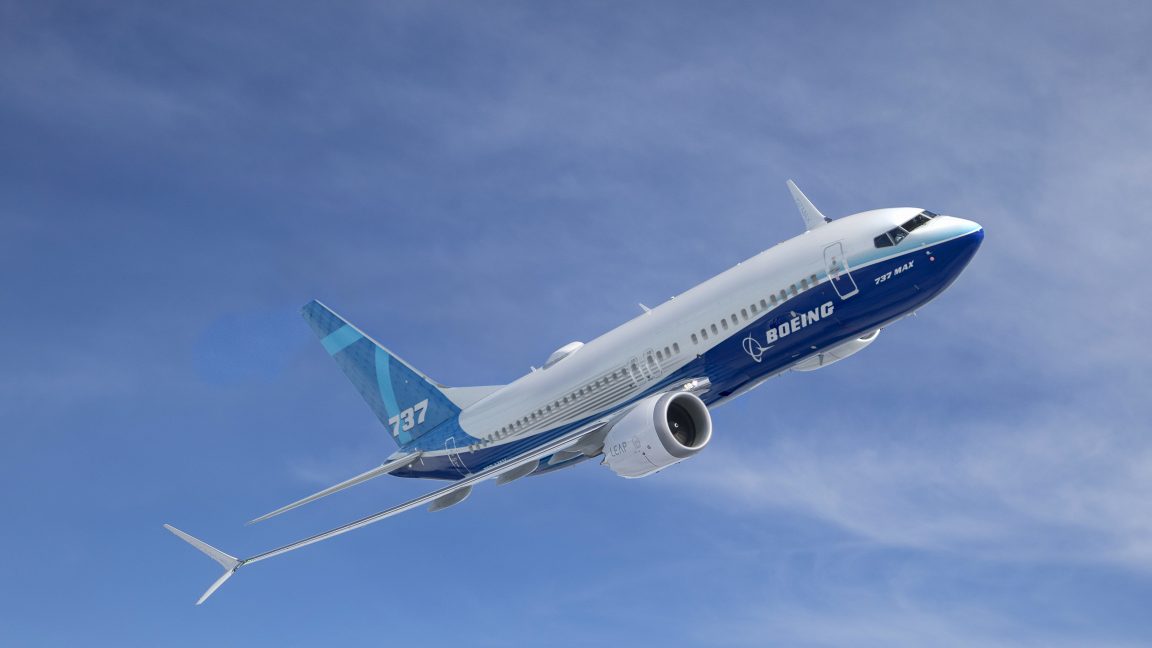
The incident occured while the 737 MAX aircraft was cruising at approximately 36,000 feet. The captain reported being hit by what was initially described as “space debris.” However, the origin of the object remains unconfirmed as of Sunday, October 19th, 2025.
Images circulating on social media reveal a significant crack in one of the two large windows at the front of the aircraft. Disturbingly, photos also show a pilot’s arm with multiple cuts, likely from small shards of glass. Fortunately, the multi-layered construction of modern aircraft windows prevented complete shattering.
* The aircraft maintained cabin pressure throughout the incident.
* The impact caused damage not only to the window itself but also to the surrounding metal frame.
* The flight landed safely in Salt Lake city, and passengers were accommodated on option flights.
The Inquiry Underway
The National Transportation Safety Board (NTSB) is actively investigating the incident. They are gathering crucial data to determine the cause and prevent similar occurrences.
Currently, the NTSB is:
* Analyzing radar data to track potential objects in the flight path.
* Reviewing weather conditions at the time of the incident.
* Examining the flight recorder data for any relevant details.
* sending the damaged windscreen to NTSB laboratories for detailed forensic analysis.
You can follow updates from the NTSB directly on their X (formerly Twitter) feed: https://x.com/ntsb_newsroom/status/1979962245703483461?s=43.
Is Space Debris to Blame?
While the initial report suggested “space debris,” this remains speculation. The possibility highlights the growing concern of orbital debris and its potential impact on air travel.
Here’s what you should know about space debris:
* What is it? It includes defunct satellites, rocket parts, and fragments from collisions in orbit.
* the Risk: While the risk of impact is low,its increasing as more objects are launched into space.
* Tracking Efforts: Agencies like NASA and the U.S. Space Force actively track larger pieces of debris. However,smaller fragments are difficult to monitor.
The NTSB investigation will determine if space debris was indeed the source of the object that struck the United Airlines flight. Other possibilities, such as bird strikes or other airborne objects, are also being considered.
Aviation Safety & Windscreen Design
Modern aircraft are designed with robust safety features, including multi-layered windscreens. These windows are engineered to withstand significant impacts and maintain cabin pressure.
Here’s a breakdown of how aircraft windscreens work:
- Multiple Layers: Aircraft windows consist of multiple layers of acrylic or polycarbonate material.
- laminate Interlayer: A layer of laminate is sandwiched between the layers,providing additional strength and preventing shattering.
- Pressure Seal: The window is securely sealed to the aircraft frame to maintain cabin pressure.
Despite these safety measures, incidents like this underscore the importance of continuous monitoring and improvement in aviation safety protocols.
Evergreen Insights: The Future of Aviation Safety
The incident with the United Airlines flight serves as a crucial reminder of the evolving challenges facing aviation safety. As space travel and satellite deployment increase, the risk of orbital debris impacting aircraft will likely grow.
Looking ahead, several key areas require attention:
* Enhanced Debris Tracking: Investing in more sophisticated tracking