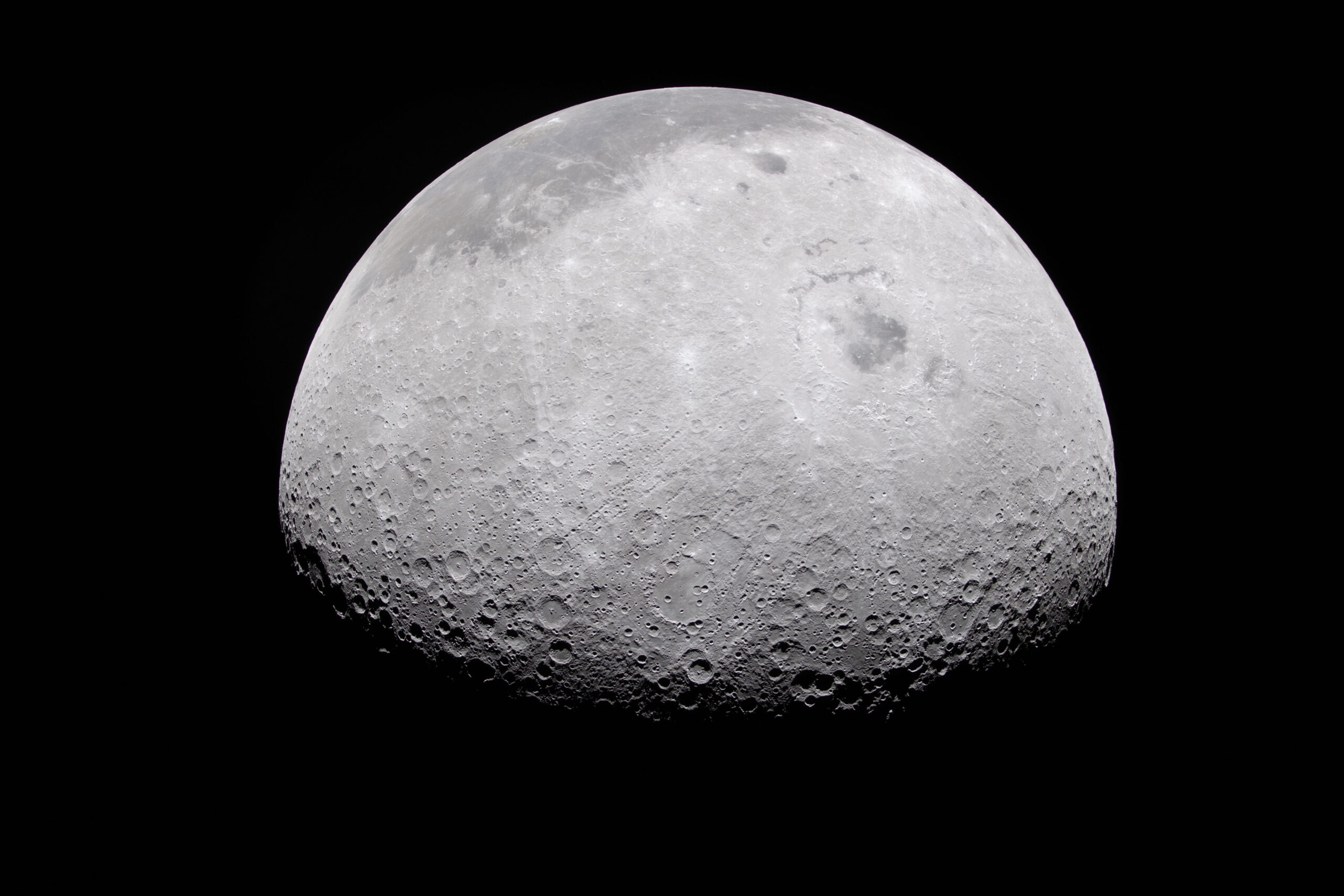
A discarded upper stage of a SpaceX Falcon 9 rocket hit the moon at approximately 2:35 a.m. EDT on Wednesday, Aug. 5, 2026, according to Forbes. The 45-foot (13.8-meter) object, weighing more than 8,800 pounds, struck the lunar surface at roughly 5,400 miles per hour after spending almost seven months drifting through space, according to reports from scientificamerican.com and Forbes.
SpaceX Falcon 9 Upper Stage Strikes the Moon
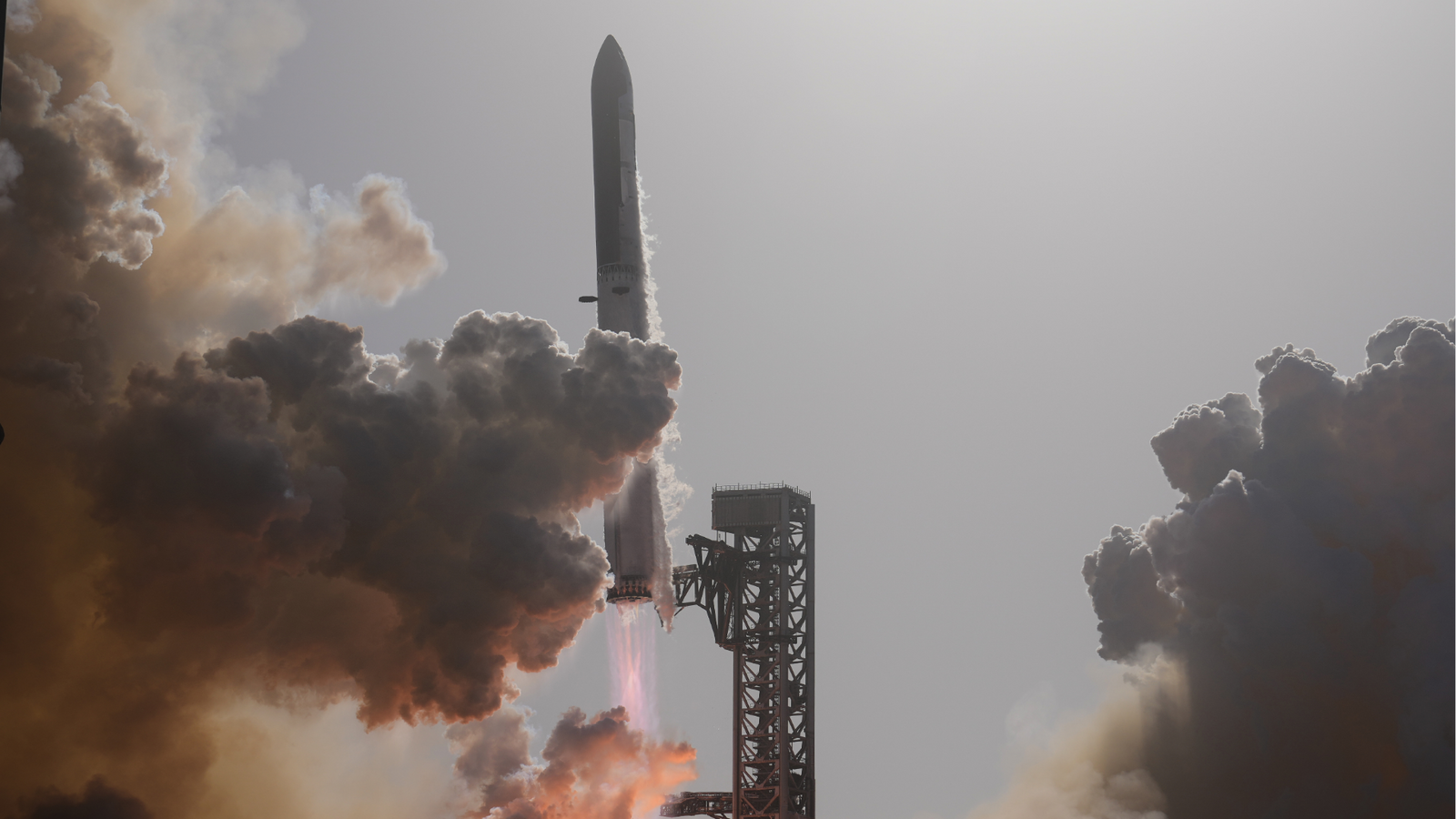
The rocket stage originally launched on Jan. 15, 2025, deploying Firefly Aerospace’s Blue Ghost 1 lunar lander and Japanese company ispace’s Resilience lunar lander, which was part of the HAKUTO-R Program, under NASA’s Commercial Lunar Payload Services initiative, as detailed by NASA. While the upper stage was originally supposed to fall back to Earth and burn up in the atmosphere, the lunar mission required more energy than missions closer to Earth, leaving the school bus-sized, roughly 4-tonne stage in an Earth orbit at a similar distance to the Moon, according to Livemint. Julianna Scheiman, SpaceX’s Director of NASA Science and Dragon Programs, stated that solar activity and gravitational forces gradually altered its orbit and placed the uncontrolled stage on a collision course. Independent astronomers first identified the trajectory using publicly available data, and NASA’s Center for Near Earth Object Studies confirmed a 100% chance of impact.
Scientific Opportunities and Observations
Although the impact was unplanned, planetary scientists viewed the collision as a rare, controlled experiment because researchers already knew the rocket’s exact size, speed, and point of impact, as reported by the BBC. The impact is expected to create a crater about 60 feet wide and 12 feet deep, throwing dust and rock outward as ejecta.

NASA, the Meteoroid Environments Office at the agency’s Marshall Space Flight Center, and ground-based telescopes tracked the event. Additionally, NASA’s Lunar Reconnaissance Orbiter and South Korea’s Korea Pathfinder Lunar Orbiter instrument, ShadowCam, planned to look for opportunities to image the site. Scientists anticipate that analyzing how ejecta plumes behave will provide valuable insight into the Moon’s geology, help engineers design safer landers and future moon bases, and refine models for future exploration missions. NASA Administrator Jared Isaacman noted that such impacts are infrequent and posed no danger to Earth.
Growing Concerns Over Lunar Space Debris
The collision adds to the growing amount of human-made debris scattered across the lunar surface. According to the BBC and Forbes, there are now approximately 3,000 human-made objects on the Moon weighing a combined 209 tons, while space surveillance networks track roughly 35,000 total objects.
This accumulation includes spent rocket stages, spacecraft, scientific instruments, and mission debris left behind since the Soviet Union’s Luna 2 reached the lunar surface in 1959, as well as remnants from NASA’s Apollo 11, 12, 14, 15, 16, and 17 missions. With government space agencies and commercial companies planning more than 100 lunar missions over the coming decade alongside new moonbase plans from NASA, tracking errant hardware and establishing responsible disposal practices have taken on greater urgency to safeguard planetary bodies.
Worth a look
- Interpol Report Shows AI Drives Cybercrime As South Africa Faces Heavy Attacks
- Redmi Note 17 5G India Launch: Price, Specs, and Release Date
- U.S. stock futures rise after record Wall St close; SpaceX, AMD dip post earnings (archyde.com)
- SpaceX Rocket Stage to Hit Moon at 5,400 MPH in Unplanned Collision (time.news)