
The global aerospace and technology sectors are watching closely as speculation mounts regarding the potential initial public offering (IPO) of SpaceX. As a journalist who has spent over a decade covering the intersection of high-stakes industry, sports, and human ambition, I find the prospect of the company’s transition to public markets to be one of the most significant potential shifts in the modern economic landscape. While the company remains a private entity, the conversation around a future SpaceX IPO continues to spark intense debate among market analysts and space enthusiasts alike.
Space Exploration Technologies Corp., commonly known as SpaceX, has fundamentally altered the trajectory of orbital transport and satellite communications since its founding in 2002. Under the leadership of Elon Musk, who serves as CEO, chairman, and CTO, the organization has moved from a disruptive startup to a cornerstone of the American aerospace infrastructure. With a headquarters based at Starbase, Texas, the company continues to push the boundaries of launch vehicle technology, including the development of the Dragon capsules and the Starlink megaconstellation, which aims to provide internet access to remote locations globally.
Understanding the SpaceX Market Position
To grasp the significance of a potential IPO, one must look at the company’s current standing. As of 2025, the organization reported revenue of US$18.7 billion, despite facing a net income of US$(4.9) billion during the same period. The company maintains a significant workforce of over 13,000 employees, reflecting its massive operational scale across multiple divisions, including Starshield and xAI. These figures, sourced from recent financial disclosures, underscore the massive capital requirements inherent in the aerospace industry, where the development of reusable rockets and advanced spacecraft requires sustained, high-level investment.
The company’s governance structure remains distinct, with Elon Musk holding 42% equity and 79% voting control. This concentration of power is a critical factor for prospective investors to consider. When a company of this magnitude—with total assets valued at US$92.1 billion—enters the public market, it does not merely represent a stock listing; it signifies the commodification of the space economy on a global scale. Market observers frequently note that the company’s valuation could eventually place it among the top-tier corporations in the United States, though the timing and structure of such a move remain subjects of intense, unverified speculation.
The Technological and Strategic Landscape
The interest in a potential SpaceX market debut is not occurring in a vacuum. The company’s activities are wide-ranging, from the consistent deployment of Starlink satellites to the ongoing testing of the Starship vehicle. These missions serve as the backbone of the company’s value proposition. For instance, the U.S. Space Force has recently engaged the firm in high-value contracts, including a $4.16 billion award to assist the military in tracking airborne targets using satellite technology. Such partnerships illustrate that the company’s utility extends far beyond commercial internet services, reaching into the core of national security and defense strategies.
the competitive nature of the industry is intensifying. The emergence of new players and the continued development of launch vehicles by various entities mean that SpaceX must maintain its technological lead to justify its premium valuation. The company’s ability to successfully execute complex missions—such as delivering Commercial Resupply Services missions to the International Space Station—has set a standard that competitors are now striving to meet. This pressure to innovate is perhaps the strongest argument for why an IPO might be considered: the need for broader access to capital to fund the next generation of space exploration and infrastructure.
What Investors and Observers Should Know
For the average reader or potential investor, it is essential to distinguish between official company communications and market rumors. As of June 5, 2026, SpaceX has not issued a definitive timeline for an IPO. The company operates as a private entity, and strategic decisions regarding capital structure are typically managed through private equity rounds and internal board decisions. The allure of the “space economy” often leads to enthusiastic projections, but as with any investment, prudence is required.
Key Factors Influencing the Narrative
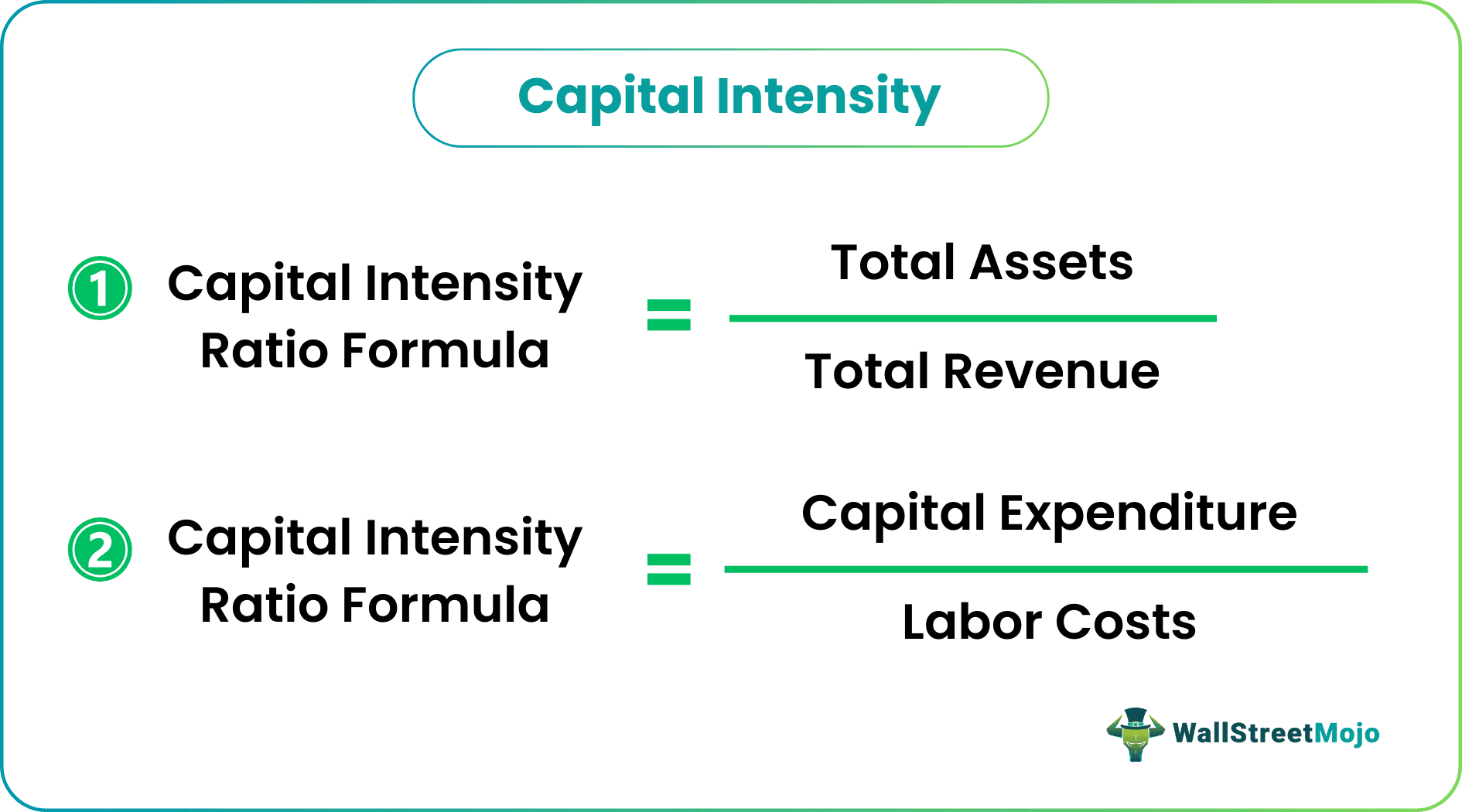
- Capital Intensity: The aerospace sector requires massive, long-term capital commitments, which often necessitates shifting from private to public funding models.
- Governance and Control: Potential investors must evaluate the impact of highly concentrated voting power, which is a hallmark of the current ownership structure.
- Diversified Revenue Streams: The company’s portfolio—ranging from Starlink to government defense contracts—provides a complex risk-reward profile that differs from traditional aerospace manufacturers.
- Regulatory Oversight: As seen with recent interactions involving the Federal Aviation Administration regarding vehicle flight status, the path to orbit is heavily regulated and subject to rigorous safety and environmental investigations.
When considering the future of the company, one should look to official channels for updates. The official SpaceX website remains the primary source for verified information regarding launch schedules, mission outcomes, and corporate milestones. As someone who has covered the evolution of industries for over thirteen years, I have learned that the most reliable insights come from monitoring official filings and direct statements rather than the noise of speculative markets.
The next major milestone for the broader space community involves the upcoming announcement of the crew for the Artemis 3 docking mission, which is scheduled for disclosure by NASA on June 9. While this is a separate endeavor from SpaceX’s corporate activities, it highlights the momentum currently building within the global aerospace sector. I invite our readers to share their thoughts on the evolution of the space economy in the comments section below. How do you view the role of private enterprise in the future of space exploration?
Worth a look
- Medicare Part D Premiums May Rise in 2027 as Federal Subsidies End
- Heroic Rescue After Severe Head-On Collision Near Hurbanovo, Slovakia
- Spy Shots: Ferrari 12Cilindr, BMW i4 Convertible and Range Rover Sport – Specialty Equipment Market (archyde.com)
- Gold Prices React to Fed Rate Decision and Market Volatility (newsdirectory3.com)