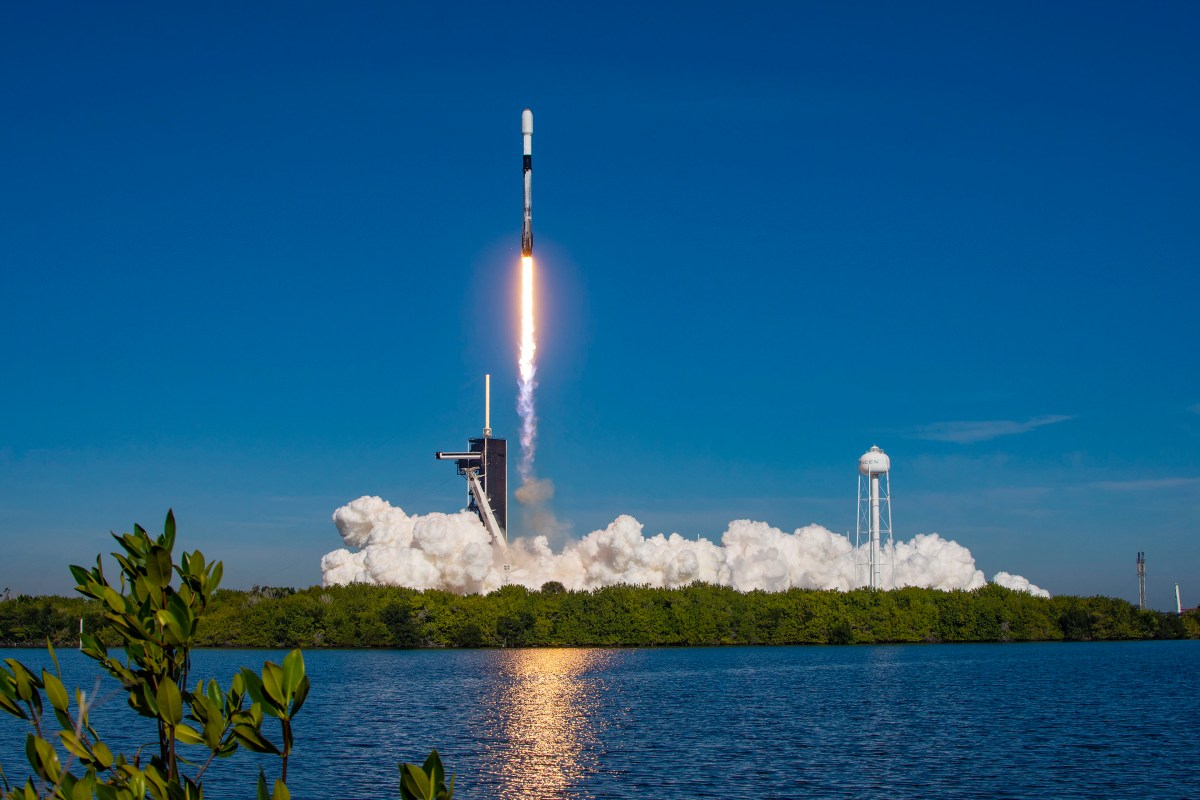
the landscape of global internet access is poised for a significant expansion as the Federal Communications Commission (FCC) recently authorized SpaceX to deploy an additional 7,500 second-generation Starlink satellites. This brings the total approved satellite count to 15,000, promising wider and more reliable connectivity across the globe. As of January 11, 2026, this decision marks a pivotal moment in the evolution of satellite internet, and understanding its implications is crucial for anyone interested in the future of communication.
Expanding the Starlink Constellation: What You Need to Know
This isn’t simply about adding more satellites to the sky. The FCC’s approval allows Starlink to operate across a broader range of five distinct frequencies. Moreover, it paves the way for a groundbreaking capability: direct-to-cell connectivity. This means your smartphone could connect directly to a Starlink satellite, offering service even in areas with no conventional cell towers. I’ve found that this is particularly exciting for remote regions and emergency situations where terrestrial networks are unavailable.
Initially, SpaceX requested authorization for a total of 15,000 satellites, but the FCC has opted for a phased approach. While 7,500 satellites have been promptly approved, the agency is “deferring authorization” for the remaining 14,988 proposed Gen2 Starlink satellites. this measured strategy allows the FCC to assess the performance and impact of the initial deployment before committing to the full constellation.
SpaceX is now bound by specific launch deadlines. They must have 50% of the approved satellites operational by December 1, 2028, and the complete deployment must be finalized by December 2031. These timelines demonstrate a commitment to rapid expansion while ensuring responsible implementation.
Did you know? The number of satellites in orbit has increased dramatically in recent years. As of late 2023, there were over 8,000 active satellites orbiting Earth, a number expected to grow exponentially with projects like Starlink.
The implications of Direct-to-Cell connectivity
The direct-to-cell capability is a game-changer. Imagine being able to send a text message or make an emergency call from a national park with no cell service, or from a remote location after a natural disaster. This technology has the potential to save lives and bridge the digital divide. According to a recent report by the GSMA,over 750 million people worldwide still lack basic mobile connectivity,and satellite solutions like Starlink could play a vital role in reaching these underserved populations.
However, it’s important to acknowledge potential challenges. Concerns have been raised about light pollution from large satellite constellations and the risk of collisions in orbit. The FCC is actively working with SpaceX and other satellite operators to mitigate these risks through improved tracking and debris mitigation strategies.
Pro Tip: Keep an eye on Starlink’s coverage map, which is regularly updated to show areas with available service. you can find it on the SpaceX website.
Here’s a fast comparison of key aspects of the recent FCC approval:
| Feature | Details |
|---|---|
| Approved Satellites | 7,500 (Gen2) |
| Total Approved | 15,000 |
| Frequencies | Five distinct frequencies |
| Key Capability | Direct-to-cell connectivity |
| Launch Deadline (50%) | December 1, 2028 |
| Full Deployment Deadline | December 2031 |
As the rollout progresses, we can expect to see further innovation in satellite technology and a continued push to connect the unconnected.The future of Starlink, and satellite internet as a whole, looks incredibly promising.
What are your thoughts on the expansion of satellite internet? Share your comments below!
This expansion of satellite internet access is a significant step towards a more connected world. The ability to provide high-speed internet to remote areas and offer direct-to-cell communication will undoubtedly have a profound impact on communities and individuals alike. Understanding the nuances of this technology and its potential benefits is crucial as we move forward. The ongoing development of spacex’s Starlink constellation represents a major advancement in global connectivity.