
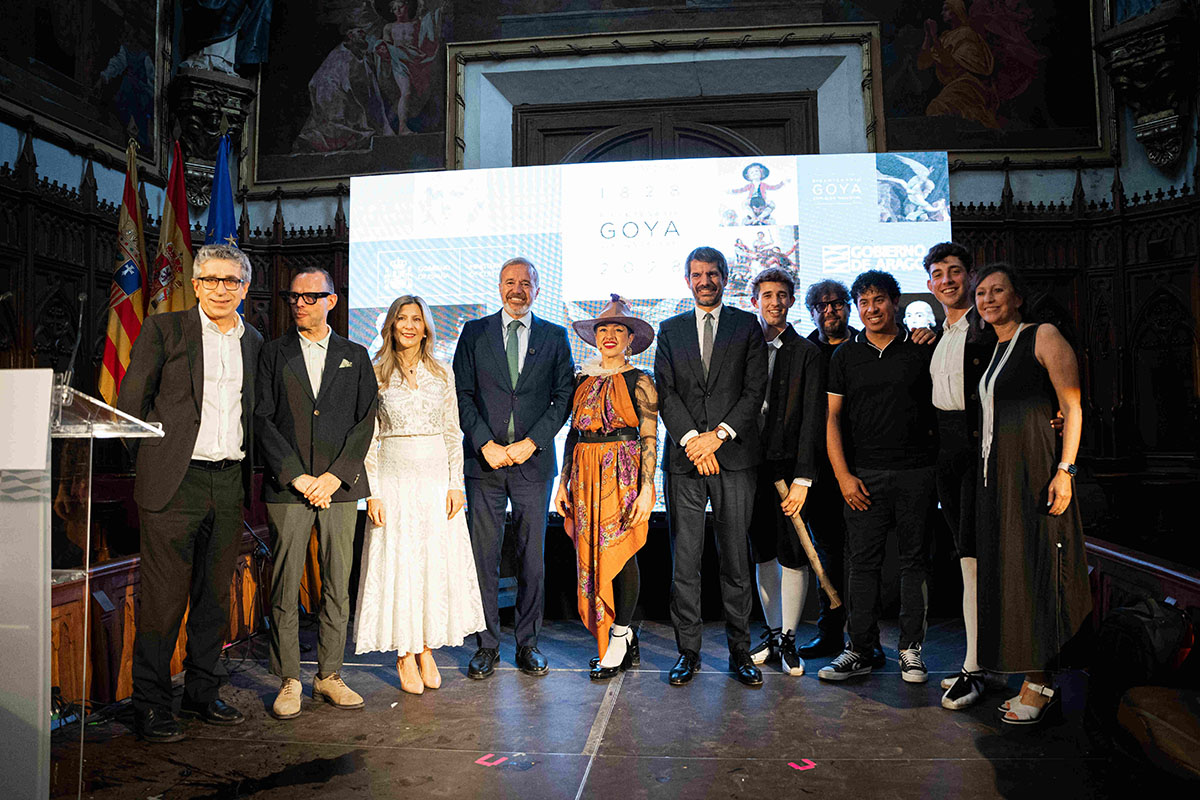
The cultural landscape of Spain is preparing for a monumental commemoration as the nation turns its attention toward 2028, marking the bicentenary of the passing of Francisco de Goya y Lucientes. As a journalist who has spent over a decade documenting the intersection of history, culture, and national identity, I find the designation of the Goya Bicentenary as a “State Project” to be a significant commitment to preserving the legacy of one of the world’s most influential romantic painters.
Francisco de Goya, who died in exile in Bordeaux on April 16, 1828, remains a towering figure in Western art. His evolution from court painter to the creator of the haunting “Black Paintings” offers a profound reflection on the human condition, war, and social upheaval. The Spanish government’s announcement, which positions the 2028 commemoration under the honorary presidency of the King and Queen, signals an intent to elevate Goya’s work beyond mere museum displays, transforming the anniversary into a comprehensive national and international dialogue about his enduring relevance.
A National Strategy for a Global Master
The classification of the Goya Bicentenary as a “Project of State” is not merely symbolic. According to official communications from the Spanish Government (La Moncloa), this designation ensures high-level institutional coordination across various ministries and cultural entities. By prioritizing the bicentenary, the state aims to leverage public-private partnerships to facilitate research, restoration projects, and large-scale exhibitions that will likely draw scholars and art enthusiasts from across the globe.
For those of us who follow the cultural beat, the focus on Goya is timely. His ability to capture the psychological depth of his subjects—and the dark, surrealist undertones of his later work—prefigured modern art movements in a way that few of his contemporaries did. The “Goya Year 2028” initiative is expected to mobilize the Ministry of Culture to ensure that both his masterpieces and his lesser-known etchings receive the scholarly attention they deserve.
Key Exhibitions and Cultural Milestones
While the full itinerary is still in the planning stages, preliminary reports indicate that the Prado Museum in Madrid will serve as the heartbeat of the celebration. The museum is expected to host a major exhibition tentatively titled “Goya and Religion,” which will explore the complex relationship between the artist’s personal beliefs and the ecclesiastical mandates of the era. This exhibition is widely anticipated to be the central pillar of the bicentennial program, providing a lens through which to view Goya’s religious commissions and his more critical, private observations on faith and superstition.
Beyond Madrid, the city of Zaragoza—Goya’s birthplace—will play a pivotal role. Known for its deep historical connection to the artist, the city is planning a series of immersive exhibitions. These displays aim to utilize modern technology to bring the viewer into the world of the 18th and 19th centuries, bridging the gap between historical art and contemporary digital storytelling. Visitors can expect a multi-faceted approach that includes educational outreach, academic symposiums, and temporary galleries dedicated to the artist’s influence on subsequent generations of painters.
Why Goya Matters in 2028
Why dedicate a state-led effort to an artist who died two centuries ago? The answer lies in Goya’s uncanny ability to speak to the present. His “Disasters of War” series, for instance, remains a harrowing and universal indictment of violence, while his royal portraits continue to be studied for their subtle, often biting, psychological insight. In an era where visual media defines our understanding of global conflict and social change, Goya’s work serves as a foundational text.

The upcoming bicentenary represents more than just a retrospective; it is an opportunity for cultural diplomacy. By positioning Goya as a global icon of the Spanish enlightenment and its subsequent shadows, Spain is reinforcing its status as a central pillar of European art history. For international travelers and art historians, 2028 will serve as a “Goya Year,” with the Prado, the Goya Museum in Zaragoza, and various regional institutions coordinating their efforts to create a cohesive narrative of his life and career.
Looking Ahead: The Path to 2028
As we look toward the start of these commemorations, the institutional groundwork is already being laid. The next major milestone will be the formalization of the executive commission, which will oversee the budget and the specific programming for the bicentennial year. We expect further announcements from the Prado Museum regarding loans, international collaborations, and the specific curatorial direction of the “Goya and Religion” exhibition in the coming months.

For those interested in following the progress of these preparations, I recommend monitoring the official bulletins from the Spanish Ministry of Culture. As the editor of this section, I will continue to track the developments of this monumental project, providing updates as they become available. The legacy of Francisco de Goya is a living history, and the 2028 bicentenary promises to be an essential chapter in the ongoing study of his genius.
What are your thoughts on how the art world should commemorate such a significant milestone? We invite you to join the conversation in the comments section below and share this article with fellow art enthusiasts.