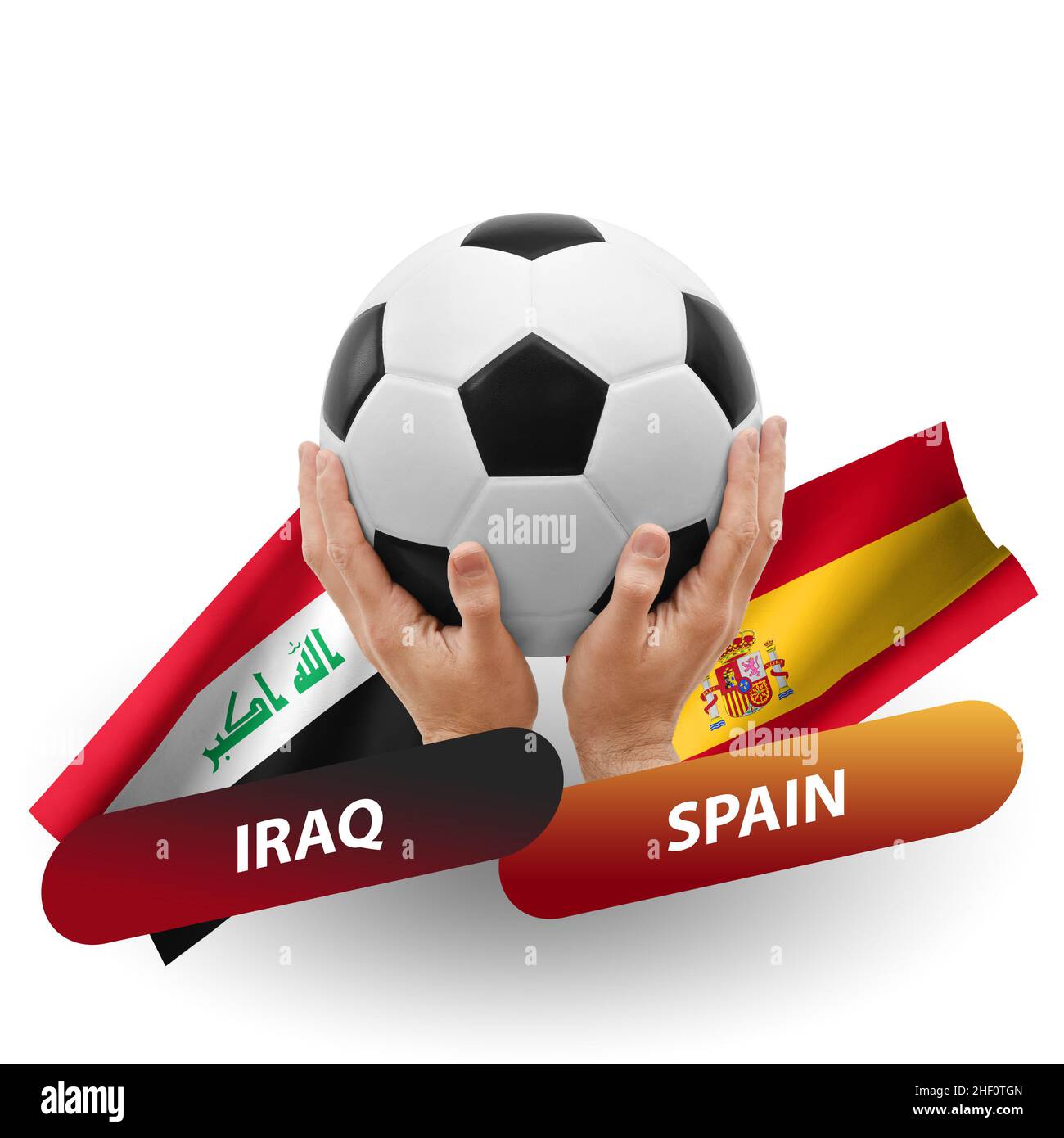
A CORUÑA, Spain — In a result that has sent ripples through the international football community, the Spanish national team, widely regarded as a primary contender for the 2026 FIFA World Cup, was held to a surprising 1-1 draw by a resilient Iraqi side. The match, held at the Estadio de Riazor, served as a high-stakes litmus test for Spain’s preparation as they begin their journey toward the North American tournament.
The encounter in A Coruña proved to be far more than a mere exhibition. While Spain entered the pitch with the tactical expectation of dominance, they were met with a disciplined and high-intensity performance from Iraq, a team that demonstrated remarkable tactical cohesion and physical tenacity throughout the ninety minutes. The stalemate at Riazor has prompted immediate discussions regarding the evolving landscape of international football and the unpredictable nature of tournament preparation.
For Spain, the draw represents a moment of introspection. As head coach Luis de la Fuente continues to refine his squad for the upcoming World Cup cycle, the match highlighted both the technical brilliance of his side and the vulnerabilities that can be exploited by teams possessing exceptional work rates and defensive organization. For Iraq, the performance stands as a significant statement of intent on the global stage.
A Battle of Wills at Riazor
The atmosphere at the Estadio de Riazor was electric, with fans witnessing a match characterized by intense physical duels and rapid transitions. From the opening whistle, Iraq did not adopt a purely defensive posture; instead, they engaged Spain in a midfield battle that frequently disrupted the rhythmic, possession-based style for which the Spanish “La Roja” is renowned.
The 1-1 scoreline reflected the ebb and flow of a contest where neither side was willing to concede ground. Spain’s ability to control large periods of possession was frequently countered by Iraq’s ability to strike on the break and maintain a compact defensive block. The deadlock was not merely a result of luck but a testament to the structural discipline displayed by the Iraqi players, who successfully neutralized several of Spain’s creative threats.
The match, which served as the first friendly in Spain’s preparation sequence for the 2026 FIFA World Cup, provided crucial data for both coaching staffs. While the scoreline suggests equality, the tactical nuances of the match revealed a significant gap in how both teams approach high-pressure defensive scenarios.
De la Fuente Commends Iraq’s Fighting Spirit
Following the final whistle, Spanish head coach Luis de la Fuente did not hide his admiration for his opponents. In a post-match press conference, De la Fuente addressed the media, offering high praise for the Iraqi side’s psychological and physical approach to the game.
De la Fuente specifically highlighted the “fighting spirit” displayed by the Iraqi players, noting that their tenacity made the match significantly more difficult than many analysts had anticipated. The coach suggested that the intensity brought by Iraq was a reminder of the level of competition that top-tier nations must prepare for in the modern era.
“They played with incredible heart,” De la Fuente’s sentiments echoed through the press room, as he acknowledged that Iraq’s ability to compete with a side of Spain’s caliber was a testament to their growth and preparation. The coach noted that while the result was not what the home crowd expected, the match provided essential lessons in handling opposition that refuses to be intimidated by reputation.
The Spanish technical staff will likely use the footage from Riazor to address the team’s ability to break down low-block defenses and to improve their defensive transitions when facing high-pressing opponents. For De la Fuente, the match was less about the single point earned and more about the tactical adjustments required to ensure Spain is battle-ready for the complexities of a World Cup group stage.
Strategic Implications for the 2026 FIFA World Cup
As the countdown to the 2026 FIFA World Cup in North America continues, these international friendlies are becoming increasingly critical. The shift in global football dynamics means that “underdog” nations are increasingly capable of neutralizing traditional powerhouses through advanced tactical modeling and intense physical conditioning.
The draw in A Coruña serves as a case study for several key themes in upcoming international competition:
- The End of Predictability: The gap between elite European sides and rising Asian and Middle Eastern contingents is narrowing in terms of tactical discipline.
- Physicality vs. Possession: Spain’s struggle to maintain control against a high-intensity opponent underscores the need for greater physical resilience in possession-heavy squads.
- Preparation Cycles: Early friendlies like this one allow coaches to identify specific “problem areas”—such as defensive lapses during transitions—before the competitive stakes of the World Cup rise.
For Iraq, this result is a milestone. Performing at such a high level against a perennial favorite provides the squad with a psychological boost and validates their current developmental trajectory. For Spain, the challenge remains to translate their technical superiority into consistent results against teams that are prepared to suffer and fight for every inch of the pitch.
Key Takeaways: Spain vs. Iraq (1-1)
| Category | Match Detail |
|---|---|
| Final Score | Spain 1 – 1 Iraq |
| Venue | Estadio de Riazor, A Coruña |
| Primary Context | 2026 FIFA World Cup Preparation Friendly |
| Coach’s Focus | Praise for Iraq’s fighting spirit and tenacity |
| Match Significance | Testing Spain’s ability against disciplined, high-intensity opposition |
As the international football calendar progresses, all eyes will remain on Luis de la Fuente and his squad to see how they integrate the lessons learned in Riazor into their upcoming fixtures. The ability to adapt to the “unexpected” will be the defining characteristic of any team seeking to lift the trophy in 2026.
Next Update: Official schedules for the Spanish national team’s next international friendly window are expected to be released by the RFEF in the coming weeks.
What are your thoughts on Spain’s performance in Riazor? Can Iraq continue this momentum on the global stage? Share your analysis in the comments below and share this story with your fellow football enthusiasts.
Keep reading