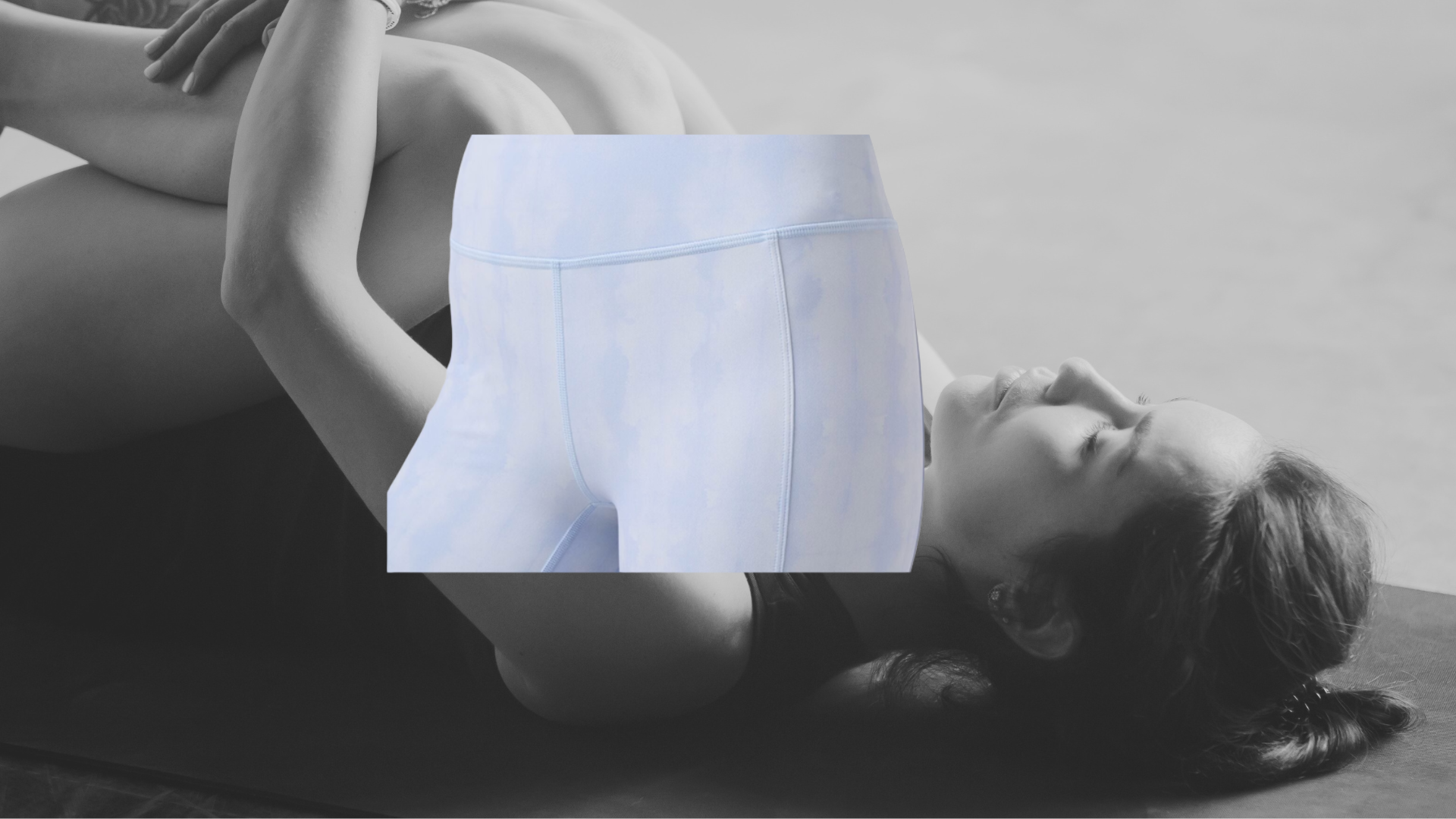
The Science of Summer Yoga: Why Thermoregulation and Gear Choice Matter More Than You Think
As the mercury rises and the humidity climbs, a subtle but significant shift occurs in the practice of yoga. For many practitioners, the transition from spring to summer means that even a standard Hatha or Vinyasa flow begins to mimic the intensity of a dedicated hot yoga session. The ambient temperature of the room, combined with the body’s metabolic heat production, creates a physiological environment that demands more than just mental focus; it requires strategic physical preparation.
From a medical perspective, summer yoga is not merely a matter of comfort—it is a matter of thermoregulation. When we exercise, our bodies generate significant internal heat. To maintain a stable core temperature, the body relies on several cooling mechanisms, most notably the evaporation of sweat from the skin. However, when external temperatures are high or humidity is elevated, the efficiency of this cooling process can be compromised, potentially leading to physical fatigue or, in more severe cases, heat-related illnesses.
Understanding the intersection of exercise physiology and textile technology is essential for anyone looking to maintain their practice during the warmer months. Choosing the right summer yoga essentials, particularly moisture-wicking yoga shorts and breathable fabrics, is a proactive step in managing your body’s thermal load and ensuring a safe, productive session.
The Physiological Reality: Why Summer Yoga Becomes “Hot Yoga”
To understand why summer yoga feels fundamentally different, we must look at the mechanics of heat exchange. During physical exertion, your muscles produce heat as a byproduct of energy consumption. In a controlled, cool environment, your body can easily dissipate this heat through radiation and convection. However, as the ambient temperature approaches or exceeds skin temperature, these methods become less effective.
This is where the concept of “evaporative cooling” becomes the hero of your summer practice. When sweat evaporates from your skin, it absorbs heat from the body, effectively cooling you down. In high-humidity environments, however, the air is already saturated with moisture, which slows the rate of evaporation. This creates a “stagnant” feeling of heat, where sweat sits on the skin rather than evaporating, making the practice feel significantly more taxing.
This phenomenon is why many practitioners find that their standard routine feels like a heated class. The lack of efficient cooling can lead to a faster rise in core temperature, which triggers a cascade of physiological responses: increased heart rate, increased respiration, and a higher rate of fluid loss. For those with underlying cardiovascular conditions or those who are not acclimated to heat, this increased physiological strain warrants careful monitoring.
The Science of Fabric: Why Moisture-Wicking Gear is Essential
Given the physiological challenges of summer practice, the clothing you choose acts as your primary interface with the environment. In the world of athletic apparel, the distinction between different fabric types can be the difference between a focused practice and a distressing one. When selecting summer yoga gear, the goal is to facilitate, rather than hinder, the body’s natural cooling mechanisms.
For many years, natural fibers like cotton were the standard for yoga clothing. While cotton is soft and comfortable, it is fundamentally “hydrophilic,” meaning it loves water. In a high-sweat environment, cotton fibers absorb moisture and hold onto it. This leads to several issues: the clothing becomes heavy and saggy, it loses its shape, and most importantly, it creates a damp barrier against the skin that inhibits airflow and prevents efficient evaporation.

In contrast, modern moisture-wicking yoga shorts are typically engineered from synthetic blends, such as polyester and nylon, often integrated with elastane for stretch. These fabrics are “hydrophobic,” meaning they repel water. Instead of absorbing sweat, they utilize capillary action to pull moisture away from the skin and move it to the outer surface of the fabric, where it can evaporate more quickly into the air. This process, known as “wicking,” helps maintain a drier microclimate against your skin, supporting more effective thermoregulation.
When shopping for summer yoga essentials, look for the following technical attributes:
- High Breathability: Fabrics that allow air to circulate freely through the weave.
- Capillary Action: The ability of the fabric to transport moisture away from the body.
- Lightweight Construction: Minimizing the physical weight of the garment as it becomes damp.
- Four-way Stretch: Ensuring that the moisture-wicking properties do not compromise the range of motion required for complex asanas.
Safety First: Recognizing Heat-Related Illness
As a health professional, my primary concern during the summer months is the prevention of heat-related illness. While most practitioners will simply feel more tired or thirsty, it is vital to recognize the progression from mild discomfort to medical emergencies. Heat-related issues generally fall into two categories: heat exhaustion and heat stroke.
Heat exhaustion is often the first sign that your body is struggling to keep up with the thermal load. Symptoms typically include heavy sweating, a rapid but weak pulse, dizziness, fatigue, muscle cramps, and nausea. If you begin to feel these symptoms during your practice, the immediate recommendation is to stop exercising, move to a cool or shaded area, and hydrate with water or electrolyte-rich fluids.
Heat stroke, however, is a life-threatening medical emergency. This occurs when the body’s thermoregulatory system fails entirely, and the core temperature rises above 104°F (40°C). Key indicators of heat stroke include an altered mental state (confusion, agitation, or slurred speech), hot and dry skin (the person may stop sweating entirely), and a rapid, strong pulse. If heat stroke is suspected, you must call emergency services immediately. According to the Mayo Clinic, immediate cooling measures, such as applying cool cloths or immersing the person in cool water, are critical while waiting for professional medical help.
To mitigate these risks, I recommend a proactive approach to summer yoga:
- Hydration Strategy: Do not wait until you are thirsty to drink. Sip water consistently before, during, and after your practice. For longer or more intense sessions, consider an electrolyte replacement to compensate for the sodium and potassium lost through sweat.
- Timing and Environment: If practicing outdoors, avoid the peak heat of the midday sun. If practicing indoors, ensure the space has adequate ventilation or air conditioning.
- Listen to Your Body: There is a fine line between “working through discomfort” and ignoring a dangerous physiological signal. If you feel lightheaded or unusually fatigued, honor that signal and rest.
Expert Recommendations for Summer Practice
To maximize your enjoyment and safety during the summer months, consider these practical adjustments to your routine. By treating your summer practice with the same respect you would a heated class, you can enjoy the benefits of yoga without the unnecessary risks associated with heat stress.
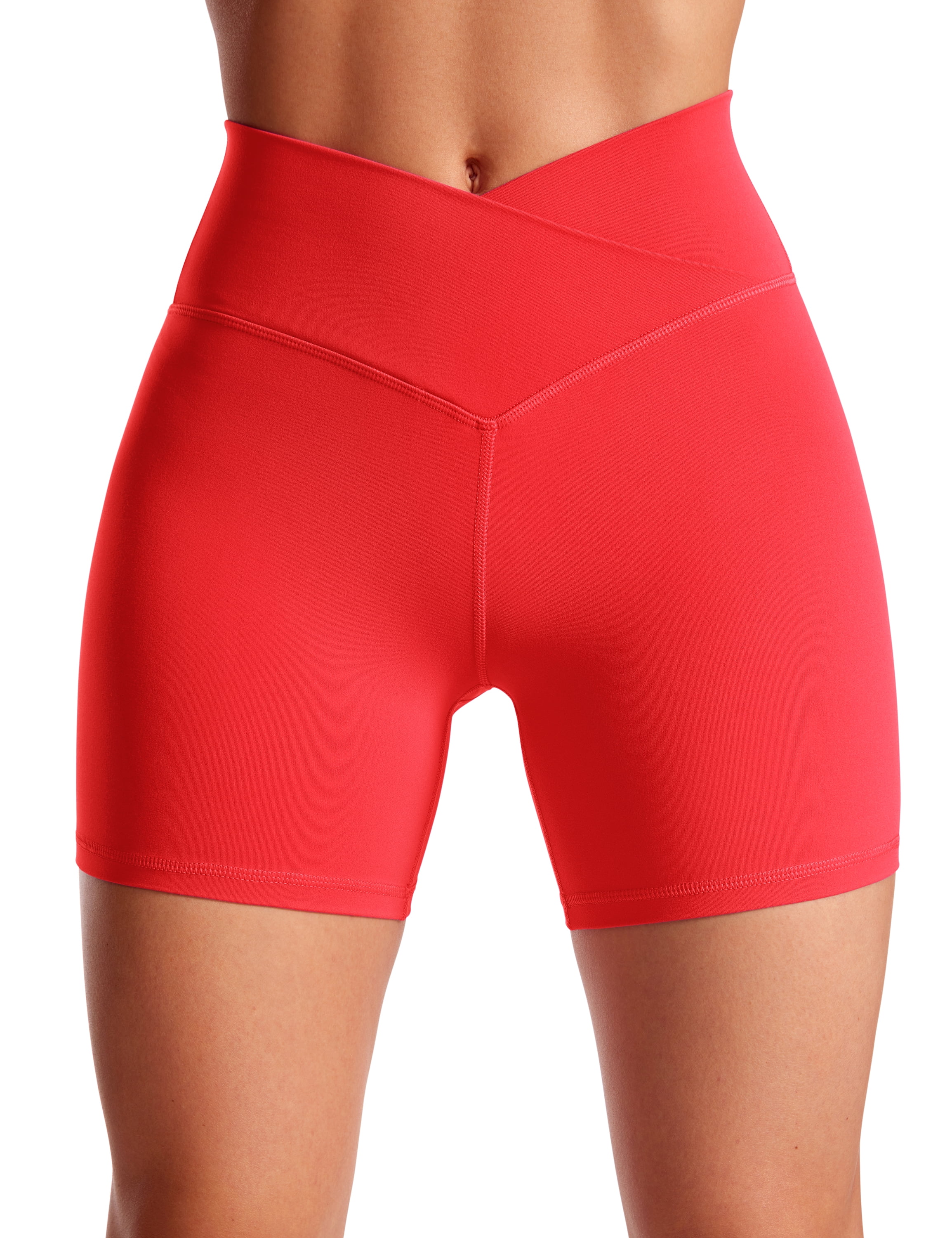
First, reconsider your wardrobe. Transitioning from full-length leggings to moisture-wicking yoga shorts can significantly increase the surface area of skin exposed to the air, facilitating better convective cooling. Second, consider the density of your practice. On particularly humid days, you may find that a more restorative or slower-paced style of yoga allows you to reap the mental benefits without overtaxing your cardiovascular system.
Finally, remember that acclimation is a real process. If you are transitioning from a cool climate to a warmer one, or if you are beginning a new summer routine, allow your body a week or two to adapt to the increased thermal demands. Your sweat glands and cardiovascular system will gradually become more efficient at managing heat through consistent, gradual exposure.
Key Takeaways for Summer Yoga
- Prioritize Wicking Fabrics: Avoid cotton; opt for synthetic blends that move sweat away from the skin.
- Monitor Temperature: Treat summer yoga as “accidental hot yoga” regarding your body’s heat production.
- Hydrate Proactively: Use water and electrolytes to replace fluids lost through increased perspiration.
- Know the Signs: Distinguish between heat exhaustion (sweating, dizziness) and heat stroke (confusion, lack of sweat) to act quickly.
- Adapt Your Style: Consider slower-paced practices on days with extreme heat or high humidity.
As we move deeper into the summer season, health advisories regarding heat waves remain a critical resource for outdoor enthusiasts and athletes alike. We will continue to monitor official public health guidance regarding summer wellness and exercise safety.
Do you have a favorite summer yoga routine or a specific piece of gear that keeps you cool? We invite you to share your experiences and tips in the comments below.
Related reading