Spain Defies US Trade Threat Amidst Deepening Rift Over Iran Policy
Madrid – A diplomatic standoff is escalating between the United States and Spain after President Donald Trump threatened a full trade embargo against the European nation. The dispute stems from Spain’s refusal to allow US forces to utilize Spanish military bases – Rota and Morón – for potential strikes against Iran, a stance firmly defended by Spanish Prime Minister Pedro Sánchez. The escalating tension highlights a growing divergence in transatlantic relations and raises questions about the future of security cooperation between Washington and key European allies. This latest clash builds upon existing friction between the two countries, including disagreements over NATO defense spending and Spain’s criticism of Israel’s actions in Gaza.
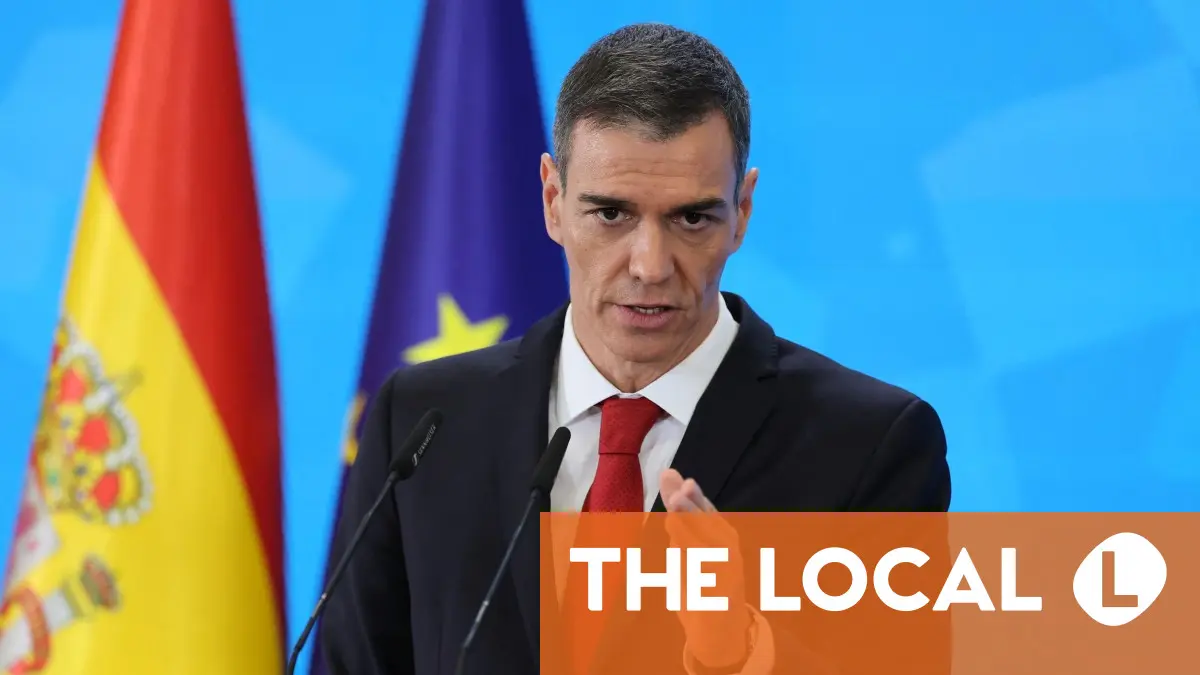
Sánchez, in a televised address on Wednesday, unequivocally stated his government’s position as “no to war,” drawing parallels to past conflicts like the Iraq War and warning against repeating “the mistakes of the past.” He emphasized the importance of avoiding escalation and the potential for unintended consequences in the volatile Middle East. The Spanish leader’s firm stance, while drawing the ire of the US administration, has resonated with a segment of European public opinion increasingly wary of further military intervention in the region. The situation underscores a broader trend of European nations seeking greater strategic autonomy and diverging from traditional US foreign policy directives.
The threat of a trade embargo, should it be implemented, would represent a significant economic blow to Spain. However, as a member of the European Union, Spain benefits from the bloc’s common market, which could complicate any unilateral US attempt to impose trade restrictions. The EU has already signaled its support for Spain, with European Council President António Costa expressing “full solidarity” and affirming the EU’s commitment to protecting the interests of its member states. French President Emmanuel Macron also conveyed his “European solidarity” to Sánchez in a phone call, indicating a united front against perceived economic coercion.
Trump’s Escalation and Historical Context
President Trump’s outburst against Spain, labeling the country a “terrible” ally, came during a meeting with German Chancellor Friedrich Merz on Tuesday. He accused Spain of failing to meet NATO’s defense spending target of 5% of GDP and reiterated his dissatisfaction with Madrid’s refusal to facilitate military operations against Iran. According to the BBC, Trump stated, “We’re going to cut off all trade with Spain. We don’t want anything to do with Spain.” This aggressive rhetoric marks a significant escalation in the ongoing dispute and raises concerns about the stability of the US-Spain relationship.
The US military has maintained a presence at the Rota naval base and Morón air base in southern Spain since 1953, under agreements established during the Franco dictatorship. These bases have historically served as crucial logistical hubs for US operations in Europe and beyond. However, Spain’s reluctance to allow their use in potential strikes against Iran reflects a growing divergence in strategic priorities. The historical context of Spain’s involvement in past US-led military interventions, particularly the 2003 invasion of Iraq, also plays a role in the current situation. Spain’s participation in the Iraq War sparked widespread protests and is widely blamed for the devastating Madrid train bombings in 2004, which killed nearly 200 people. A branch of Al-Qaeda claimed responsibility for the attacks, citing Spain’s involvement in Iraq as a key motive.
European Solidarity and Potential Ramifications
The swift and unequivocal support offered to Spain by the European Union demonstrates a growing sense of unity in the face of perceived US pressure. European Council President António Costa’s statement on X (formerly Twitter) –
Spoke with @sanchezcastellano to express the EU’s full solidarity with Spain. The EU will always ensure that the interests of its member states are fully protected.
— António Costa (@antoniocostapm) March 4, 2026
– underscores the EU’s commitment to defending its member states’ sovereignty. France’s expression of solidarity further reinforces this message. However, the extent to which the EU will actively intervene to counter any potential US trade restrictions remains to be seen.
Analysts suggest that Trump’s threat may be more bluster than concrete policy. As reported by CNBC, Angel Saz Carranza, director of the Esade Centre for Global Economy and Geopolitics, noted, “Trump’s words don’t always become policy. We will have to see if he follows through, and how.” The complexities of imposing trade restrictions on a member of the EU, coupled with the potential for retaliatory measures, could deter the US administration from taking drastic action. Nevertheless, the threat itself serves as a stark reminder of the fragility of transatlantic relations and the potential for further disruptions in the future.
Domestic Political Considerations in Spain
Pedro Sánchez’s firm stance against the US also carries significant domestic political implications. He currently leads a minority coalition government that faces challenges in passing legislation and has seen its popularity decline due to a series of scandals involving sexual harassment and graft allegations. His opposition to Trump and his defense of Spanish sovereignty are seen by some as an attempt to rally his base and consolidate support among left-leaning voters. However, critics on the right accuse Sánchez of prioritizing domestic politics over national interests, with Alberto Núñez Feijóo, the leader of the main opposition Popular Party, accusing him of using foreign policy for “partisan” purposes.
The Spanish daily newspaper *El País* cautioned Sánchez against exploiting anti-Trump sentiment for political gain, urging him to “resist the temptation” to capitalize on widespread hostility towards the US president. This highlights the delicate balancing act Sánchez faces – navigating international pressures while addressing domestic political concerns. The upcoming general election, scheduled for 2027, adds further complexity to the situation, as Sánchez seeks to position himself as a defender of Spanish values and interests on the global stage.
Key Takeaways
- Escalating Tensions: The US and Spain are locked in a diplomatic dispute over Spain’s refusal to allow US bases to be used in potential strikes against Iran.
- Trade Threat: President Trump has threatened a full trade embargo against Spain in response to its stance.
- European Solidarity: The European Union has expressed strong support for Spain, signaling a united front against perceived US pressure.
- Domestic Politics: Pedro Sánchez’s firm stance is also influenced by domestic political considerations, as he seeks to rally his base ahead of the 2027 general election.
- Historical Context: Spain’s past involvement in the Iraq War and the subsequent Madrid train bombings shape its current foreign policy approach.
The situation remains fluid, and the coming days will be crucial in determining whether the US will follow through on its threat of a trade embargo. The EU’s response and the evolving dynamics in the Middle East will also play a significant role in shaping the outcome. The next key development to watch will be any official statement from the US Treasury Department regarding potential trade restrictions, which could come as early as next week. We encourage readers to share their thoughts and perspectives on this developing story in the comments below.
Related reading