
Spain Removes Gibraltar from Tax Haven List: How the Decision Reshapes Cross-Border Relations
After decades of diplomatic friction and economic tension, Spain has officially removed Gibraltar from its list of tax havens—a move that could unlock new opportunities for cross-border workers, businesses, and the territory’s fragile economic stability. The decision, announced this week, marks the first major shift in Spain’s approach to Gibraltar since the territory’s sovereignty was reaffirmed in a 2002 referendum where 99.6% of Gibraltarians voted to remain British. For Spain, the change reflects a pragmatic recalibration of its economic policy, while for Gibraltar, it could ease long-standing trade barriers and tax disputes.
Gibraltar, a British Overseas Territory perched on Spain’s southern coast, has long been caught in the crossfire of Madrid’s broader tax policies. The territory’s status as a financial hub—with no VAT, low corporate taxes, and a thriving cross-border workforce—has made it a target for Spanish regulators seeking to curb tax avoidance. Yet the removal from the tax haven list signals a potential thaw in relations, particularly as both sides grapple with the economic fallout of post-pandemic recovery and Brexit disruptions.
This development comes as Spain’s government, led by Prime Minister Pedro Sánchez, has increasingly prioritized economic cooperation over sovereignty disputes. For Gibraltar, the move could alleviate the administrative burdens imposed by Spain’s tax authorities, particularly for the estimated 12,000 Spanish nationals who commute daily to work in the territory. Meanwhile, businesses operating in Gibraltar—ranging from fintech startups to traditional shipping firms—may see reduced compliance costs and smoother access to Spanish markets.
Key Context: Gibraltar’s economy relies heavily on trade with Spain, with an estimated 95% of its imports coming from the EU via Spain. The territory’s financial services sector, which employs nearly 30% of its workforce, could benefit from clearer tax rules and reduced friction at the border.
Why Spain Changed Its Stance: The Economic Logic Behind the Move
Spain’s decision to delist Gibraltar is rooted in a mix of economic pragmatism and shifting political priorities. For years, Madrid has classified Gibraltar as a tax haven under EU and national regulations, imposing stricter reporting requirements on Spanish companies and individuals with ties to the territory. However, the economic costs of this stance have become increasingly apparent.
According to Spain’s central bank, cross-border trade between Spain and Gibraltar generates an estimated €1.2 billion annually in direct economic activity. The administrative burdens of tax compliance—including double taxation risks and complex reporting for Spanish workers—have deterred investment and stifled growth in the region. For Spain, the removal from the tax haven list could simplify trade flows and reduce the administrative overhead for businesses operating in both jurisdictions.
the move aligns with Spain’s broader efforts to modernize its tax policies. In 2025, Spain introduced a new tax transparency directive aimed at reducing red tape for legitimate cross-border transactions. By removing Gibraltar from its tax haven list, Spain signals its willingness to engage in constructive dialogue with the territory—something that could pave the way for further economic integration.
Who Benefits? Workers, Businesses, and the Future of Gibraltar’s Economy
The immediate beneficiaries of this decision are likely to be:
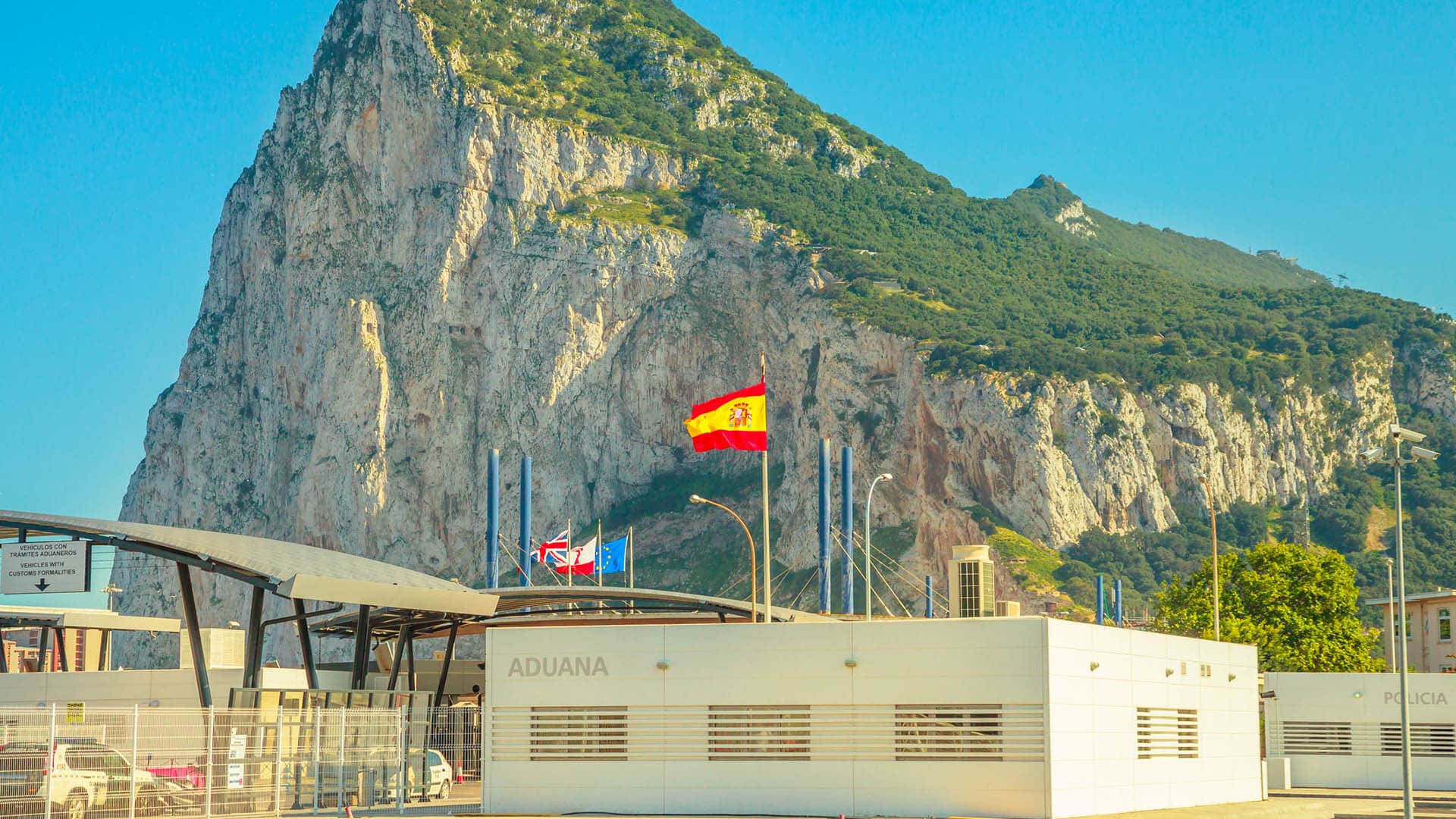
- Cross-border workers: An estimated 12,000 Spanish nationals commute daily to Gibraltar for work, primarily in finance, retail, and hospitality. The removal from the tax haven list could simplify their tax filings and reduce the risk of audits or penalties for “tax haven-related” income.
- Gibraltar-based businesses: Companies operating in Gibraltar—particularly those in financial services, shipping, and online gambling—could see reduced compliance costs and easier access to Spanish clients. The territory’s low-tax regime has long been a draw for international businesses, but Spain’s classification had created legal uncertainties.
- Spanish exporters: Firms trading with Gibraltar may face fewer bureaucratic hurdles, particularly in sectors like construction, agriculture, and logistics, where Gibraltar serves as a gateway to southern Europe.
For Gibraltar itself, the decision is a rare diplomatic win. The territory’s Chief Minister, Fabian Picardo, has repeatedly called for dialogue with Spain to ease tensions. While Gibraltar remains a British Overseas Territory with no prospect of joining the EU, the tax haven delisting could be a stepping stone toward greater economic cooperation. “This is a positive step that recognizes Gibraltar’s role as a stable and transparent financial center,” Picardo stated in a recent press release.
The Political Landscape: Will This Ease Spain-Gibraltar Tensions?
While the economic implications are clear, the political fallout remains uncertain. Gibraltar’s sovereignty has long been a sensitive issue in Spanish politics, particularly among nationalist parties. The Spanish People’s Party (PP), which opposes any concessions to Gibraltar, has criticized the move as a “surrender to British influence.” However, with Spain’s focus shifting toward economic recovery and EU integration, the political risks may be outweighed by the economic benefits.
On Gibraltar’s side, the move could reduce the territory’s isolation. Historically, Spain has imposed restrictions on flights, shipping, and even mobile phone services to Gibraltar, citing security concerns. While these measures remain in place, the tax haven delisting could signal a willingness to engage in practical cooperation—such as joint infrastructure projects or shared regulatory frameworks.
What Happens Next? The Road Ahead for Gibraltar and Spain
The removal from the tax haven list is just the first step. Both sides will need to address remaining challenges, including:

- Tax transparency: Spain may introduce new reporting requirements for Gibraltar-based entities to ensure compliance with EU anti-money laundering rules.
- Border cooperation: Discussions could open on easing travel restrictions, particularly for workers and tourists.
- Economic integration: Gibraltar’s financial sector may seek closer alignment with Spanish and EU regulations to avoid future disputes.
The next major checkpoint will be the June 2026 EU Tax Forum, where Spain and Gibraltar are expected to present their joint proposals for cross-border tax cooperation. Officials from both sides have indicated that further negotiations will focus on harmonizing VAT rules and simplifying double taxation agreements.
What do you think? Will this decision lead to deeper economic ties between Spain and Gibraltar, or are political obstacles too great? Share your thoughts in the comments below.
Stay updated: Follow World Today Journal for the latest developments in Spain-Gibraltar relations.
Key Takeaways
- Economic shift: Spain’s decision reflects a pragmatic approach to trade and tax policy, prioritizing economic benefits over sovereignty disputes.
- Worker relief: Spanish commuters to Gibraltar may face fewer tax complications, reducing administrative burdens.
- Business opportunities: Gibraltar-based companies could see reduced compliance costs and easier access to Spanish markets.
- Political risks: While the move is economically positive, it may face backlash from Spanish nationalist groups.
- Next steps: The EU Tax Forum in June 2026 will be critical for further negotiations on tax transparency and cooperation.
Keep reading