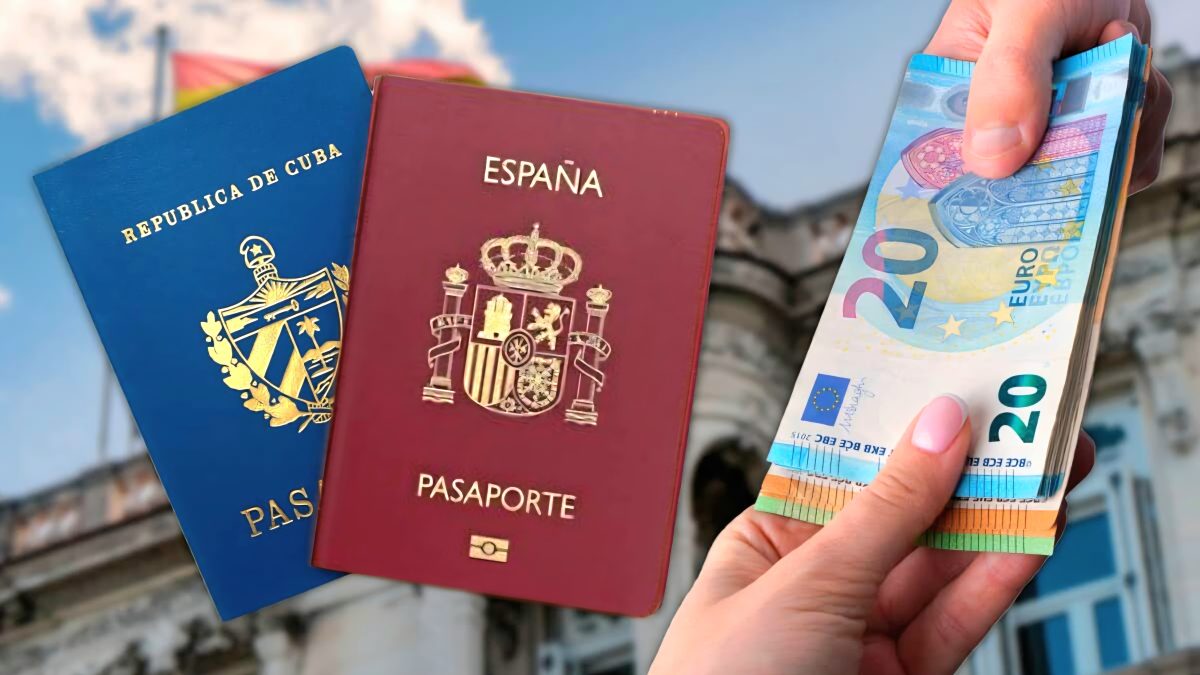
For many Cubans with Spanish citizenship, the prospect of reconnecting with their ancestral homeland through financial aid programs has become a topic of significant interest. As the Spanish government and various autonomous communities continue to manage social welfare initiatives aimed at supporting citizens living abroad, understanding the eligibility requirements and the scope of these programs is essential for those seeking assistance.
Navigating the complex landscape of public aid requires a clear distinction between national-level support and regional initiatives. While the prospect of receiving financial grants—such as those occasionally offered to descendants of emigrants—is often discussed in community forums, it is vital to ground these expectations in the official policies established by the Spanish Ministry of Inclusion, Social Security and Migration.
Understanding Spanish Citizenship and Social Support
The relationship between Spain and its diaspora is governed by specific legal frameworks, most notably those regarding the acquisition of nationality and the protection of citizens residing outside the national territory. For many, the primary pathway to these benefits has been the Ley de Memoria Democrática, which has facilitated the acquisition of Spanish nationality for thousands of individuals of Spanish descent globally.
However, holding a Spanish passport does not automatically entitle an individual to direct financial subsidies upon arrival or while residing abroad. Most aid programs are strictly means-tested, targeting individuals who are in a state of verified financial need or social vulnerability. The Spanish government, through its various consulates and the General Directorate of Migration, manages specific programs designed to assist Spanish citizens residing abroad who lack the resources to cover basic living expenses.
Regional Initiatives: The Case of Asturias
Recent reports regarding financial aid for descendants of emigrants have often focused on regional autonomous governments, such as the Principality of Asturias. It is significant for applicants to recognize that these programs are distinct from national social security benefits. For instance, the Government of the Principality of Asturias periodically publishes calls for grants specifically aimed at supporting Asturian communities and their descendants abroad.

These grants are not universal; they are competitive and subject to rigorous documentation requirements. Applicants are typically required to prove their ancestral link to the region, demonstrate their current residence, and often provide evidence of their socioeconomic status. The figures cited in public discourse—such as grants reaching 6,000 euros—usually refer to specific, time-bound programs intended to cover travel, integration, or economic hardship, rather than a recurring stipend for all Spanish passport holders.
Key Considerations for Applicants
If you are exploring these opportunities, the following steps are critical to ensuring your application is considered:
- Verify the Source: Always rely on the official websites of the Spanish administration (usually ending in .gob.es) or the official portals of the specific autonomous community.
- Review Eligibility Criteria: Most programs require proof of Spanish nationality and, in many cases, registration in the Consular Registry (Registro de Matrícula Consular) in your country of residence.
- Documentation: Ensure that all civil registry documents, birth certificates, and proof of lineage are apostilled and translated if necessary, as these are mandatory for verifying eligibility.
- Deadlines: Regional grants operate on strict annual or biannual cycles. Once a call for applications closes, no further submissions are accepted until the next cycle is announced.
Distinguishing Fact from Speculation
In the digital age, information regarding government aid can often be distorted or exaggerated. It is common to see social media posts suggesting that all Spanish citizens are entitled to immediate financial payouts. These claims are frequently inaccurate. The Spanish welfare system is built on contributions and specific social necessity requirements. Even for those returning to Spain, the path to assistance involves navigating the National Social Security Institute (INSS), which handles unemployment benefits and social integration support based on individual work history and residency status.
For those currently residing in Cuba, the most reliable point of contact remains the Consulate General of Spain in Havana. They provide the most accurate and up-to-date guidance on the programs currently available to the Spanish community in the island, including potential assistance for the elderly or those in documented states of poverty.
Looking Ahead: Staying Informed
The landscape of social aid is subject to change based on the annual budget allocations of the Spanish government and regional parliaments. As we look toward the next fiscal year, applicants should monitor the official bulletins of their respective autonomous regions. For those claiming Asturian heritage, the Asturian Government’s Electronic Office remains the primary repository for all active grant calls and regulatory updates.
We encourage our readers to exercise caution with third-party sites that may promise guaranteed funding, as these often lack the legal authority to process official government claims. Accuracy is your greatest asset in this process. Have you navigated the process of registering with the consulate or applying for regional aid? Share your experiences in the comments section below, and stay tuned to World Today Journal for further updates on international migration policies and support programs.
Keep reading