Spain’s Conservative Shift: People’s Party Sets Conditions for Alliance with Far-Right Vox
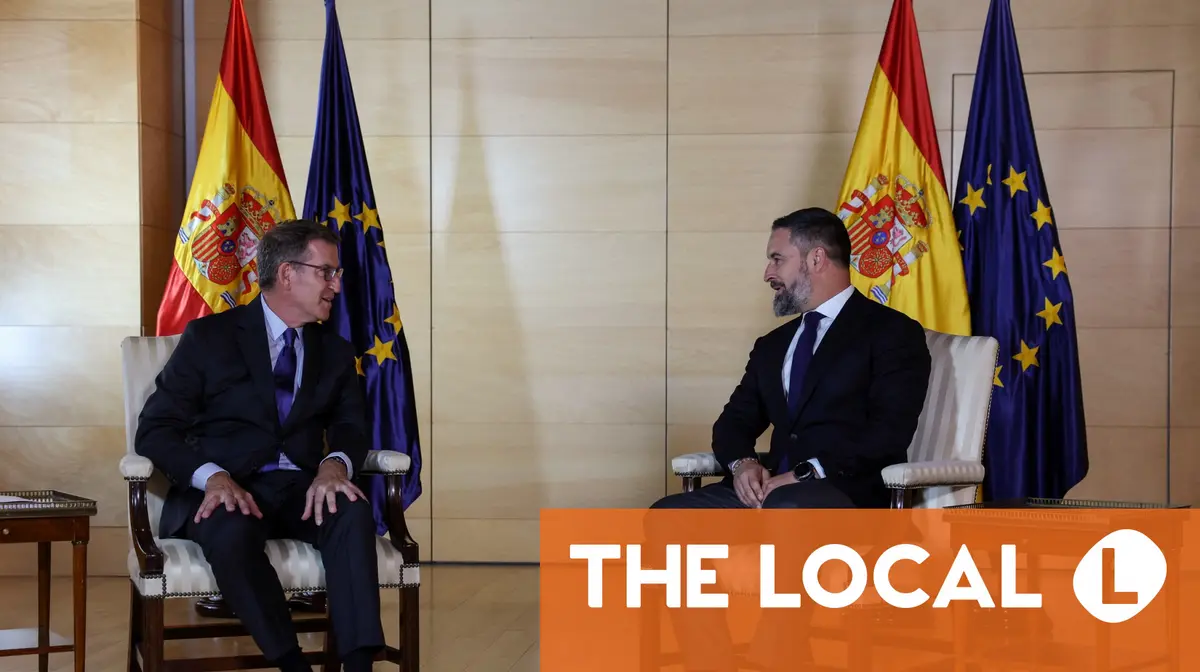
Madrid – Spain’s political landscape is undergoing a significant realignment as the main conservative People’s Party (PP) lays out its terms for a potential alliance with the far-right Vox party. This move, signaling a possible governing coalition after the next general election – expected in 2027 – reflects a growing trend of voters shifting towards more assertive right-wing ideologies. While the exact date of the election remains unconfirmed, current polling data suggests the PP is poised to win, albeit without securing an absolute majority, potentially making Vox a crucial kingmaker in forming a government. The negotiations come after recent regional elections in Extremadura and Aragón, where the PP secured leadership positions but failed to achieve a majority, necessitating coalition talks.
The PP’s approach represents a departure from the traditional stance of many European mainstream parties that avoid formal cooperation with far-right groups. However, PP leader Alberto Núñez Feijóo has defended the discussions, arguing they are necessary to present “a credible alternative” to the current Socialist-led government. This willingness to engage with Vox underscores the evolving dynamics within Spanish politics and the increasing influence of the far-right in shaping the national agenda. The move also highlights the PP’s strategic calculation to secure power, even if it means compromising on certain ideological principles.
Policy Demands and Diverging Views
A document outlining the PP’s conditions for a potential alliance, seen by Agence France-Presse (AFP) on Tuesday, February 24, 2026, details specific policy positions that any partner must adopt. These include stricter migration controls and a ban on the burqa, aligning closely with Vox’s core platform. The PP document also expresses criticism of current climate policies, arguing they “destroy jobs, raise energy costs and push industry out of the country,” while emphasizing the importance of “respect for national unity.” The Local reports that these demands reflect a broader effort by the PP to appeal to conservative voters concerned about immigration, economic stability, and national identity.
However, the PP’s approach has not been without criticism. Santiago Abascal, the leader of Vox, publicly criticized the PP’s conditions during a television interview on Tuesday, accusing the conservatives of treating them “as if they were negotiating with savages.” This sharp rebuke suggests underlying tensions between the two parties and raises questions about the feasibility of a stable and cohesive coalition. The differing tones and approaches highlight the ideological gap between the PP and Vox, despite their shared goal of challenging the current Socialist government.
A Shifting Electorate and Generational Divide
The potential alliance between the PP and Vox is occurring against a backdrop of a broader shift in the Spanish electorate. Recent data indicates a subtle but significant migration of voters from the traditional conservative PP to Vox, a trend that extends beyond the next election in 2027. According to a report by memesita.com, approximately 15-16% of those who voted for the PP in the 2023 general election now say they would vote for Vox. This movement reveals dissatisfaction within the conservative base and a growing appetite for a more assertive right-wing agenda.
This shift is particularly pronounced among younger voters aged 25-34, with over 32% of former PP voters in this age group now leaning towards Vox. This demographic trend suggests a generational divide in political preferences, with younger voters being less tied to traditional party loyalties and more open to protest votes. Anna López Ortega, a political scientist at the University of Valencia, explains this phenomenon as “a breakdown of the old guard,” noting that Vox is benefiting from both political loyalty and alienation. This generational shift could have long-term implications for the Spanish political landscape, potentially reshaping the balance of power for years to come.
Vox’s Long-Term Strategy and Regional Maneuvering
Beyond the immediate negotiations for a potential national coalition, Vox is pursuing a broader, long-term strategy to gain power in Spain. As reported by ARA on February 22, 2026, the party’s plan involves a multi-stage approach, starting with regional governments in Extremadura and Aragón, coinciding with elections in Castile and León and Andalusia. The ultimate goal is to position Santiago Abascal as the next Prime Minister, residing in La Moncloa.
Currently, Vox is focused on securing a position within the government of Extremadura, ostensibly due to a lack of trust in the regional president, María Guardiola. However, the underlying strategy is to “corner” Guardiola, potentially forcing her to accept unfavorable conditions or triggering a repeat election, which Vox believes would lead to her political downfall. Simultaneously, Vox is maintaining a more conciliatory approach towards Jorge Azcón in Aragón, avoiding demands for ministerial positions to expose Guardiola’s perceived inflexibility. This tactical maneuvering demonstrates Vox’s calculated approach to gaining influence and achieving its long-term objectives.
Graft Scandals and Calls for Early Elections
The push for a potential PP-Vox alliance is also occurring amidst calls for early national elections, fueled by graft scandals affecting Socialist Prime Minister Pedro Sánchez’s inner circle. Both the PP and Vox have regularly demanded an immediate vote, capitalizing on the public discontent surrounding the allegations. Sánchez, who has been in office since 2018, has rejected these calls and affirmed his intention to stand in the next general election. The timing of these scandals and the subsequent political maneuvering adds another layer of complexity to the already volatile Spanish political landscape.
The ongoing investigations and the resulting political fallout are likely to play a significant role in shaping public opinion and influencing the outcome of the next election. The PP and Vox are attempting to leverage the situation to their advantage, presenting themselves as agents of change and accountability. However, the Socialist government is determined to defend its record and maintain its position, setting the stage for a highly contested electoral battle.
What Happens Next?
The coming months will be crucial in determining the future of Spanish politics. The negotiations between the PP and Vox are expected to continue, with both parties seeking to maximize their influence and secure favorable terms for a potential coalition. The outcome of these talks will not only shape the composition of the next government but also define the direction of Spanish policy on key issues such as immigration, climate change, and national identity. The next key checkpoint will be the formal announcement of the election date, which is anticipated before the conclude of 2026.
As Spain navigates this period of political uncertainty, This proves essential for citizens to remain informed and engaged in the democratic process. The decisions made in the coming months will have far-reaching consequences for the country’s future. Share your thoughts and perspectives in the comments below, and facilitate us continue to provide insightful coverage of this evolving story.