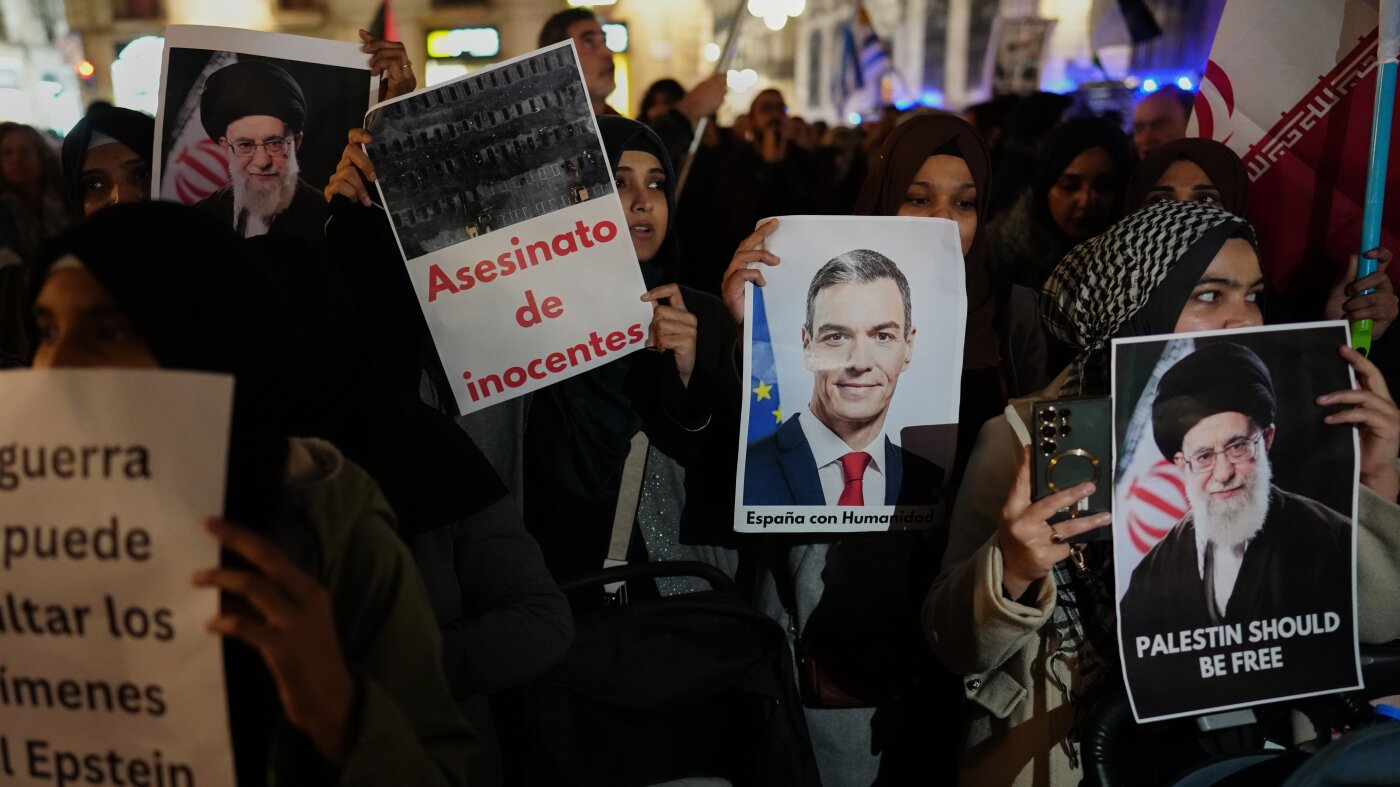
Sofia, Bulgaria – A deepening rift between the United States and Spain is escalating over Madrid’s firm opposition to military actions related to the conflict in Iran. The dispute, centered on the use of Spanish military bases by U.S. Forces, highlights growing transatlantic tensions and underscores Spain’s commitment to a diplomatic resolution, even in the face of pressure from Washington. The core of the disagreement revolves around access to strategically important military installations in southern Spain, vital for U.S. Operations in the Middle East, and reflects a broader divergence in approaches to international security and the handling of geopolitical crises.
The current strain in relations began following comments made by President Donald Trump, threatening to impose trade restrictions on Spain if it refused to allow U.S. Forces to utilize Spanish military bases. This ultimatum was met with a resolute response from Spanish Prime Minister Pedro Sánchez, who has consistently advocated for de-escalation and a negotiated settlement to the crisis. The situation is further complicated by conflicting statements from U.S. Officials, initially suggesting a shift in Spain’s position, which were swiftly refuted by Spanish authorities. This diplomatic impasse raises questions about the future of U.S.-Spain security cooperation and the broader stability of the NATO alliance.
The dispute isn’t merely about access to military facilities; it represents a fundamental disagreement over the principles guiding international intervention. Spain, a NATO member since 1982, is asserting its sovereign right to determine its foreign policy and refusing to be drawn into conflicts it deems detrimental to international law and peaceful resolutions. This stance, while aligning with a growing sentiment within Europe, puts Spain at odds with the more assertive foreign policy approach favored by the Trump administration. The implications of this disagreement extend beyond bilateral relations, potentially influencing the dynamics within NATO and the European Union’s response to the escalating tensions in the Middle East.
The strategic importance of the Spanish bases, Rota and Morón, cannot be overstated. Rota, located in the province of Cádiz, has been home to a U.S. Navy base since 1953, serving as a crucial logistical hub for naval operations in the Mediterranean and beyond. Morón Air Base, in the province of Seville, has similarly been utilized by the U.S. Air Force for decades, providing a key refueling and staging point for aircraft deploying to the Middle East. The U.S. Military had previously based over a dozen refueling aircraft at these locations, but relocated them over the weekend after Spain denied permission for their use in missions related to the conflict in Iran, as reported by multiple news outlets. NPR
Spain Reaffirms its Position Amidst U.S. Pressure
Spanish Defense Minister Margarita Robles has repeatedly and unequivocally stated that Spain will not authorize the use of its military bases for actions related to the conflict in Iran. Responding to a claim by White House Press Secretary Karoline Leavitt that Spain had altered its stance, Robles firmly refuted the assertion, stating, “The facts are clear. The Spanish government is not going to authorize the use of the bases in Rota and Morón for these military actions.” NPR She further emphasized the importance of adhering to international regulations, asserting, “No single country should act as a guardian of the world. We have international rules.” Robles’s comments came after a scheduled meeting with U.S. Ambassador to Spain, Benjamin León Jr., where she maintained that her position had not changed.
The disagreement stems from President Trump’s threat to impose trade sanctions on Spain if it did not grant access to its bases. This move was widely criticized by Spanish officials and political analysts as an attempt to coerce Spain into supporting a military strategy it fundamentally opposes. Prime Minister Sánchez has consistently called for a diplomatic solution to the crisis, emphasizing the need to avoid escalating tensions and protect civilian populations. He articulated this position on Wednesday, stating, “We say no to breaking the international law that protects us all, especially the most defenseless, the civilian population… No to accepting that the world can only solve its problems through conflicts and bombs.”
Domestic Political Landscape in Spain
Pedro Sánchez’s firm stance against military involvement has sparked debate within Spain’s political landscape. Sánchez leads a coalition government comprised of the center-left Socialist Party (PSOE) and several smaller parties. While his position enjoys broad support within his coalition, the conservative Popular Party (PP), the main opposition party, has criticized Sánchez for what they perceive as a weakening of Spain’s alliance with the United States and Israel. The PP has openly expressed support for the U.S. And Israeli military campaign, advocating for a more assertive role for Spain in addressing the perceived threats in the Middle East. This internal division highlights the complexities of navigating foreign policy in a multi-party coalition government.
The Spanish military has taken steps to bolster security in the region, deploying its most advanced warship, the Cristóbal Colón, to the Mediterranean Sea to join forces with French and Greek naval units. This deployment, announced by the Defense Ministry on Thursday, is intended to demonstrate Spain’s commitment to regional stability and its willingness to contribute to collective security efforts, even while maintaining its opposition to military intervention in Iran. The move underscores Spain’s desire to balance its commitment to its allies with its independent foreign policy objectives.
European Concerns and International Implications
The escalating tensions between the U.S. And Spain are reverberating throughout Europe, raising concerns about the potential for further fragmentation within the NATO alliance. Kaja Kallas, the European Union’s foreign policy chief, has warned that further escalation of the conflict could have “unpredictable consequences” for Europe and beyond, emphasizing the need for a coordinated response to prevent a wider regional conflict. CNBC She added that the EU is “taking all necessary steps to ensure the safety of EU citizens in the region.”
The situation highlights the growing divergence in strategic priorities between the United States and some of its European allies. While the U.S. Has adopted a more confrontational approach to Iran, many European nations, including Spain, prioritize diplomatic engagement and adherence to international law. This divergence poses a challenge to the transatlantic alliance and underscores the need for greater dialogue and coordination to address the complex geopolitical challenges facing the region. The ongoing dispute serves as a stark reminder of the limitations of unilateral action and the importance of multilateralism in resolving international conflicts.
Key Takeaways
- Spain is refusing to allow U.S. Forces to use its military bases for operations related to the conflict in Iran, despite pressure from the Trump administration.
- Prime Minister Pedro Sánchez has consistently advocated for a diplomatic solution and criticized military intervention.
- The dispute has sparked domestic political debate in Spain, with the opposition party criticizing Sánchez’s stance.
- European officials have expressed concern about the potential for escalation and the impact on transatlantic relations.
- The strategic importance of the Rota and Morón bases makes this disagreement a significant point of contention.
As the situation continues to evolve, further diplomatic efforts will be crucial to de-escalate tensions and prevent a wider conflict. The next steps will likely involve continued negotiations between the U.S. And Spain, as well as ongoing discussions within the European Union to formulate a unified response. Readers are encouraged to share their perspectives and engage in constructive dialogue in the comments section below.
Related reading