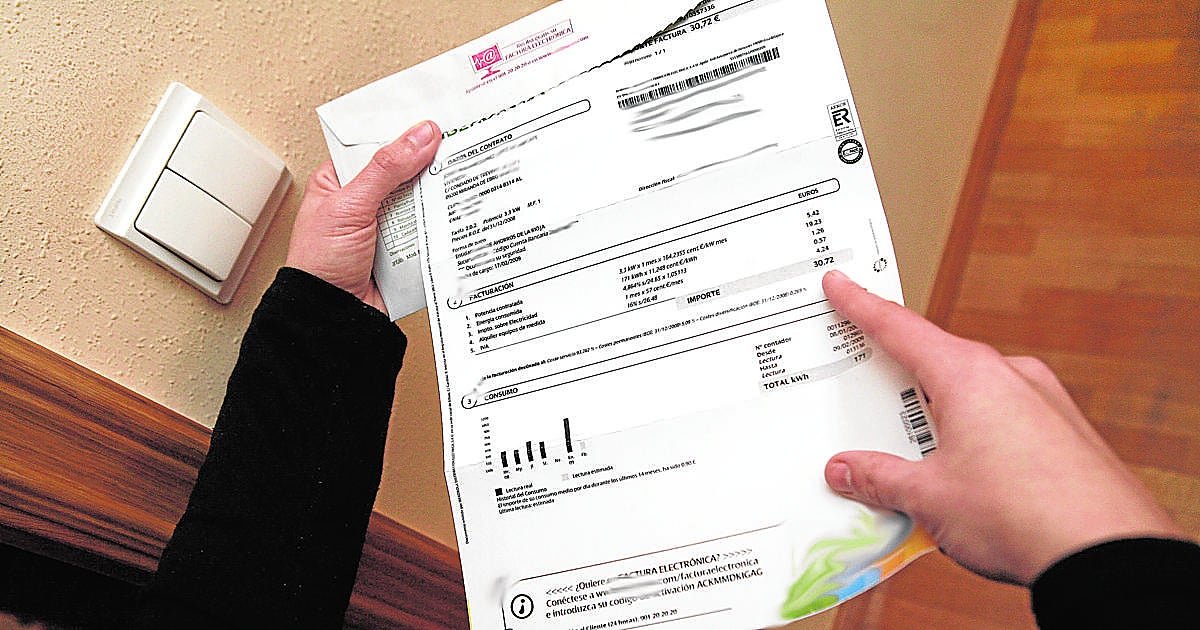
As the Spanish economy navigates a complex period of post-inflationary adjustment, households are bracing for a significant shift in utility costs. The upcoming fiscal transition, which involves the normalization of Value Added Tax (IVA) rates on energy products, is set to impact millions of consumers across the country. Understanding the mechanics of this adjustment—specifically the return of the IVA on electricity and gas to its standard 21% level—is essential for families and small business owners planning their household budgets for the remainder of 2026.
The return to the standard IVA rate is part of a broader fiscal strategy aimed at phasing out temporary tax relief measures that were introduced during the height of the energy price crisis. While these measures provided critical support during periods of extreme volatility, the government has moved toward a gradual restoration of pre-crisis taxation levels, a process governed by the Real Decreto-ley 8/2023. For the average consumer, this means that the “cuenta atrás” or countdown to higher monthly energy bills is no longer a distant concern, but a fixed point on the fiscal calendar.
Understanding the Fiscal Normalization of Energy Costs
The core of the current discussion revolves around the expiration of the reduced IVA rates that were applied to electricity and gas supplies. Throughout the period of heightened market uncertainty, the Spanish government implemented a series of fiscal interventions to mitigate the impact of rising global energy prices on domestic consumers. These measures included lowering the IVA on electricity from its standard 21% to 10%, and in some cases, to 5%, depending on the specific billing circumstances and market conditions at the time.
As we approach the new taxation threshold, it is important to clarify that this is not an arbitrary increase, but the implementation of a pre-scheduled fiscal roadmap. The restoration of the 21% IVA rate is mandated by national law, reflecting the administration’s focus on long-term fiscal sustainability. For consumers, the primary takeaway is the adjustment in the final invoice. When the tax rate reverts to the standard 21%, the total cost of electricity and gas services will reflect this higher percentage, effectively ending the period of subsidized tax relief.
Impact on Household Budgets and Energy Consumption
The financial impact of this change will vary depending on individual consumption patterns. Households with higher energy demands—particularly those using electric heating systems or relying on gas for water heating and cooking—will notice the change most significantly. Because the IVA is a percentage-based tax, the absolute increase in euros on a monthly bill is directly proportional to the total usage and the base price of the energy consumed.
Financial analysts often emphasize that when VAT rates are adjusted upward, the “net” impact can be amplified if the underlying wholesale energy market remains volatile. While the government has provided guidelines on how these changes should be communicated by utility providers, consumers are encouraged to review their most recent invoices to understand their current consumption levels. Transparency in billing is a legal requirement, and providers are expected to clearly delineate the tax components of every bill issued to the public.
Navigating the Market for Alternative Heating
The discourse surrounding energy costs has also extended to alternative heating sources, such as biomass and pellets. Market participants and industry representatives have expressed concerns regarding the tax treatment of these materials, arguing that they play a crucial role in the transition toward more sustainable energy practices. The Ministry for the Ecological Transition and the Demographic Challenge continues to oversee the regulatory framework for these energy sources, balancing fiscal needs with broader environmental policy goals.
For those relying on pellets or firewood for domestic heating, the market dynamics are influenced by both seasonal availability and tax policy. Consumers are often advised to monitor official announcements regarding the classification of these fuels for tax purposes. Because these products are categorized differently than standard electricity or natural gas, their price sensitivity to tax changes can differ, making it important for consumers to stay informed through official government portals rather than relying solely on unofficial market projections.
Staying Informed: Next Steps for Consumers
As of May 26, 2026, the primary focus for the Spanish public remains the adherence to the established fiscal calendar. The next major checkpoint for energy policy will be the Cortes Generales legislative sessions, where any potential adjustments to the current fiscal framework would be debated and formalized. It is through these official channels that changes to tax laws—including energy-related IVA—are debated, approved, and enacted.

To ensure you are fully prepared for your next billing cycle, we recommend the following actions:
- Review your current contract terms with your energy provider to confirm your specific billing date.
- Consult the official Agencia Tributaria website for the most accurate information regarding current tax rates on utility services.
- Monitor energy usage through your provider’s digital portal to identify opportunities for efficiency improvements.
We invite our readers to share their thoughts and experiences regarding these changes. How has your household adjusted its energy consumption in response to shifting market conditions? Join the conversation in the comments section below.
Worth a look