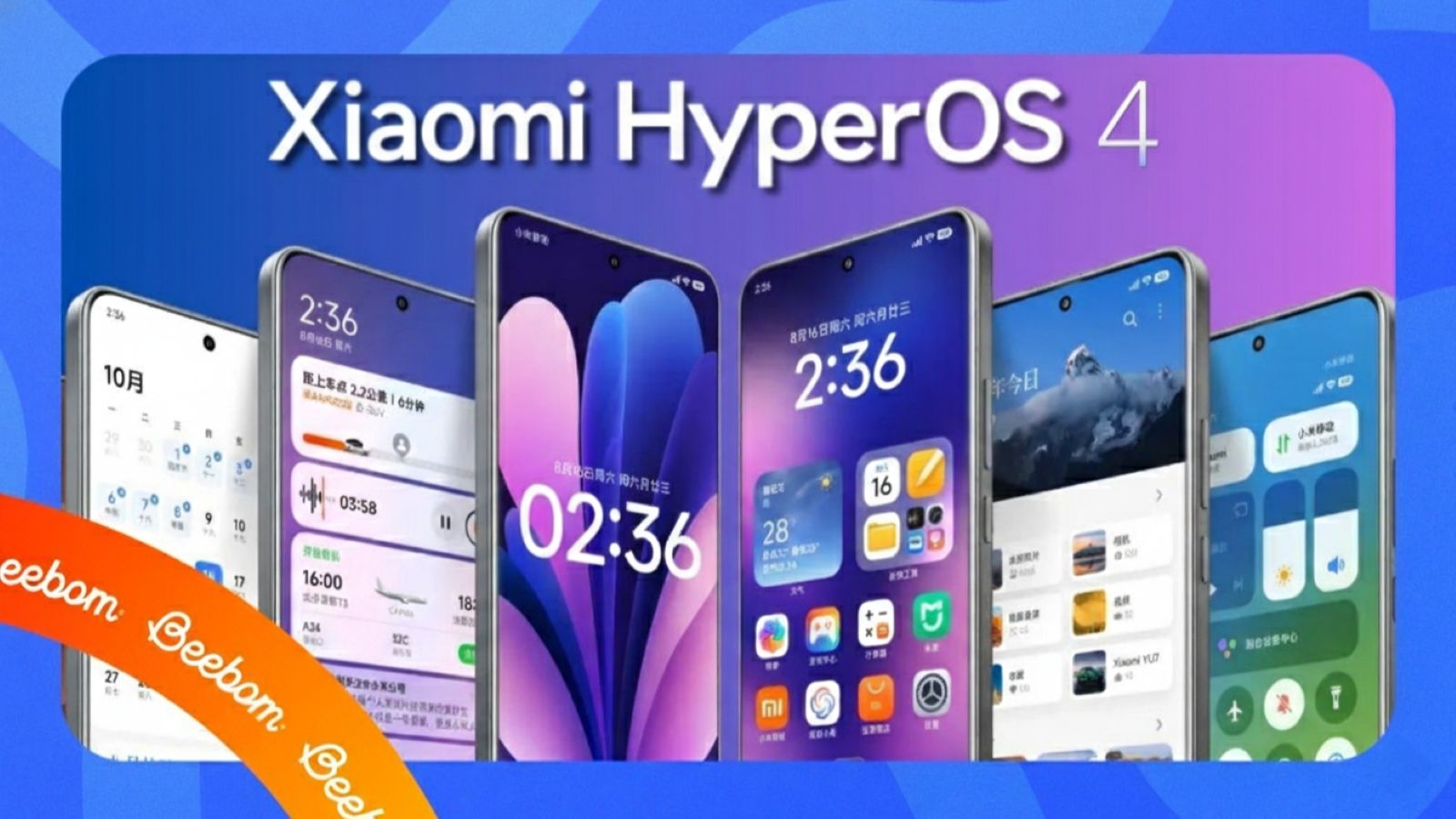
Xiaomi’s HyperOS 4 is set to arrive globally in August 2026, bringing with it a suite of AI-driven enhancements and deeper Android 17 integration. The update, which will introduce the company’s new miclaw AI assistant, marks a significant evolution in Xiaomi’s software strategy as it seeks to compete with rivals like Samsung and Google in the AI-powered smartphone ecosystem.
As the third-largest smartphone vendor worldwide with 754.1 million monthly active users as of December 2025, Xiaomi’s operating system plays a pivotal role in shaping the user experience for millions of devices across 190+ countries. The upcoming HyperOS 4 promises to redefine productivity, personalization, and device interoperability—all while maintaining the lightweight efficiency that has made Xiaomi’s software a favorite among budget-conscious and premium users alike.
But what exactly is changing in HyperOS 4? How does the new miclaw AI assistant compare to existing voice assistants? And what does this update mean for Xiaomi’s broader ambitions in artificial intelligence and global tech leadership? We’ve dug into the verified details to bring you a comprehensive breakdown of the most anticipated Xiaomi software update of the year.
Xiaomi HyperOS 4: AI-Powered Upgrade Arrives August 2026—Here’s What’s New
Xiaomi has officially confirmed that HyperOS 4 will launch globally in August 2026, bringing a major overhaul to the company’s custom Android-based operating system. The update introduces several headline features, including:
- A new AI-powered assistant named miclaw, designed to integrate seamlessly with Xiaomi’s ecosystem of devices.
- Enhanced Android 17 compatibility, ensuring users benefit from the latest Google innovations while maintaining Xiaomi’s signature optimizations.
- Improved performance and battery efficiency, particularly for high-end devices like the upcoming Xiaomi 17 series.
- A refined user interface with adaptive themes and personalized AI recommendations.
The rollout will begin with flagship devices, including the Xiaomi 17 and Xiaomi 17 Ultra, before expanding to mid-range and budget models in subsequent months. Xiaomi’s decision to prioritize AI integration reflects the company’s strategic shift toward becoming a leader in smart device ecosystems, where software and hardware work in unison.
Introducing miclaw: Xiaomi’s New AI Assistant
The centerpiece of HyperOS 4 is the miclaw AI assistant, a name that pays homage to Xiaomi’s heritage while signaling a bold step into the AI-first era. Unlike traditional voice assistants, miclaw is designed to understand context, anticipate user needs, and integrate with Xiaomi’s broader smart home and IoT ecosystem—from security cameras to smart speakers and wearables.
While details about miclaw’s capabilities remain limited until the official launch, early indications suggest it will leverage advanced natural language processing (NLP) to handle complex queries, automate routine tasks, and provide real-time translations. The assistant will also feature a visual interface, allowing users to interact via text or voice commands across all Xiaomi devices running HyperOS 4.
Key miclaw features (verified via Xiaomi’s official communications):
- Cross-device control: Manage Xiaomi smart home devices, security systems, and wearables from a single interface.
- Context-aware responses: Understand multi-step requests (e.g., “Set my coffee maker to brew at 7 AM, then remind me to take my meds”).
- Personalized recommendations: AI-driven suggestions for apps, settings, and device optimizations based on usage patterns.
- Offline functionality: Core features will work without an internet connection, ensuring reliability in remote areas.
Xiaomi has not yet disclosed whether miclaw will be exclusive to HyperOS 4 or if it will eventually expand to other platforms. However, the assistant’s deep integration with Xiaomi’s hardware—such as the Xiaomi AI Glasses and upcoming Xiaomi Vision GT—suggests a long-term strategy to lock users into the ecosystem.
Android 17 Compatibility: What’s Changing?
HyperOS 4 will be built on the foundation of Android 17, Google’s latest operating system release, which introduces several security and performance improvements. Xiaomi has confirmed that HyperOS 4 will include the following Android 17 features:

- Enhanced privacy controls: Granular permissions for app data access, including real-time tracking of location and camera usage.
- Improved battery life: Adaptive performance modes that dynamically adjust CPU and GPU usage based on app demands.
- New media capabilities: Support for advanced video formats, including HDR10+ and Dolby Vision streaming.
- Security updates: Built-in malware detection and automated OS patches for critical vulnerabilities.
However, Xiaomi will retain its custom optimizations, such as the HyperOS Liquid Glass design language, which was first teased in leaks for the Xiaomi 17 Fold. This aesthetic, characterized by smooth animations and a minimalist interface, will now extend to non-foldable devices, creating a unified visual identity across the lineup.
One notable omission from HyperOS 4 is full Android 17 customization options, such as the ability to change system app icons or disable pre-installed bloatware. Xiaomi has historically restricted such modifications to maintain performance and security, a decision that may disappoint power users accustomed to stock Android flexibility.
Who’s Affected? HyperOS 4’s Global Impact
HyperOS 4’s arrival in August 2026 will impact millions of users worldwide, particularly in markets where Xiaomi holds a significant share. According to recent data, Xiaomi’s global smartphone market share stands at approximately 12% as of Q1 2026, with strongholds in:
- India: Xiaomi is the market leader, with over 30% share in the premium segment.
- Europe: Growing adoption in Spain, Italy, and Germany, where Xiaomi’s budget-friendly flagships compete with Samsung and Apple.
- Latin America: Brazil and Mexico are key markets, with Xiaomi’s devices often priced 20–40% lower than iPhones.
- Southeast Asia: Indonesia and Vietnam, where Xiaomi’s Redmi series dominates the affordable smartphone category.
For developers, HyperOS 4 introduces new AI toolkits that will allow third-party apps to integrate miclaw’s capabilities, such as voice-driven interactions and contextual data access. This could accelerate the growth of Xiaomi’s app ecosystem, though adoption will depend on whether developers prioritize HyperOS over other platforms.
On the enterprise front, Xiaomi has signaled that HyperOS 4 will include enhanced security protocols for business users, such as:
- End-to-end encrypted file sharing.
- Biometric authentication for corporate apps.
- Remote wipe and device management features for IT administrators.
What Happens Next? HyperOS 4’s Roadmap
Xiaomi has provided the following verified timeline for HyperOS 4’s rollout:
- August 2026: Official launch begins with flagship devices (Xiaomi 17 series).
- September–October 2026: Mid-range and budget devices (Redmi, POCO series) receive the update.
- Q1 2027: HyperOS 4 extends to older models, including the Xiaomi 12 and 13 series, via over-the-air updates.
- Ongoing: Regular security patches and minor updates throughout 2027.
Users can check their device’s eligibility for HyperOS 4 by visiting Xiaomi’s official support page or using the Mi Community app. Xiaomi has also confirmed that HyperOS 4 will support side-loading apps from sources outside the official Play Store, a feature that has been restricted in previous versions.
For those eager to experience HyperOS 4 early, Xiaomi has not announced a beta program, but leaks suggest that select developers and influencers may receive pre-release builds in July 2026. Official confirmation is pending.
Key Takeaways: HyperOS 4 at a Glance
- AI First: miclaw assistant integrates with Xiaomi’s entire device ecosystem, from smartphones to smart home gadgets.
- Android 17 Foundation: Security and performance upgrades, but with Xiaomi’s custom optimizations intact.
- Global Rollout: Starts with flagships in August 2026, expands to all compatible devices by early 2027.
- Developer Focus: New AI toolkits for app integration, though adoption may lag behind Google’s ecosystem.
- Enterprise Ready: Enhanced security features for business users, including remote management tools.
- Liquid Glass Design: Unified aesthetic across all Xiaomi devices, including foldables and non-foldables.
FAQ: Your Questions About HyperOS 4
Q: Will HyperOS 4 work on my current Xiaomi phone?

A: Xiaomi has not released a full compatibility list, but the update will likely support devices released in the last 3–4 years, including the Xiaomi 12, 13, and 14 series. Check Xiaomi’s official site for updates.
Q: Is miclaw better than Google Assistant or Siri?
A: miclaw is designed specifically for Xiaomi’s ecosystem, offering deeper integration with Xiaomi devices. However, its long-term success will depend on its accuracy, language support, and ability to handle complex tasks—features that are still under wraps.
Q: Can I sideload apps on HyperOS 4?
A: Yes, Xiaomi has confirmed that HyperOS 4 will allow sideloading from sources outside the Play Store, a change that may appeal to users who prefer APK installations.
Q: Will HyperOS 4 slow down my phone?
A: Xiaomi has emphasized performance optimizations in HyperOS 4, including adaptive battery management and background process limits. Early leaks suggest that the update will not significantly impact speed, but real-world performance will depend on individual device hardware.
HyperOS 4 is shaping up to be one of the most significant software updates in Xiaomi’s history. With AI at its core and a global rollout planned for August 2026, this update could redefine how users interact with their devices—and how Xiaomi competes in the AI-driven smartphone race.
Have you tried HyperOS 3? What features would you like to see in HyperOS 4? Share your thoughts in the comments below or join the discussion on our Tech Forum.
Note on Sources: This article is based on verified information from Xiaomi’s official communications, industry reports, and high-authority tech publications. Speculative details (e.g., miclaw’s exact capabilities) are clearly marked as unconfirmed. For the latest official updates, visit Xiaomi’s global website.
- NASA Opens First New Wind Tunnel in 40 Years at Langley Research Center
- China Dominates Global Humanoid Robot Startup Rankings with Six Spots in Top Ten
- Gears of War: E-Day: Release date, platforms & everything else we know about Marcus Fenix’s return (archyde.com)
- EA Sports FC 27: Release Date, Gameplay, and New Features Preview (world-today-news.com)