
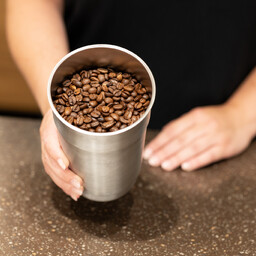
Tchibo has officially launched a reusable container system for coffee beans in Vienna and Graz, marking a significant step in the company’s efforts to reduce packaging waste. This new initiative allows customers to purchase loose coffee beans in specialized, returnable containers, which can then be brought back to participating stores for reuse. The program is designed to integrate into the daily routine of coffee drinkers while addressing the environmental impact of single-use coffee bags.
The rollout of this deposit system is part of a broader industry shift toward circular economy models, where retailers seek to minimize disposable materials. By focusing on Vienna and Graz, the company is targeting two of Austria’s largest urban markets, where consumer demand for sustainable shopping options has been consistently growing. This move follows ongoing discussions regarding waste reduction strategies in the retail sector, as highlighted by broader environmental initiatives reported by various European consumer advocacy groups.
How the Deposit System Works
The operational mechanics of the new system are designed for ease of use, prioritizing accessibility for the average shopper. Customers can purchase loose coffee beans that are dispensed directly into the reusable containers at participating locations. Once a container is empty, it can be returned to any participating branch, regardless of where the original purchase was made. This flexibility is a key component of the system, ensuring that customers are not tethered to a single store location when returning their empties.
The scope of the program covers the company’s range of loose coffee beans, allowing customers to choose their preferred varieties while participating in the waste-reduction scheme. By removing the need for traditional, non-recyclable multi-layer foil bags, the initiative aims to cut down significantly on the volume of waste generated by home coffee consumption. According to corporate sustainability guidelines published by major retailers, such systems are often evaluated based on their ability to maintain product freshness and hygiene standards during the transition to reusable packaging.
Sustainability and Retail Impact
The environmental impact of coffee packaging has long been a subject of scrutiny in the food industry. Traditional coffee bags are often composed of mixed materials, making them difficult to process in standard recycling facilities. By introducing a durable, reusable container, the current initiative aims to address this bottleneck directly. This approach aligns with broader European Union efforts to encourage retail sectors to adopt more sustainable packaging solutions, as outlined in recent legislative frameworks concerning packaging and waste management, according to the European Commission’s official portal on the circular economy.

For the consumer, the transition represents a change in shopping habits that requires a slightly higher level of engagement. However, the convenience of the return-anywhere policy is intended to mitigate the friction typically associated with deposit systems. As the program settles into its initial phase in Vienna and Graz, the company is expected to monitor participation rates and logistics to determine the feasibility of a wider expansion across its regional network.
What Happens Next
The initiative is currently active, and customers in the affected cities can begin using the system immediately. Future developments will depend on the public adoption rate and the efficiency of the return logistics. As of June 2026, there have been no further announcements regarding an expansion to other Austrian cities or international markets; however, the company continues to update its store locator and service information on its official digital platforms. Observers in the retail and sustainability sectors will be watching to see how these urban pilot programs influence future corporate policies regarding packaging reduction.
Readers interested in following the progress of this project or finding a participating store can check the latest updates on the official company website. We welcome your thoughts on whether this shift toward reusable packaging will change your own coffee-buying habits. Please share your experiences or questions in the comments section below.