
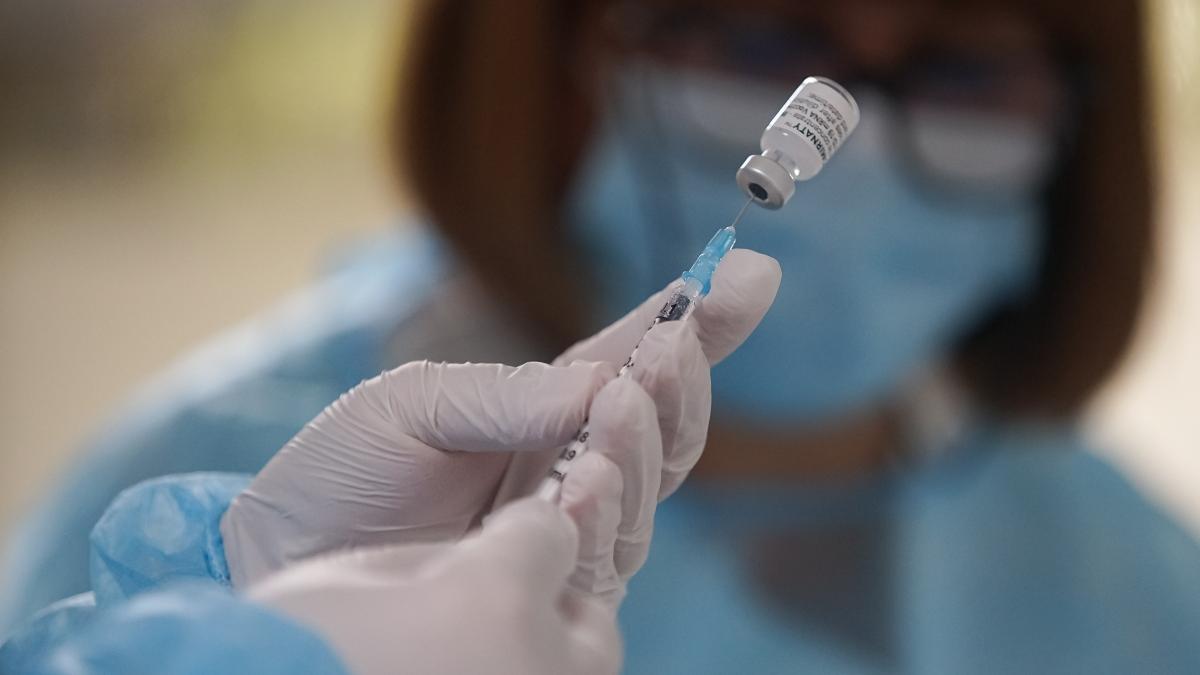
Researchers are investigating whether the Bacillus Calmette-Guérin (BCG) vaccine, a century-old treatment primarily used against tuberculosis, could offer a therapeutic benefit for patients living with type 1 diabetes. Clinical trials are currently assessing if the vaccine can modulate the immune system to preserve residual pancreatic function, according to findings published in journals such as Nature Partner Journals (npj) Vaccines and supported by ongoing studies at institutions like Massachusetts General Hospital.
For decades, the BCG vaccine has been a staple of global public health, primarily administered to prevent severe forms of tuberculosis. However, its potential application in autoimmune conditions like type 1 diabetes centers on its ability to induce “trained immunity,” a process where the innate immune system is primed to respond more effectively to future challenges. In the context of diabetes, the goal is to stop or slow the autoimmune destruction of insulin-producing beta cells in the pancreas.
The Mechanism of BCG in Autoimmune Response
The hypothesis behind using BCG for diabetes treatment relies on the induction of tumor necrosis factor (TNF), a cytokine that may help eliminate self-reactive T-cells—the immune cells responsible for attacking the pancreas in type 1 diabetes patients. According to research published by the National Institutes of Health (NIH), the BCG vaccine appears to trigger a metabolic shift in immune cells, moving them away from a state that promotes inflammation and toward one that supports regulation.

Unlike traditional immunosuppressive drugs, which often carry significant side effects by broadly dampening the immune system, the BCG approach aims to be more selective. Clinical investigators have observed that by modifying the immune profile, the vaccine may allow the pancreas to recover some level of endogenous insulin production. This is particularly relevant for patients who still retain a small percentage of functional beta cells, a state often referred to as “residual C-peptide production.”
Clinical Trial Progress and Current Findings
Several longitudinal studies have been conducted to evaluate the safety and efficacy of this treatment. A notable study led by Dr. Denise Faustman at Massachusetts General Hospital reported that participants receiving the BCG vaccine showed long-term stabilization of blood glucose levels, as measured by HbA1c, over several years of follow-up. These results suggest that the benefits may persist long after the initial administration of the vaccine.

However, the medical community remains cautious. While early data are promising, larger, multicenter phase 3 clinical trials are required to confirm these findings across diverse populations. The U.S. National Library of Medicine maintains records of these ongoing investigations, which are essential for determining the long-term safety profile and standardized dosing protocols for diabetic patients.
Potential Benefits and Limitations
If validated, the use of an existing, inexpensive vaccine could represent a significant shift in diabetes management. Because BCG has been used for over 100 years, its safety profile is well-documented in the context of tuberculosis prevention. Yet, applying it to autoimmune disease requires different considerations regarding dosage frequency and patient selection criteria.
Key considerations for patients and providers include:
- Target Population: Research is primarily focused on those with established type 1 diabetes rather than those at the very onset of the disease.
- Duration of Effect: Ongoing studies are tracking how long the “trained immunity” effect lasts and whether periodic boosters are necessary.
- Regulatory Status: The use of BCG for diabetes remains strictly experimental. It is not currently approved by the U.S. Food and Drug Administration (FDA) for the treatment of diabetes, and patients should not seek this treatment outside of authorized clinical trials.
What Happens Next for Diabetes Research
The next phase of research will focus on replicating these findings in broader clinical settings to ensure that the observed improvements in blood sugar control are consistent and reproducible. Researchers are currently analyzing data from multi-year follow-up periods to determine the long-term impact on the prevention of diabetes-related complications, such as neuropathy and retinopathy.
As the scientific community continues to review these data, the focus remains on rigorous, peer-reviewed evidence. Patients interested in participating in clinical research are encouraged to consult their endocrinologists or search the official ClinicalTrials.gov database for recruitment opportunities in their region. Updates on trial status are released periodically through institutional press offices and peer-reviewed medical journals.
Have you been following the developments in immunotherapy for diabetes? Share your thoughts or questions in the comments section below.