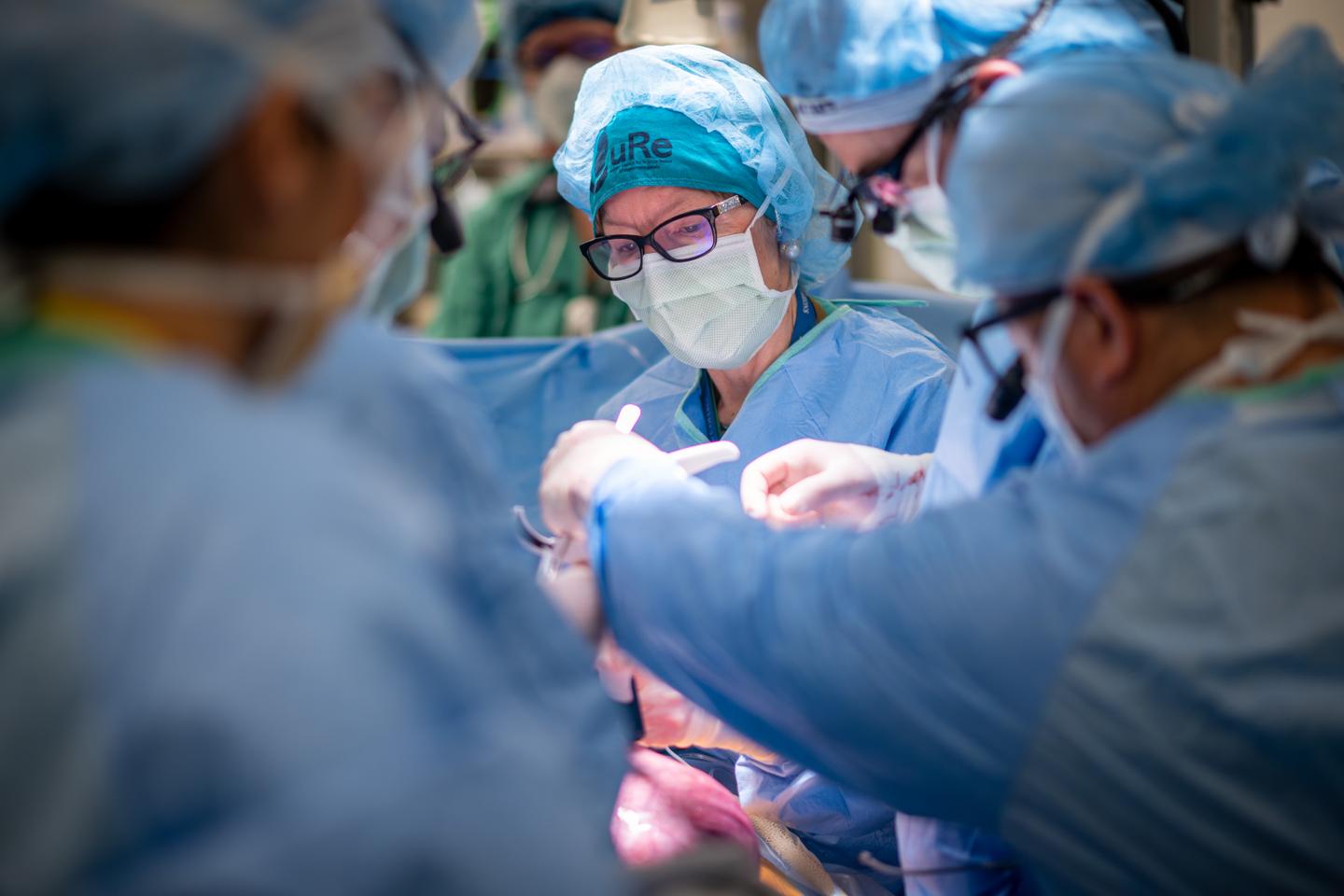
The landscape of prenatal care is shifting, offering new hope for families facing a diagnosis of spina bifida. A groundbreaking clinical trial, published in January 2026 in The Lancet, details the first-ever in utero treatment for the condition utilizing stem cells, administered during fetal surgery. This innovative approach, spearheaded by a team at UC Davis Health, represents a significant step forward in addressing a complex birth defect that affects thousands of children globally. While still early in its development, the trial demonstrates the feasibility and, crucially, the apparent safety of delivering stem cell therapy directly to the fetal spinal cord.
Spina bifida, meaning “split spine,” occurs when the spinal cord doesn’t close completely during the first month of pregnancy. This can result in a range of disabilities, including paralysis, bowel and bladder control issues, and cognitive difficulties. The severity varies depending on the location and extent of the opening. According to the Centers for Disease Control and Prevention (CDC), approximately 1,500 babies are born with spina bifida in the United States each year. Early detection through prenatal ultrasound, typically during the second trimester, is crucial for informed decision-making.
A Novel Approach: Stem Cells and Fetal Surgery
Traditionally, treatment for spina bifida has focused on post-natal surgical repair to close the opening in the spine. However, damage to the spinal cord often occurs *before* birth, and this damage is largely irreversible. The UC Davis trial, led by Dr. Diana L. Farmer, chair of the Department of Surgery at UC Davis and surgeon-in-chief of UC Davis Children’s Hospital, aims to mitigate this pre-birth damage. The procedure involves surgically accessing the fetal spine at around 24-28 weeks of gestation and delivering placental mesenchymal stem cells directly to the affected area. These cells, sourced from the placenta, possess regenerative properties and are thought to promote spinal cord repair.
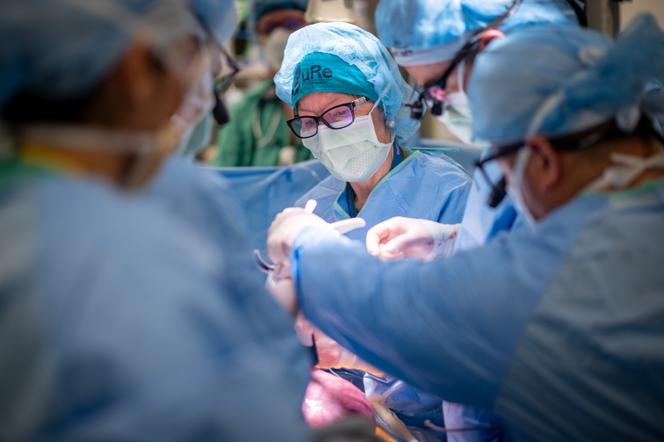
The initial findings, published in The Lancet, involved six participants. The study reports no serious adverse events related to the stem cell therapy. The children, now aged between three and four-and-a-half years, are being closely monitored to assess the long-term effects of the treatment. The trial, formally known as the “CuRe Trial: Cellular Therapy for In Utero Repair of Myelomeningocele,” is funded in part by a $9 million grant from the California Institute for Regenerative Medicine (CIRM). A total of 35 patients are expected to participate in the trial.
Understanding Myelomeningocele and Current Treatment Options
The most severe form of spina bifida is myelomeningocele, where the spinal cord protrudes through an opening in the back. This often leads to significant neurological deficits. While prenatal surgery to close the opening has been performed for years, the UC Davis trial adds the innovative element of stem cell therapy. The goal is to not only close the defect but also to promote regeneration of damaged nerve tissue, potentially improving neurological function. Currently, post-natal care for individuals with spina bifida is multidisciplinary, involving neurosurgeons, urologists, orthopedists, and physical therapists, and often requires lifelong management.
Early Results and Future Directions
The early results of the CuRe trial are encouraging, but researchers emphasize that it is too soon to draw definitive conclusions. Long-term follow-up is essential to determine the full extent of the benefits and potential risks of this novel therapy. Dr. Farmer’s team is now developing an allogeneic placental mesenchymal stem cell product, aiming to further refine the treatment protocol. The Food and Drug Administration (FDA) granted Investigational New Drug (IND) approval for this product in 2020, paving the way for the ongoing clinical trial.
The potential impact of this research extends beyond the immediate benefits to individual patients. If successful, this approach could significantly reduce the burden of spina bifida, lessening the necessitate for extensive post-natal care and improving the quality of life for affected individuals. The development of an “off-the-shelf” stem cell product, derived from placental tissue, could also make this therapy more accessible and affordable.
The Role of Prenatal Diagnosis
Accurate prenatal diagnosis remains a critical component of spina bifida management. The condition is often detected during routine prenatal ultrasound examinations, typically around 18-22 weeks of gestation. Following diagnosis, parents are offered detailed counseling regarding treatment options, including in utero surgery, post-natal repair, and expectant management. In many countries, including France, a high percentage of spina bifida cases are detected prenatally, with over 95% detection rates reported. However, the decision to pursue any intervention is deeply personal and should be made in consultation with a qualified medical team.
The ongoing CuRe trial represents a beacon of hope for families affected by spina bifida. While challenges remain, the innovative use of stem cell therapy in utero holds the promise of a brighter future for children born with this complex condition. Patient enrollment in the CuRe trial is currently underway, and researchers anticipate continued monitoring and data analysis over the coming years. The next major milestone will be the completion of enrollment and the release of comprehensive long-term outcome data, expected in late 2028.
Do you have experience with spina bifida or prenatal care? Share your thoughts and questions in the comments below. And please, share this article with anyone who might find this information valuable.