
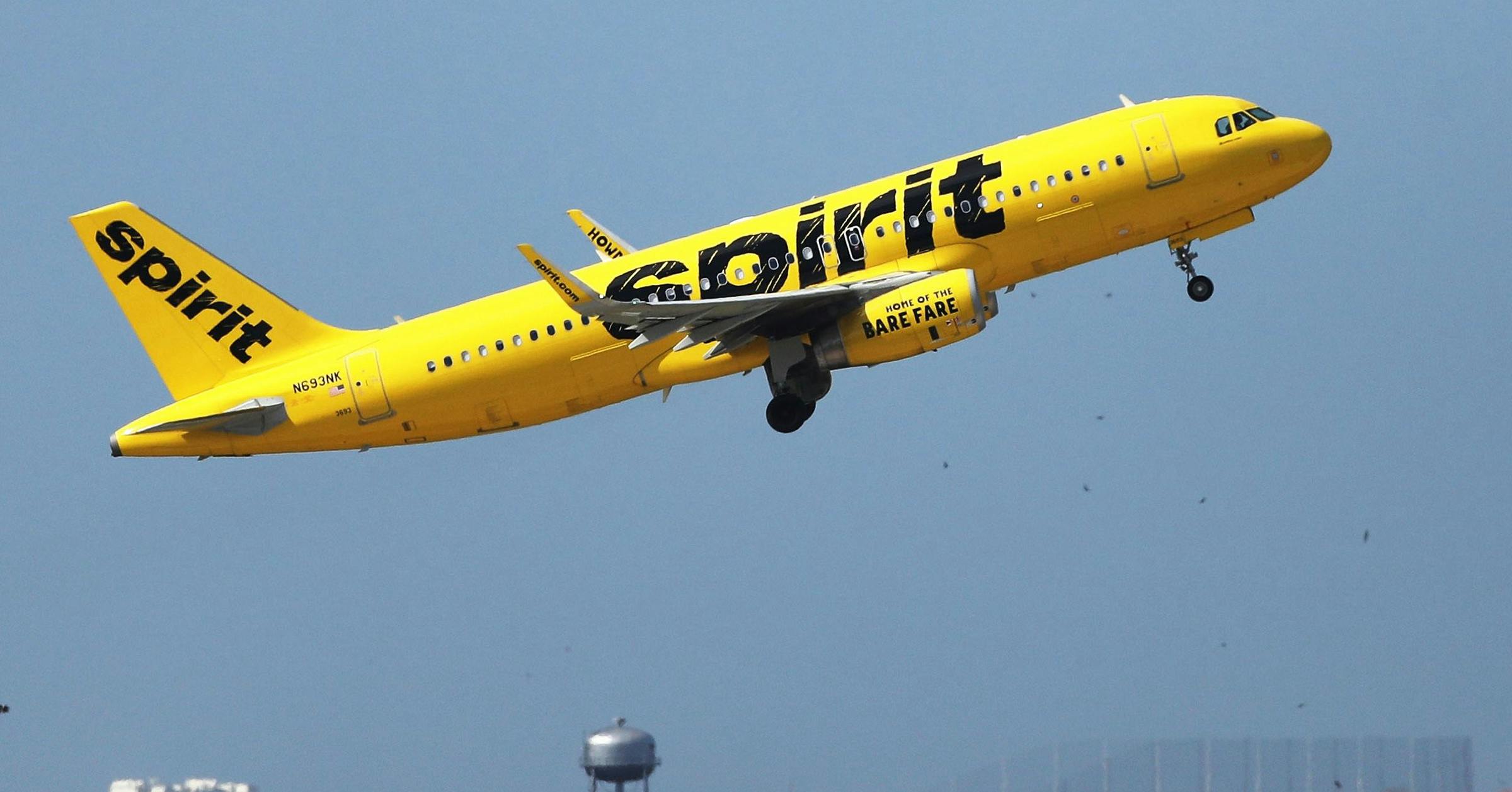
Spirit Airlines’ Strategic Retreat: Analyzing the MSP & Bradley Airport Closures
the recent declaration that spirit Airlines will cease operations at Minneapolis-St. Paul International Airport (MSP) adn Bradley International Airport in Connecticut by December 1st marks a significant shift in the airline’s strategy. This isn’t an isolated incident; it’s part of a broader restructuring following the airline’s bankruptcy filing, impacting service across a dozen other US airports. but what’s driving this pullback, and what does it mean for travelers and the future of budget air travel? This article delves into the complexities of Spirit’s decision, examining the contributing factors, potential consequences, and what passengers can expect. We’ll explore the airline’s financial challenges, the evolving landscape of low-cost carriers, and the implications for regional connectivity.
Understanding the Restructuring & Capacity Reduction
Did You Know? Spirit Airlines filed for Chapter 11 bankruptcy protection in January 2024, citing challenging market conditions and difficulties with aircraft deliveries.
Spirit Airlines’ decision to withdraw from MSP and Bradley isn’t simply about underperforming routes. It’s a calculated move within a larger “ongoing restructuring” plan. An internal memo, reported by the Minnesota Star Tribune, revealed a planned “25 percent year-over-year capacity reduction.” This considerable cutback signals a strategic pivot towards focusing on the airline’s most profitable markets.
This restructuring is largely a response to several converging pressures:
* Financial Strain: The bankruptcy filing underscores the airline’s precarious financial position.High debt levels, coupled with rising fuel costs and competitive pressures, have significantly impacted profitability.
* Aircraft Delivery Delays: Delays in receiving new Airbus aircraft have hampered Spirit’s ability to expand and maintain its existing network. (Source: Reuters – February 29, 2024)
* Increased Competition: The low-cost carrier market is becoming increasingly crowded, with airlines like Frontier and Allegiant competing for the same budget-conscious travelers.
* Post-Pandemic Travel Shifts: Changing travel patterns and consumer preferences post-pandemic have also played a role, impacting demand on certain routes.
Impact on Travelers & Regional Airports
The closure of Spirit Airlines service at MSP and Bradley will undoubtedly affect travelers who rely on the airline’s low fares. While Spirit has stated it will offer refunds to passengers with affected reservations, the loss of a budget option could lead to higher ticket prices on remaining carriers.
Pro Tip: If you have a Spirit Airlines flight booked to or from MSP or Bradley after December 1st, proactively contact the airline to confirm your refund options and explore alternative travel arrangements.
Furthermore, regional airports often benefit significantly from the presence of low-cost carriers like Spirit. These airlines can stimulate demand and increase passenger traffic. The withdrawal of Spirit could lead to reduced connectivity and economic impact for the surrounding communities.
Here’s a quick comparison of the impact:
| Aspect | Impact at MSP/Bradley | Potential Wider Implications |
|---|---|---|
| Ticket Prices | Likely increase due to reduced competition | Potential for broader fare increases on regional routes |
| Passenger Choice | Reduced options for budget travelers | Consolidation of the low-cost carrier market |
| Airport Revenue | Decrease in landing fees and passenger spending | Potential impact on airport infrastructure investments |
The Future of Low-Cost Air Travel & Spirit’s Strategy
spirit Airlines’ restructuring raises broader questions about the future of low-cost air travel.Is this a temporary correction, or a sign of deeper challenges within the industry?
the airline is attempting to refocus on its core strengths – high-density routes and ancillary revenue (fees for baggage, seat selection, etc.). by streamlining





![Early Type 1 Diabetes Detection: Symptoms & Prevention [Podcast]](https://i0.wp.com/kevinmd.com/wp-content/uploads/Design-2-scaled.jpg?resize=150%2C100&ssl=1 "Early Type 1 Diabetes Detection: Symptoms & Prevention [Podcast]")