
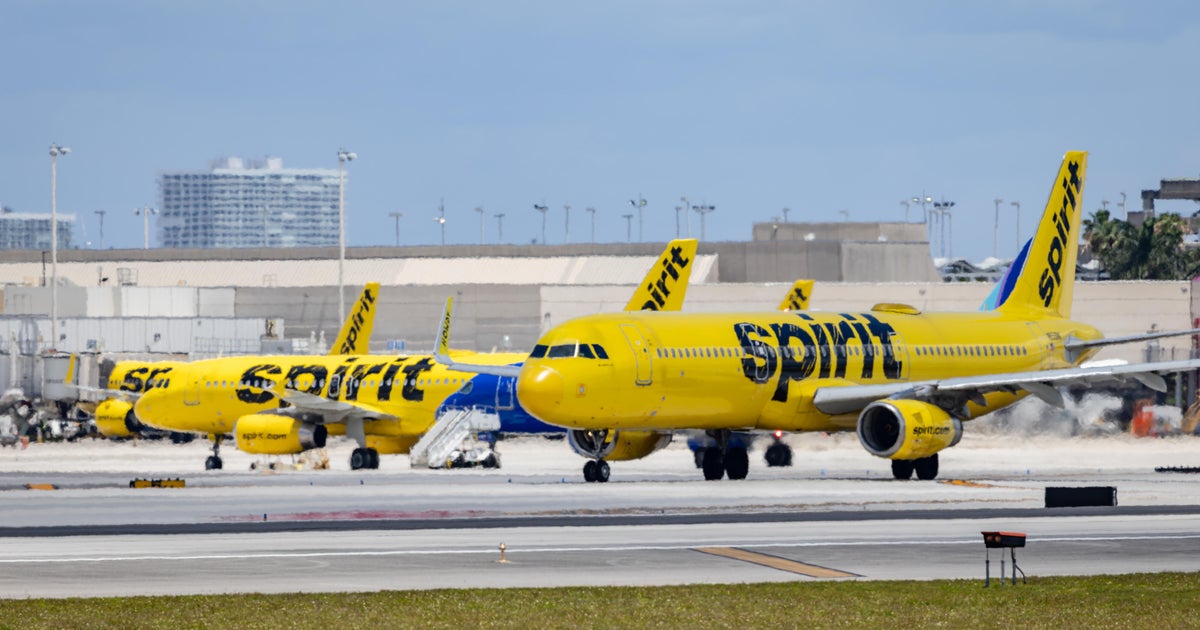
The American aviation landscape suffered a seismic shift on Saturday, May 2, 2026, as Spirit Airlines officially ceased all operations. The budget carrier, known for its signature yellow aircraft and ultra-low-cost model, announced an immediate wind-down of its business after a final, high-stakes effort to secure a federal rescue deal collapsed.
In a statement released early Saturday morning, Spirit Aviation Holdings, Inc., the parent company of the airline, regretfully announced
that it had started an orderly wind-down of operations, effective immediately
. The airline issued a stark directive to its customers: All Spirit flights have been cancelled, and Spirit Guests should not proceed to the airport
. Official company filings confirm that the company will automatically process refunds for any flights that were already paid for.
The collapse follows a period of extreme financial volatility and a failed attempt to secure a $500 million federal bailout from the Trump administration. The failure of these negotiations served as the final blow for a company that had been struggling under the weight of surging jet fuel prices and mounting debt, having filed for bankruptcy twice since 2024. Reporting from NPR indicates that the airline’s inability to reach a deal with the White House left it with no viable path toward restructuring.
The Failed Rescue Deal and Government Stance
The central point of the airline’s final struggle was a request for a $500 million lifeline. Spirit had hoped this infusion of capital would allow it to restructure its debt and survive a brutal economic environment characterized by high oil costs. However, the U.S. Government ultimately declined to provide the rescue package.

U.S. Transportation Secretary Sean Duffy addressed the collapse during a news conference on Saturday, May 2, making it clear that the administration would not be intervening to save low-cost carriers. Duffy stated that he does not believe the government needs to provide financial lifelines to budget airlines, even as some in the sector sought up to $2.5 billion in collective relief due to fuel price spikes. Secretary Duffy’s comments signaled a strict adherence to market-driven outcomes over government intervention in the aviation sector.
Industry analysts suggest that Spirit’s failure is a cautionary tale of the “ultra-low-cost carrier” (ULCC) model’s vulnerability to external shocks. When fuel prices rise sharply, airlines with thin margins and a reliance on high volume—like Spirit—are the first to perceive the pressure. Without a government safety net or a private equity buyer, the company’s 33-year history came to an abrupt end.
Impact on Passengers: The Rise of ‘Rescue Fares’
The suddenness of the shutdown left thousands of travelers stranded across North America and the Caribbean. With flights cancelled without warning, passengers were forced to scramble for alternative transportation, leading to a surge in demand for last-minute bookings on competing airlines.
In response to the crisis, several carriers introduced what are being called rescue fares
—deeply discounted tickets specifically designed to assist stranded Spirit passengers. Frontier Airlines, a direct competitor in the budget space, announced on May 2 that it would offer up to 50% off base fares for affected travelers using the promo code SAVENOW. Frontier’s announcement noted that the carrier serves more than 100 routes previously operated by Spirit.
Other major carriers, including Atlanta-based Delta Air Lines, similarly stepped in to offer discounted rescue fares. These initiatives are intended to mitigate the logistical chaos of the shutdown, though travelers are cautioned that these fares are available for a limited time and are subject to availability.
What Stranded Passengers Should Do Now
For those currently affected by the Spirit Airlines closure, the following steps are recommended:
- Monitor Email and Official Channels: Spirit has stated that refunds will be processed automatically, but passengers should keep a record of all booking confirmations and payment receipts.
- Check for Rescue Fares: Look for specific “rescue” promotions from carriers like Frontier and Delta to find discounted alternative flights.
- Contact Credit Card Providers: If refunds are delayed, passengers who paid via credit card may be able to initiate a chargeback for services not rendered.
- Avoid the Airport: As emphasized by the airline, do not travel to the airport for cancelled Spirit flights, as ground operations have ceased.
The Aftermath for Employees and the Industry
The human cost of the shutdown is significant. Thousands of employees—from pilots and flight attendants to ground crews and corporate staff—have lost their jobs overnight. The sudden nature of the wind-down has left the workforce reeling, with many facing immediate unemployment without the typical transition period associated with a corporate bankruptcy reorganization.

The closure of Spirit Airlines represents more than just the loss of a single company; it marks a potential shift in the U.S. Aviation market. For years, the ULCC model forced legacy carriers to lower their prices to remain competitive. With one of the largest players in this segment gone, there are concerns that ticket prices for budget-conscious travelers may rise as competition decreases.
the administration’s refusal to provide a bailout sets a firm precedent for other struggling airlines. By signaling that the government will not intervene to save failing budget carriers, Secretary Duffy has placed the onus of survival entirely on the airlines’ ability to manage their own financial risks and operational efficiencies.
Spirit Airlines Shutdown: Key Facts at a Glance
| Detail | Information |
|---|---|
| Date of Closure | Saturday, May 2, 2026 |
| Primary Cause | Failed $500 million government rescue deal and high fuel costs |
| Immediate Action | All flights cancelled; orderly wind-down of operations |
| Passenger Relief | Automatic refunds and “rescue fares” from other airlines |
| Government Position | No federal bailouts for low-cost carriers (Sec. Sean Duffy) |
As the industry absorbs the shock of this collapse, the focus now shifts to the legal proceedings surrounding the wind-down. While the airline has promised automatic refunds, the actual timeline for those payments remains a critical point of concern for consumers.
The next confirmed checkpoint will be the filing of formal bankruptcy proceedings or the release of a detailed liquidation timeline by Spirit Aviation Holdings, which is expected in the coming days. We will continue to monitor these filings to provide updates on refund timelines and employee severance.
Do you have a flight affected by the Spirit Airlines shutdown? Share your experience or questions in the comments below to help other travelers navigate this crisis.