
Sports diplomacy, once considered a soft-power bridge for international reconciliation, currently faces a period of heightened skepticism as global political tensions constrain the traditional role of athletic competition in statecraft. According to research from the Council on Foreign Relations, the historical assumption that international sporting events inherently foster peace is increasingly challenged by state actors who utilize these platforms to project national strength or influence geopolitical narratives.
The intersection of global athletics and international relations remains a complex terrain where the idealism of the Olympic truce often clashes with the pragmatic, and sometimes aggressive, pursuit of national interests. While proponents argue that events like the FIFA World Cup or the Olympic Games provide a rare space for dialogue between otherwise adversarial nations, critics point to the rising phenomenon of “sportswashing”—a term used by organizations such as Amnesty International to describe the use of sports to burnish the reputations of governments accused of human rights abuses.
The Evolution of Sports Diplomacy in Modern Geopolitics
The traditional model of sports diplomacy relies on the belief that personal interactions between athletes and the visibility of international competition can erode prejudice and encourage mutual understanding. However, the contemporary landscape is defined by what some analysts describe as a “realist” turn. Governments are increasingly viewing hosting rights for major tournaments as strategic assets, according to reports published by the World Economic Forum. This shift has led to a more transactional approach, where diplomatic gains are calculated against the high costs of infrastructure and the potential for domestic political fallout.

For instance, the selection of host nations for global competitions has become a focal point of intense scrutiny regarding the alignment of sporting values with national policy. When nations with divergent political systems host these events, the resulting diplomatic friction often outweighs the intended benefits of cultural exchange. The Transparency International organization has frequently highlighted how the lack of oversight in the bidding process for major sporting events can exacerbate risks of corruption and undermine the credibility of international sports governing bodies.
Challenges to the “Neutral Ground” Doctrine
The concept of “neutral ground” is under pressure as internal political mandates increasingly bleed into international athletic venues. Athletes are no longer just representatives of their sport; they are often viewed as extensions of their home nations’ diplomatic apparatus. This dynamic complicates the efforts of organizations like the International Olympic Committee (IOC), which maintains a charter committed to political neutrality, yet frequently finds itself at the center of international disputes.
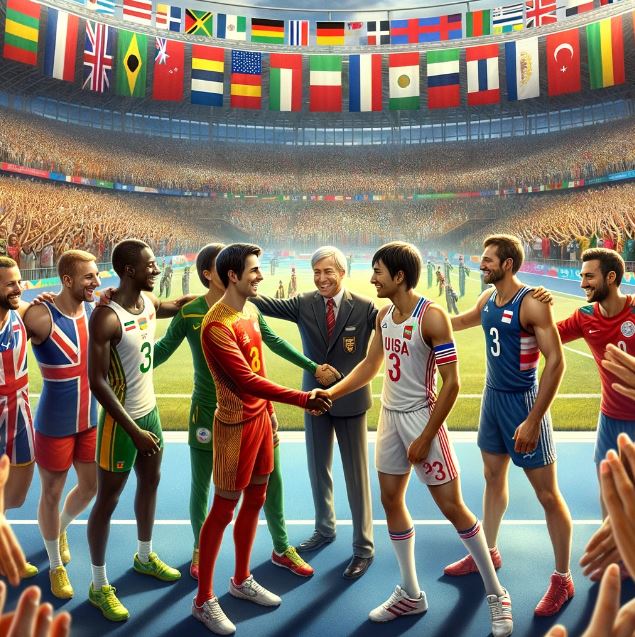
Recent conflicts have forced a re-evaluation of how international federations handle the participation of athletes from countries involved in active military aggression. The decision-making process, often criticized for being reactive rather than proactive, highlights the difficulty of maintaining a unified standard in a fragmented global political environment. As noted by the Chatham House think tank, the traditional separation of sports and state is becoming increasingly untenable as national leaders leverage sporting success to bolster domestic approval ratings and international standing.
Economic and Political Implications for Future Hosting
The economic stakes of hosting major international sporting events have reached unprecedented levels, creating a high-risk environment for host cities and nations. According to data from the International Monetary Fund, the long-term economic benefits of hosting mega-events are frequently overstated, with many host nations facing significant debt burdens long after the closing ceremony. This economic reality is now forcing a shift in how nations approach the prospect of bidding for future events.
There is a growing trend toward “co-hosting” models, which aim to distribute the financial and logistical burden across multiple countries. This strategy is also a diplomatic calculation, as it forces regional cooperation and creates a shared stake in the success of the event. However, this does not eliminate the underlying mistrust that characterizes current international relations. The success of these collaborative efforts remains contingent on the ability of involved nations to set aside broader geopolitical grievances in favor of operational efficiency.
What Happens Next?
The next major checkpoint for the intersection of sports and global diplomacy will occur during the upcoming international sporting summits scheduled for late 2024 and 2025. These events will serve as a barometer for whether the current trend of fragmentation continues or if there is a renewed interest in utilizing sports as a genuine tool for diplomatic de-escalation. International observers are currently monitoring the United Nations’ International Day of Sport for Development and Peace updates for any shifts in how global institutions frame the role of athletics in the coming decade.
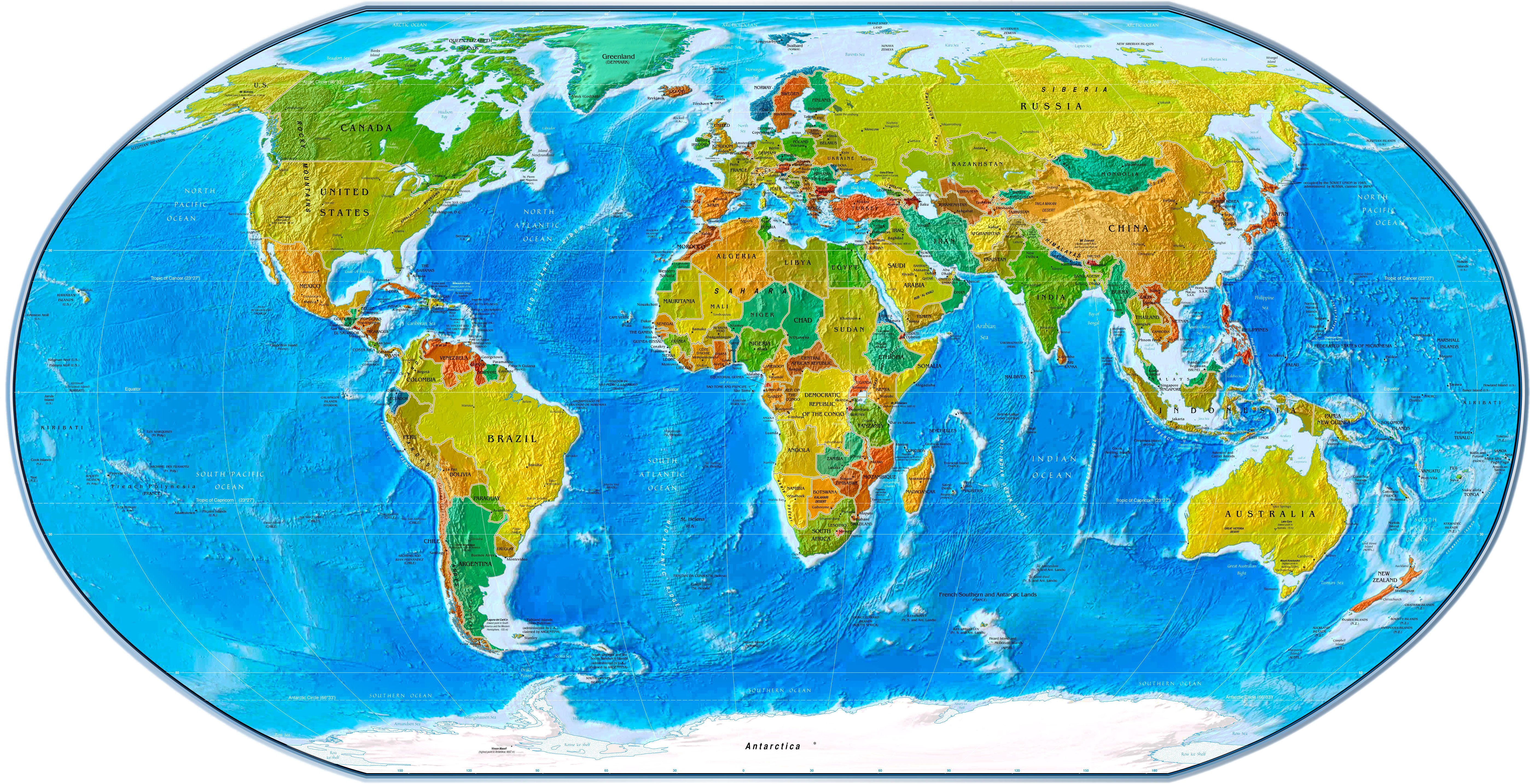
As the landscape continues to evolve, the ability of sports to act as a neutral arbiter remains in question. Whether these events can return to their roots as catalysts for unity or will remain permanent fixtures of geopolitical maneuvering remains the central debate for policymakers and sports administrators alike. We encourage readers to share their perspectives on this shift in the comments section below and follow our ongoing coverage of the intersection between global markets and international policy.
Worth a look