The Enduring Threat: How Organized Crime Continues to Target Athletes and Exploit the World of Sports Betting
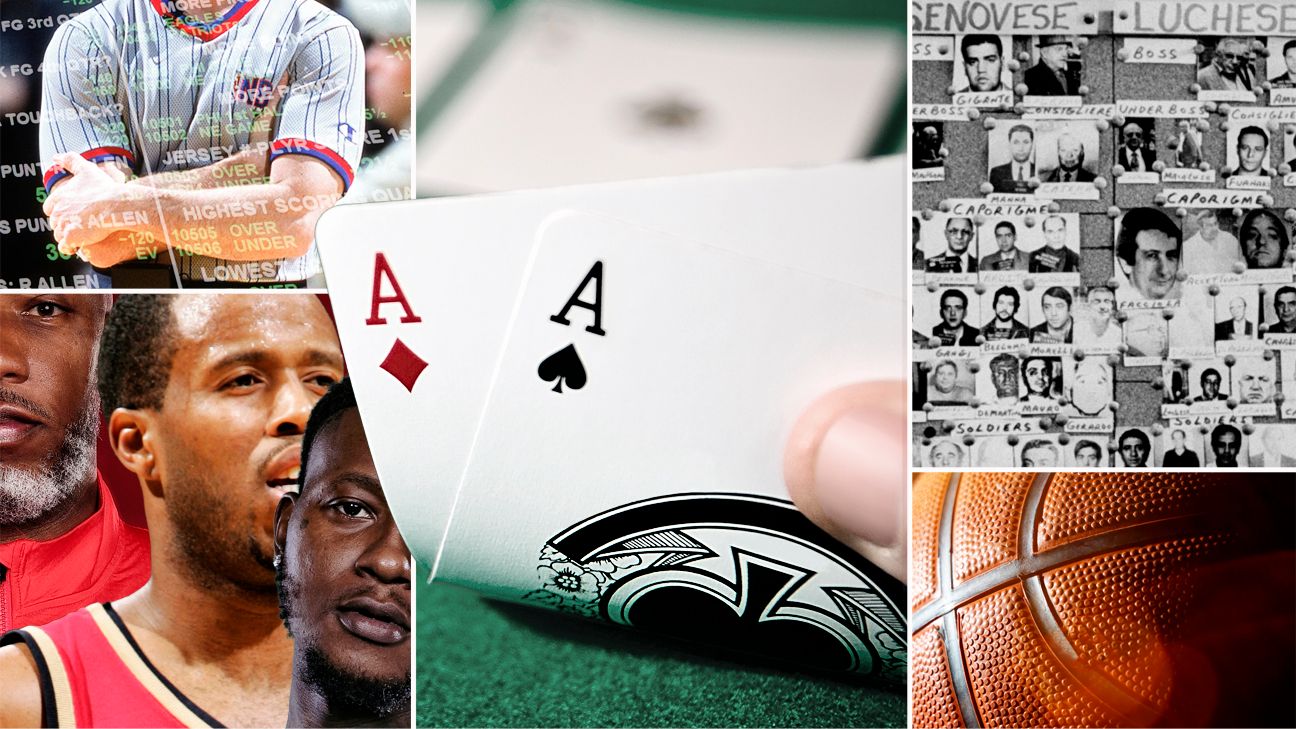
For decades, the allure of rapid riches and the competitive spirit of athletes have made them prime targets for exploitation by organized crime. While the image of the Mafia may have evolved, its interest in sports – and the lucrative opportunities it presents – remains remarkably consistent. Recent allegations involving NBA players, coaches, and a high-stakes poker scheme underscore a troubling reality: the vulnerabilities of athletes to predatory gambling practices haven’t diminished, even in the age of legalized sports betting.
A History of Exploitation: From Point Shaving to Referee Bribery
The connection between organized crime and sports isn’t a recent phenomenon. Former mobster michael Franzese, who now dedicates his time to educating sports leagues and the NCAA about gambling risks, explains the core appeal.”What people don’t understand about some athletes is that gambling is an extension of their competitive spirit. They want to raise the stakes.” This inherent drive, coupled with financial inexperience and the temptations of a lavish lifestyle, creates a dangerous combination.
The history is rife with examples. In the 1960s, the promising careers of Hall of Famers Connie Hawkins and Roger Brown were shadowed by associations with jack Molinas, a mob-linked figure who acted as a fixer. Though never formally charged, the damage to their reputations and opportunities was meaningful.
The late 1970s saw a brazen attempt to manipulate collage basketball scores at Boston College, orchestrated by Henry Hill and Jimmy “the Gent” Burke – figures later immortalized in the film Goodfellas. Their strategy, meticulously avoiding direct influence on game outcomes and focusing on manipulating the point spread, demonstrated a elegant understanding of betting markets and a calculated effort to evade detection.Edward A. McDonald,the prosecutor who successfully brought the case,notes the insidious nature of the approach: “People who want to fix games would make it their business to cultivate relationships so these kids would be beholden to them. They make sure they are kind with these kids, and the next thing you know they are in their world.”
The corruption wasn’t limited to basketball. In the mid-2000s, the NBA was rocked by the Tim Donaghy scandal, where a referee admitted to betting on games he officiated and leaking insider information to gamblers with ties to organized crime. Even individual sports like tennis and boxing, with their inherent vulnerabilities in judging and officiating, have been periodically targeted by mob activity, from fixed fights in Las vegas to match manipulation on international betting exchanges.
The Mafia Evolves, But the Gamble Remains Profitable
While the conventional image of the Mafia – characterized by overt violence and territorial control – may be fading, experts emphasize that the association hasn’t disappeared. Franzese believes the mafia has become more sophisticated, prioritizing less visible, more financially driven operations. “I don’t believe they’re at the apex of power like we were during our time,” he says, “But they’re not going away.”
And gambling remains a cornerstone of their illicit revenue streams. Despite the rapid expansion of legal sports betting, the allure of underground betting persists. Investigative reporter Dan E. Moldea, author of the seminal 1989 book Interference: How Organized Crime Influences Professional Football, predicted this very scenario decades ago. He argued that the proliferation of legal betting would actually fuel illegal gambling, as individuals seek higher payouts and credit access from illicit bookmakers. “You can get a bigger bang for your buck from Charlie, the friendly neighborhood mob bookmaker at the corner bar,” Moldea explained, “And Charlie will give you credit.”
Financial Vulnerabilities and the Modern Scheme
The recent case involving NBA players, coach Chauncey Billups, and an alleged poker scheme highlights the continuing relevance of these risks. The case centers around allegations that players were recruited into a high-stakes poker game with potentially problematic connections.
The financial realities of professional athletes,even those earning ample incomes,contribute to their vulnerability.Many athletes face short careers and often struggle with financial management. records reveal that one player involved in the current inquiry, has filed for bankruptcy twice, accumulating significant debt - including over $47,000 owed to the Bellagio casino in Las vegas.
A desperate text message obtained by investigators paints a stark picture of the financial pressures faced by some athletes.The player allegedly pleaded for a $10,000 advance, stating, ”GOD really blessed me that u have action for me cause I needed it today bad.” This desperation underscores the potential for exploitation by those offering seemingly easy money.
Protecting the Integrity of the Game
Keep reading