Austria Weighs the Future of Fuel Price Brakes as April Deadline Looms
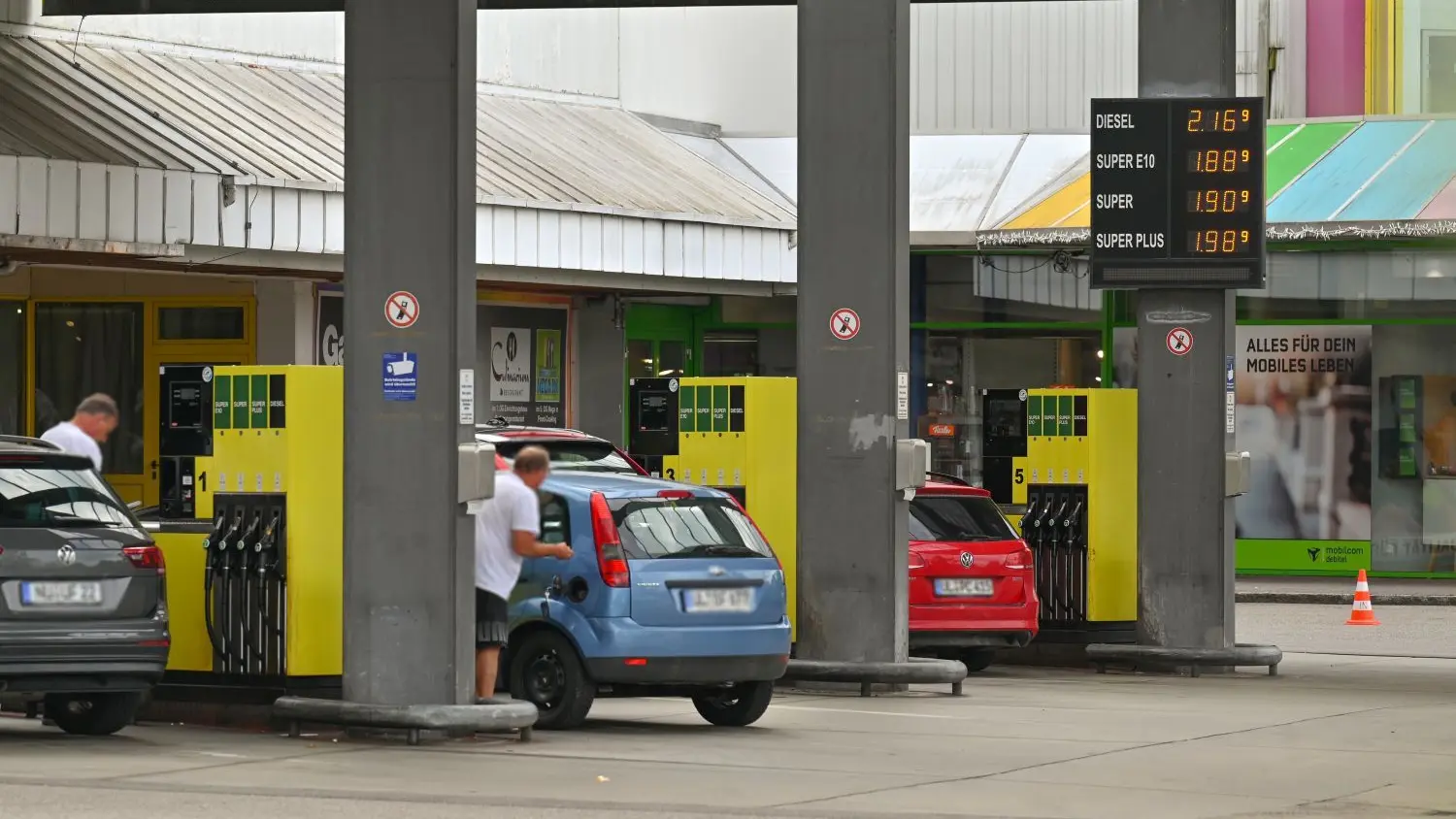
Vienna – As the conclude of April approaches, the Austrian government is locked in debate over whether to extend its fuel price brake, a measure implemented to shield consumers from soaring energy costs. The current scheme, which provides a reduction of 10 cents per liter, is set to expire, leaving motorists facing the prospect of significantly higher prices at the pump. While the government acknowledges the international pressures driving up fuel costs, disagreements persist regarding the effectiveness and fairness of the current intervention, with concerns raised about potential market distortions and supply issues. The future of the Spritpreisbremse remains uncertain, prompting calls from both consumer groups and industry representatives for a swift resolution.
The fuel price brake was initially introduced in response to the energy crisis triggered by geopolitical events, aiming to mitigate the impact of rising crude oil prices on Austrian consumers. According to a press release from the Austrian Federal Ministry for Climate Action, Energy, Mobility, Innovation and Technology on March 31, 2026, the measure was designed to prevent “unrestrained inflation” and provide a “targeted, temporary and responsible damping of pure crisis margins.” The government initially lowered the mineral oil tax by 5 cents per liter, with the remaining 5 cents covered by increased revenue from value-added tax due to the higher fuel prices. However, the effectiveness and sustainability of this approach are now under scrutiny as the initial period nears its end.
Industry Concerns Over Market Distortion
A key point of contention revolves around the impact of the price brake on competition within the fuel retail sector. Jürgen Roth, Chairman of the Energy Trade Association within the Austrian Federal Economic Chamber (WKÖ), has repeatedly criticized the regulation, arguing that it “massively distorts competition in favor of large, vertically integrated corporations.” Roth contends that larger fuel stations and intermediaries can procure fuel at lower wholesale prices, while smaller, independent stations struggle to remain profitable. “The regulation must be suspended or fundamentally revised so that the energy trade can even survive,” Roth stated in a recent press release, warning of potential supply shortages if the situation is not addressed. VOL.AT reported on these concerns on April 29, 2026.

The core of the issue lies in the structure of the Austrian fuel market. Vertically integrated companies control various stages of the supply chain, from oil refining to distribution and retail. This allows them to absorb the impact of the price brake more easily than smaller, independent operators who rely solely on retail sales. Roth’s argument suggests that the current system inadvertently subsidizes larger companies at the expense of smaller businesses, potentially leading to consolidation and reduced consumer choice.
Consumer Groups Advocate for Extension
Despite the industry concerns, consumer advocacy groups are largely in favor of extending the fuel price brake. The Austrian Automobile, Touring and Sport Club (ÖAMTC) has voiced its support for a continuation of the measure, citing persistently high fuel prices. According to the ÖAMTC, net fuel prices were more than 30 percent higher compared to two months prior, with diesel prices up around 50 percent, based on data from the European Commission. This data underscores the continued financial burden on Austrian drivers, particularly those in rural areas who rely heavily on personal vehicles.
Alois Schroll, energy spokesperson for the Social Democratic Party of Austria (SPÖ), echoed the ÖAMTC’s sentiment, stating, “If something works incredibly well, then Try to keep it.” Schroll pointed to the fact that fuel prices in Austria have fallen more sharply in the past two weeks than in any other EU neighboring country as evidence of the price brake’s success. This claim suggests that the intervention has effectively shielded Austrian consumers from the full extent of international price increases.
Government Weighs Options and Potential Adjustments
The Austrian government is currently engaged in negotiations with various stakeholders to determine the best course of action. While a straightforward extension of the current scheme appears unlikely, several alternatives are being considered. These include a phased reduction of the price brake, a targeted extension for specific groups (such as commuters or low-income households), or a complete abolition of the measure. Heute.at reported that the government is grappling with both extending and potentially weakening the current measures.
Energy Minister Wolfgang Hattmannsdorfer emphasized the government’s commitment to mitigating the impact of the international crisis on Austrian consumers. He stated that while preventing rising international fuel prices is beyond Austria’s control, the government can act to prevent “unrestrained inflation.” Finance Minister Markus Marterbauer added that the temporary reduction in mineral oil tax has a dampening effect on fuel prices and ensures that increased VAT revenues benefit drivers. State Secretary Sepp Schellhorn highlighted the importance of energy sovereignty and the rapid expansion of renewable energies in Europe as long-term solutions to price stability.
The Legal Framework and Recent Amendments
The implementation of the fuel price brake was made possible by recent amendments to both the Mineral Oil Tax Act and the Price Act, which were approved by the Austrian Parliament with the necessary two-thirds majority. These amendments granted the federal government the authority to intervene temporarily in the market through regulations in response to “extraordinary market shifts.” This legal framework provides the government with the flexibility to respond to evolving energy market conditions, but similarly underscores the need for careful consideration of the potential consequences of any intervention.
Strebl, the head of the Austrian authorities, emphasized the need to control the reductions implemented by the price brake, as reported by Kleine Zeitung. This statement suggests a focus on ensuring the effectiveness and transparency of the measure, as well as preventing potential abuses.
What Does This Signify for Austrian Motorists?
The potential expiration of the fuel price brake raises concerns about a potential price shock for Austrian motorists. Without the 10-cent-per-liter reduction, fuel prices could rise significantly, impacting household budgets and potentially dampening economic activity. The extent of the price increase will depend on global oil market developments and the government’s final decision regarding the future of the scheme. The uncertainty surrounding the situation is prompting many drivers to closely monitor fuel prices and adjust their driving habits accordingly.
The debate over the fuel price brake highlights the complex challenges facing governments in navigating the energy transition. Balancing the need to protect consumers from rising costs with the imperative to maintain a competitive and sustainable energy market requires careful consideration of various factors. The Austrian government’s decision will likely set a precedent for future energy policy interventions and could influence similar debates in other European countries.
Key Takeaways
- The Austrian fuel price brake, which provides a 10-cent-per-liter reduction, is set to expire at the end of April 2026.
- Industry representatives argue the scheme distorts competition, favoring larger fuel companies.
- Consumer groups advocate for an extension, citing persistently high fuel prices.
- The government is considering various options, including a phased reduction, targeted extension, or complete abolition.
- Recent legal amendments granted the government the authority to intervene in the market through regulations.
The coming weeks will be crucial as the Austrian government finalizes its decision on the future of the fuel price brake. Further updates and announcements are expected following ongoing negotiations with stakeholders. Motorists and industry observers alike will be closely watching for developments that could significantly impact the Austrian fuel market. Readers are encouraged to share their thoughts and experiences in the comments section below.
Related reading