
Tensions Remain High as U.S.-Israel Conflict with Iran Enters Third Month
The conflict between the United States and Israel against Iran entered its third month on Wednesday, April 29, 2026, amid continued volatility in the Middle East. Initiated on February 28, 2026, with a series of aerial bombardments, the war has triggered a complex web of retaliatory strikes and heightened regional tensions, including concerns over vital shipping lanes. Whereas a fragile ceasefire is currently in effect, its stability is being tested by ongoing incidents, particularly in Lebanon and around the Strait of Hormuz. The Pentagon estimates the conflict has already cost the United States $25 billion, primarily in munitions.
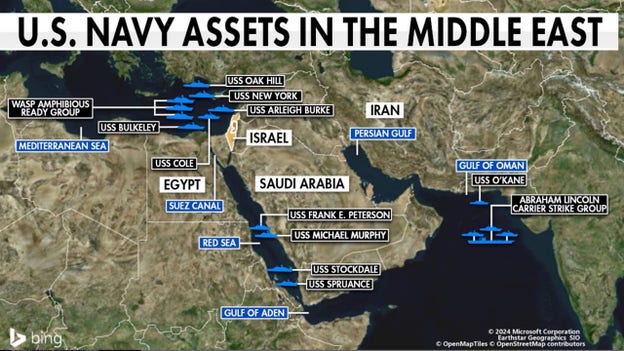
The current situation is characterized by a delicate balance between de-escalation efforts and continued military posturing. The United States and Israel have maintained a focus on Iranian military infrastructure, while Iran and its proxies have responded with attacks targeting regional allies of the U.S. And Israel. The conflict’s impact extends beyond direct military engagements, with significant economic consequences, particularly concerning global oil prices and maritime trade. The potential for wider regional escalation remains a serious concern for international observers.
Escalation and Ceasefire Challenges
Recent developments have highlighted the fragility of the current ceasefire. The Islamic Revolutionary Guard Corps (IRGC) reportedly halted maritime traffic through the Strait of Hormuz following what it claimed was an Israeli violation of the ceasefire in Lebanon. The White House has stated that the ceasefire will continue only if the Strait of Hormuz remains open, underscoring the strategic importance of this vital waterway for global energy supplies. The Strait of Hormuz, a narrow passage between Iran and Oman, is a critical chokepoint for approximately 20% of the world’s oil supply, according to the U.S. Energy Information Administration. https://www.eia.gov/international/analysis/briefings/hormuz
Simultaneously, operations against Hezbollah in Lebanon are excluded from the ceasefire agreement, according to both the Trump administration and Israeli Prime Minister Benjamin Netanyahu. Reports from the Lebanese Ministry of Health indicate at least 182 people were killed and hundreds injured in a single day of fighting in Lebanon, demonstrating the continued intensity of the conflict in that region. The situation in Lebanon adds another layer of complexity to the overall conflict, raising concerns about a potential humanitarian crisis and further regional destabilization.
Diplomatic Efforts and International Involvement
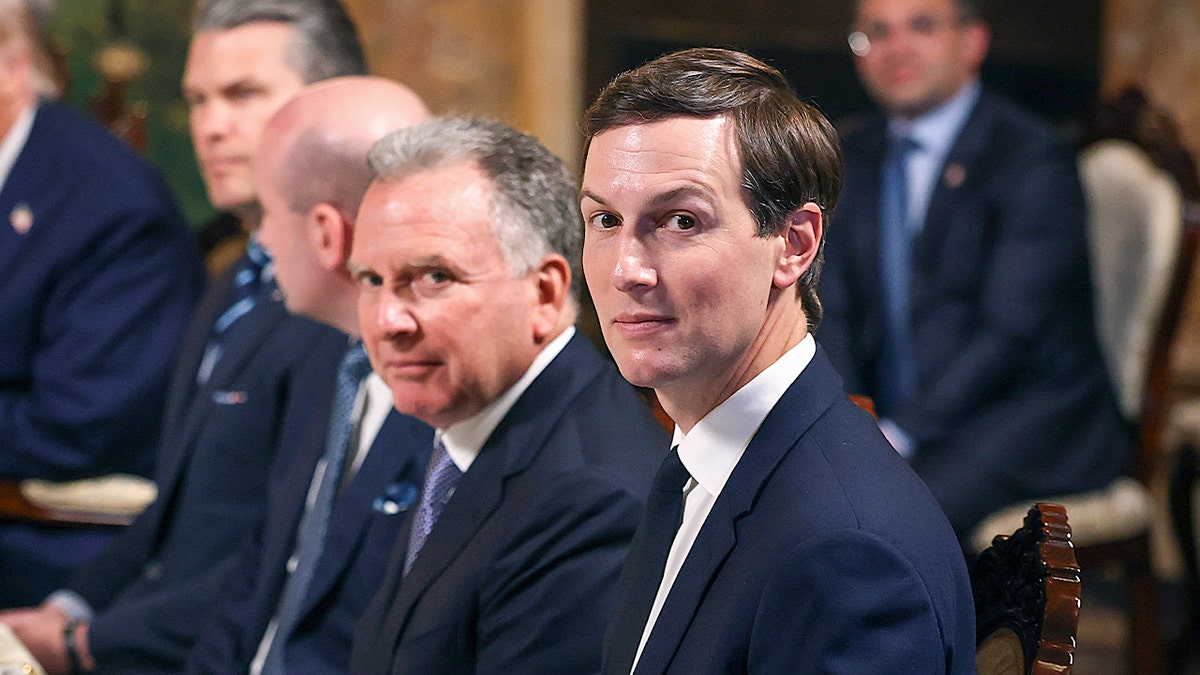
Amidst the ongoing military actions, diplomatic efforts are underway to de-escalate the conflict and find a lasting resolution. Vice President J.D. Vance, Special Envoy Steve Witkoff, and Jared Kushner are scheduled to travel to Islamabad, Pakistan, beginning Saturday, to engage in talks regarding Iran. The choice of Pakistan as a venue for these discussions suggests an attempt to leverage regional influence and facilitate communication with Iranian representatives.
Several nations are providing varying degrees of support to the U.S.-Israel coalition. Saudi Arabia, Azerbaijan, Bahrain, Qatar, and the United Arab Emirates are listed as providing support, though the nature of that support is not fully detailed. Jordan is also reportedly involved, though its role is described as defensive. NATO has also been implicated, and Turkey is participating in the conflict. The United Kingdom and France are providing support as well, though the specifics of their contributions remain largely unspecified.
Economic Impact and Financial Costs
The conflict is already having a significant economic impact, particularly on global energy markets. Oil prices experienced a sharp increase on Wednesday, April 29, 2026, following reports that President Trump had ordered preparations for a prolonged blockade of Iranian ports and the Strait of Hormuz. This potential disruption to oil supplies has raised concerns about further price volatility and potential economic repercussions for countries reliant on Middle Eastern oil.
The Pentagon has publicly disclosed the financial cost of the war to the United States, estimating expenditures at $25 billion over the past two months. The majority of these costs are attributed to munitions, highlighting the intensive nature of the military operations. This figure is likely to increase as the conflict continues, placing a strain on the U.S. Defense budget and potentially impacting other government programs.
The Situation in Lebanon and Regional Implications
The ongoing fighting in Lebanon remains a major concern. The exclusion of Hezbollah from the ceasefire agreement suggests a continued commitment from the U.S. And Israel to dismantle or weaken the organization, which is considered a terrorist group by many countries. However, this approach risks further escalating the conflict and exacerbating the humanitarian situation in Lebanon. The high number of casualties reported by the Lebanese Ministry of Health underscores the devastating impact of the fighting on the civilian population.
The broader regional implications of the conflict are also significant. The involvement of multiple actors, including Saudi Arabia, Iran, and Turkey, raises the possibility of a wider regional war. The potential for miscalculation or unintended consequences is high, and the risk of escalation remains a constant threat. The conflict also has the potential to exacerbate existing sectarian tensions and destabilize already fragile states in the Middle East.
Trump’s Stance and the Strait of Hormuz
President Trump has taken a firm stance against Iran, urging the country to “wake up” and sign a non-nuclear agreement. He also indicated that ongoing negotiations with Iran are now being conducted by phone. His recent statements regarding a potential blockade of Iranian ports and the Strait of Hormuz have further heightened tensions and raised concerns about a potential disruption to global trade. Trump’s comments, posted on his Truth Social platform, signal a willingness to exert maximum pressure on Iran to compel it to negotiate on U.S. Terms.

The situation surrounding the Strait of Hormuz is particularly sensitive. Both Iran and the United States claim sovereignty over the waterway, and any attempt to restrict access could have severe economic and geopolitical consequences. Iran’s recent decision to halt maritime traffic through the Strait, in response to alleged Israeli violations of the ceasefire, demonstrates its willingness to use this strategic asset as leverage in the conflict.
The conflict between the United States and Israel against Iran represents a significant challenge to regional and global stability. The fragile ceasefire, the ongoing fighting in Lebanon, and the economic consequences of the war all contribute to a complex and volatile situation. Diplomatic efforts to de-escalate the conflict and find a lasting resolution are crucial, but the path forward remains uncertain.
Looking ahead, the next key development to watch will be the outcome of the talks between Vice President Vance, Envoy Witkoff, and Jared Kushner in Islamabad, Pakistan. The success of these discussions could be pivotal in determining whether the conflict can be contained or whether it will escalate further.
What are your thoughts on the ongoing conflict? Share your perspectives in the comments below, and please share this article with your network to help spread awareness.
Worth a look