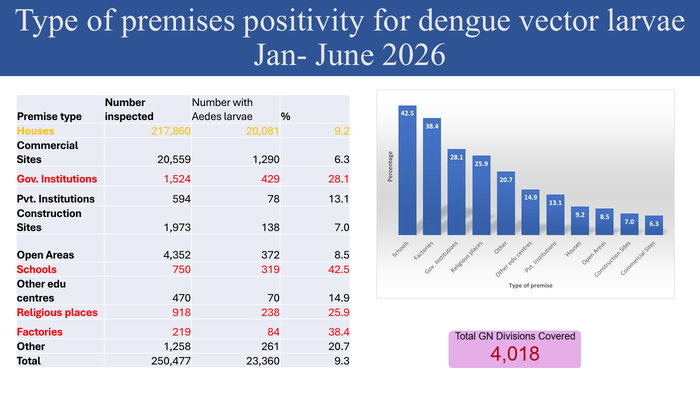
Sri Lanka is battling its most severe dengue outbreak in nearly a decade, with 76,044 infections and 53 deaths recorded since January 2026. To combat the spread, the government has deployed air force drones to identify mosquito-breeding sites, while military and police teams assist health workers in sanitizing affected regions.
A Decade-High Surge in Dengue Infections
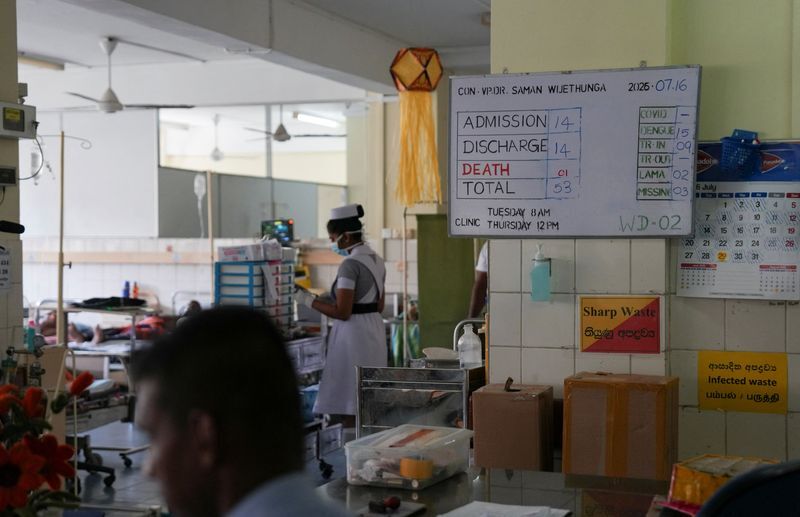
Public health services across Sri Lanka are facing an intense surge in dengue cases, a situation described by health officials as the country’s worst outbreak in approximately 10 years. From the start of the year through July 2026, the nation has registered 76,044 cases and 53 fatalities. The current wave is driven largely by the DENV-2 strain, which experts have identified as more virulent and prone to rapid transmission than other variants, accounting for roughly 75 per cent of the reported cases.
The intensity of the outbreak is placing significant pressure on the country’s medical infrastructure. In June alone, 21,537 infections were reported—a figure more than double the count recorded in May.
Military and Air Force Intervention
In response to the crisis, the government has mobilized the armed forces to assist the National Dengue Control Unit. The Air Force is utilizing drones to monitor areas that are difficult to access, specifically targeting stagnant water pools on rooftops that serve as breeding grounds for mosquitoes. This aerial surveillance complements ground-level efforts where police and military personnel are conducting inspections of schools, construction sites, and private homes.
Furthermore, the health ministry has levied fines against more than 4,000 premises found to be harboring potential breeding grounds.
Healthcare Strain and Recovery Strategies
The current health emergency follows the impact of cyclone Ditwah, which struck in late November. The disaster caused an estimated $1.4 billion in losses, damaging critical infrastructure and health facilities. While Sri Lanka maintains a ratio of four hospital beds per 1,000 people—a figure that typically exceeds the global average—the sheer volume of patients has pushed staff to their limits.

For more on this story, see Sri Lanka Deploys Special Military Unit to Combat Dengue Epidemic.
To alleviate the burden on public hospitals, medical professionals are advising patients with mild symptoms to manage their recovery at home. For many, this has become a necessity due to the overcrowding in medical wards.
Future Outlook and Vaccination Considerations
Health officials, including Kapila Kannangara, the acting director general of the National Dengue Control Unit, have noted that medical teams remain stretched to their limit.
While officials expect transmission rates to decline as monsoon rains weaken in August, they caution that the threat is likely to return in November with the onset of the island’s second annual monsoon season.
Although the government is currently evaluating the potential introduction of a dengue vaccine, experts remain cautious. The complexity of the virus and the circulation of multiple strains mean that any vaccine may offer only limited benefits.
If you are experiencing symptoms of dengue, such as high fever, body aches, or loss of appetite, please consult your local healthcare provider immediately for appropriate medical guidance.
Sources: ReliefWeb, Tradingview.
Keep reading