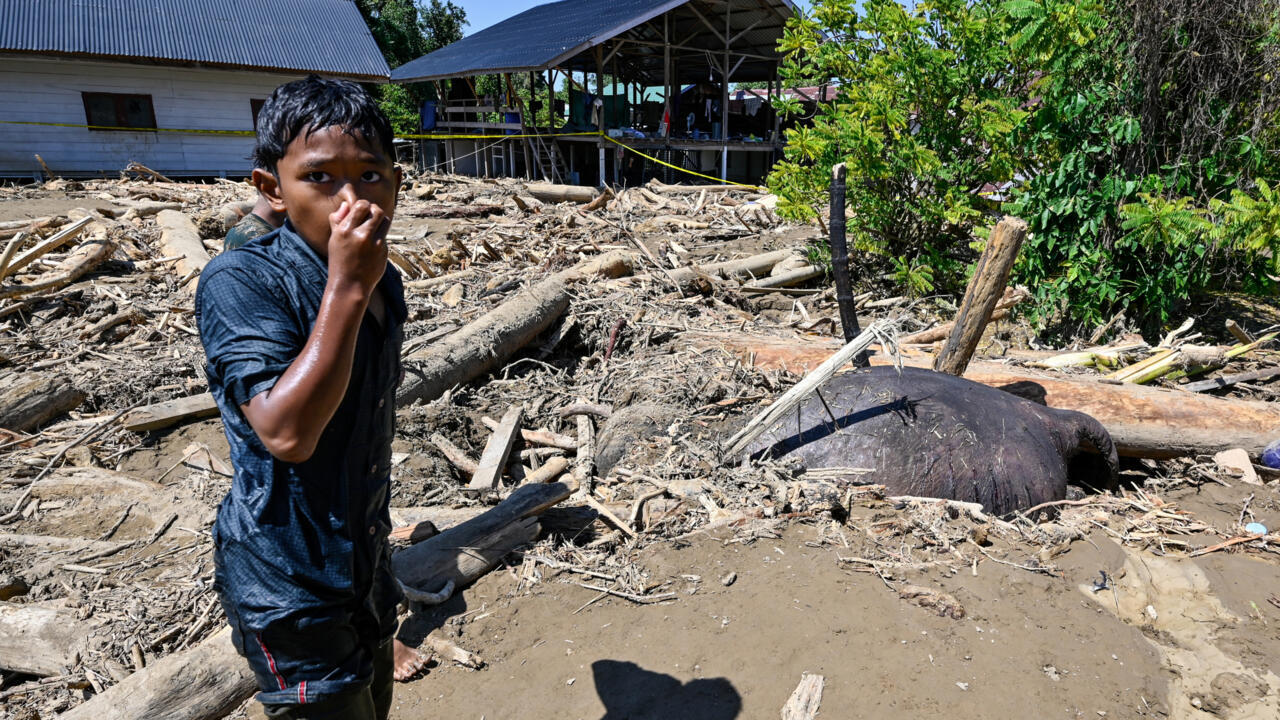
Devastating Floods Sweep Across Southeast Asia, Claiming Hundreds of Lives
A relentless monsoon season, compounded by a rare tropical storm, has unleashed catastrophic flooding across Southeast Asia, leaving a trail of destruction and claiming the lives of over 250 people. Sri Lanka, Thailand, Indonesia, and Malaysia are grappling with widespread displacement, infrastructure damage, and a growing humanitarian crisis. This situation demands immediate attention and a long-term strategy to mitigate the impacts of increasingly severe weather events.
The Scale of the Disaster
Recent days have witnessed torrential rainfall and overflowing rivers, submerging entire communities. Here’s a breakdown of the impact across the affected nations:
* Thailand: The hardest-hit nation, with at least 176 fatalities reported – marking one of the deadliest flood events in a decade. Southern regions are particularly devastated.
* Sri Lanka: While the rain has subsided, low-lying areas of the capital, Colombo, remain flooded, necessitating large-scale relief efforts. Military helicopters are actively involved in rescuing stranded residents and delivering essential supplies.
* Indonesia: The island of Sumatra bore the brunt of a rare tropical storm, contributing considerably to the overall devastation.
* Malaysia: Heavy rains have inundated large areas of Perlis state, resulting in two confirmed deaths.
The Human Cost
The stories emerging from the flood zones are heartbreaking. residents like Selvi, a 46-year-old from a Colombo suburb, have been forced to abandon their homes, carrying what little they can salvage. You can imagine the desperation of leaving everything behind,unsure of where to turn for safety.
These aren’t just statistics; they are families torn apart, livelihoods destroyed, and communities struggling to survive. The immediate needs are shelter, food, clean water, and medical assistance.
Why is This Happening?
While the annual monsoon season is a natural phenomenon,the intensity of these recent floods is deeply concerning. Several factors are at play:
* Monsoon Season: Asia’s annual monsoon season routinely brings heavy rainfall, increasing the risk of flooding and landslides.
* Tropical Storm: A rare tropical storm exacerbated the situation, dumping unprecedented amounts of rain on Sumatra.
* Climate Change: Increasingly,scientists agree that climate change is intensifying weather patterns. A warmer atmosphere holds more moisture, leading to heavier rainfall and more frequent extreme weather events.
This isn’t simply a matter of bad luck; it’s a clear signal that our planet is changing, and we must adapt.
The Road to Recovery & Growing Concerns
governments are mobilizing relief efforts,but public criticism is mounting regarding the speed and effectiveness of the response. In Thailand, two local officials have been suspended amid allegations of inadequate preparation and response.
You might be wondering what can be done to prevent such tragedies in the future. It requires a multi-faceted approach:
* Improved Infrastructure: Investing in robust flood defenses, drainage systems, and early warning systems is crucial.
* Disaster Preparedness: Educating communities about flood risks and evacuation procedures can save lives.
* Climate Action: Addressing the root causes of climate change through global cooperation and lasting practices is paramount.
The situation remains fluid, and the full extent of the damage is still being assessed. However, one thing is clear: Southeast Asia is facing a humanitarian crisis of notable proportions. Continued support and a commitment to long-term solutions are essential to help these communities rebuild and protect themselves from future disasters.
This is a stark reminder of the vulnerability of our world and the urgent need for collective action.
Worth a look