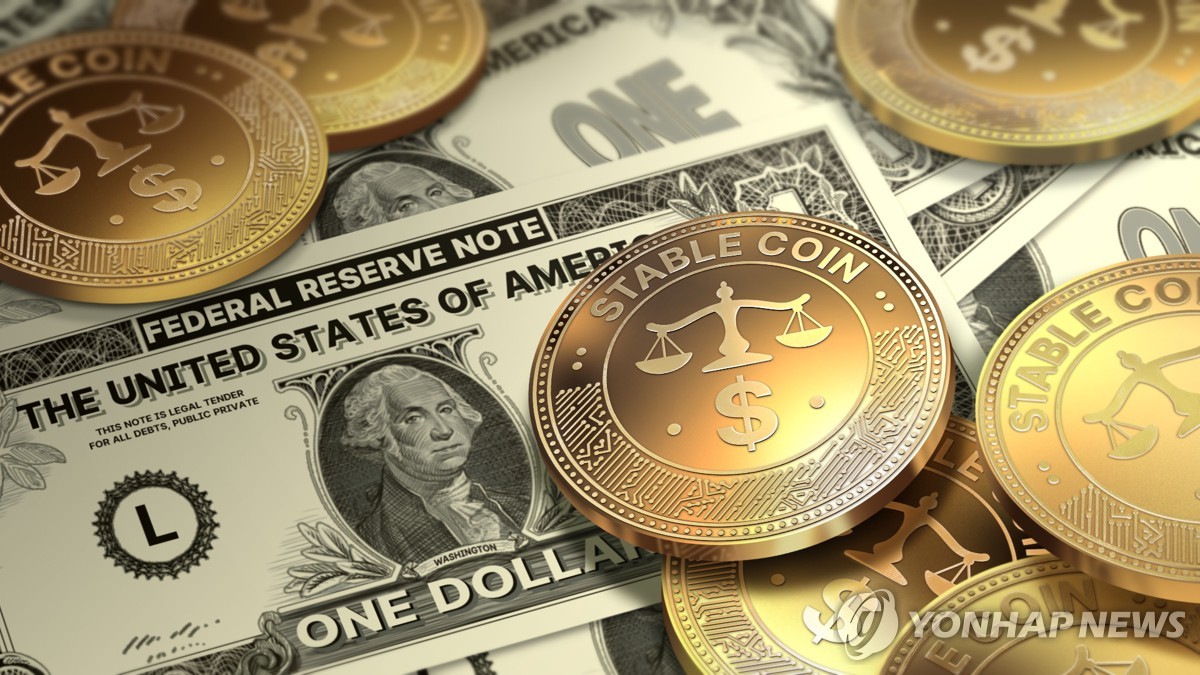
South Korean equity markets witnessed a targeted rally on Wednesday, April 15, 2026, as shares of companies linked to stablecoin technology surged following pivotal testimony from the nominee for Governor of the Bank of Korea. The market reaction underscores a growing investor appetite for digital asset infrastructure as the nation’s central bank considers a more inclusive approach to the digital monetary ecosystem.
The volatility was triggered by statements made by Shin Hyun-song, the nominee for Bank of Korea Governor, during his confirmation hearing before the National Assembly’s Strategy and Finance Committee. Shin suggested that Won-based stablecoins could coexist alongside central bank digital currencies (CBDCs), moving away from a strictly CBDC-centric view toward a hybrid model where different digital assets serve distinct economic roles.
This shift in rhetoric has immediate implications for the South Korean financial landscape. By acknowledging that stablecoins can operate “complementarily or competitively” with CBDC-based deposit tokens, the nominee has signaled a potential regulatory environment that welcomes private-sector innovation in the stablecoin space, provided it aligns with broader monetary stability goals.
Market Surge: Dream Security and RaonSecure Hit Upper Limits
The reaction from the Korea Exchange was swift and pronounced. Several firms categorized as stablecoin-related stocks saw double-digit gains, with some hitting the daily price limit. By 2:29 p.m. Local time, Dream Security [203650] surged 30.00% to close at 2,730 KRW, marking a new 52-week high according to Yonhap News.

Other security and fintech firms followed suit. RaonSecure [042510] also reached the upper limit with a gain of 29.90% as reported by Daum. Aton [158430] climbed between 27.84% and 28.13%, although ITcen PNS rose 21.01% to 4,205 KRW per Ajou Economy.
The rally extended to other players in the digital payment and gaming sectors, though with less intensity. Hecto Financial rose 17.81%, Me2on [201490] climbed 9.76%, and Danal [064260] saw a more modest increase of 3.43% according to market data.
The ‘Coexistence’ Strategy: Stablecoins vs. Deposit Tokens
At the heart of the market movement is the distinction between two types of digital money: stablecoins and CBDC-based deposit tokens. During the hearing, Shin Hyun-song explained that the central bank’s primary responsibility is the management of the monetary ecosystem. He stated that stablecoins and deposit tokens each have their own roles and should be utilized according to their specific purposes per his testimony.
To understand why this matters, one must distinguish between the two:
- CBDC-based Deposit Tokens: These are digital representations of deposits held at commercial banks, backed by the central bank’s digital currency framework. They are generally viewed as highly secure and tightly regulated.
- Stablecoins: These are private digital assets pegged to a reserve asset (like the US Dollar or Korean Won). They often offer more flexibility for decentralized finance (DeFi) and cross-border payments but carry different risk profiles.
Shin’s assertion that these two can exist “complementarily” suggests that the Bank of Korea may not seek to replace private stablecoins with a government-led digital currency, but rather create a tiered system where both can operate based on the user’s needs for speed, security, or utility.
Global Tailwinds: The US CLARITY Act
While domestic policy provided the immediate spark, the surge in South Korean stablecoin stocks was bolstered by legislative developments in the United States. Investors are closely monitoring the CLARITY Act, a bipartisan effort led by Senator Tom Tillis (R) and Senator Angela Alsobrooks (D) according to Ajou Economy.
The CLARITY Act aims to close regulatory gaps regarding the payment of interest on stablecoins. A draft of the bill is expected to be released late this week. Because the global stablecoin market is heavily dominated by US Dollar-pegged assets, any move toward clear, formal legislation in Washington typically triggers a “halo effect” across other markets, including South Korea, as it reduces the perceived legal risk for digital asset operators worldwide.
Broader Industry Adoption in South Korea
The market reaction also reflects a broader trend of institutional integration of stablecoin technology within the country. Recent moves indicate that the private sector is already preparing for a regulated stablecoin environment:
- NH Nonghyup Card has set a goal to complete technical verification for stablecoins within the first half of 2026 as reported by Ajou Economy.
- Major cryptocurrency exchanges Upbit and Bithumb have entered into Memorandums of Understanding (MOUs) with Circle, the issuer of USDC, to enhance stablecoin cooperation per industry reports.
These developments suggest that the infrastructure for a Won-based stablecoin ecosystem is being built in parallel with the central bank’s policy deliberations, making the market highly sensitive to any signal of official acceptance from the BOK.
Key Market Data Summary (April 15, 2026)
| Company | Price Change (%) | Closing/Intraday Price | Note |
|---|---|---|---|
| Dream Security | +30.00% | 2,730 KRW | Upper Limit / 52-Week High |
| RaonSecure | +29.90% | N/A | Upper Limit |
| Aton | +27.84% to +28.13% | N/A | Strong Surge |
| ITcen PNS | +21.01% | 4,205 KRW | Significant Gain |
| Hecto Financial | +17.81% | N/A | Strong Gain |
As the confirmation process for Shin Hyun-song continues, the focus will shift to whether these verbal commitments during the hearing translate into formal policy directives upon his appointment. The release of the CLARITY Act draft in the US later this week will likely dictate the short-term momentum of these assets.
The next confirmed checkpoint for investors is the expected release of the US CLARITY Act draft later this week, which may provide further clarity on the global regulatory trajectory for stablecoins.
Do you believe a hybrid model of CBDCs and private stablecoins is the most stable path for digital finance? Share your thoughts in the comments below or share this analysis with your network.
Worth a look