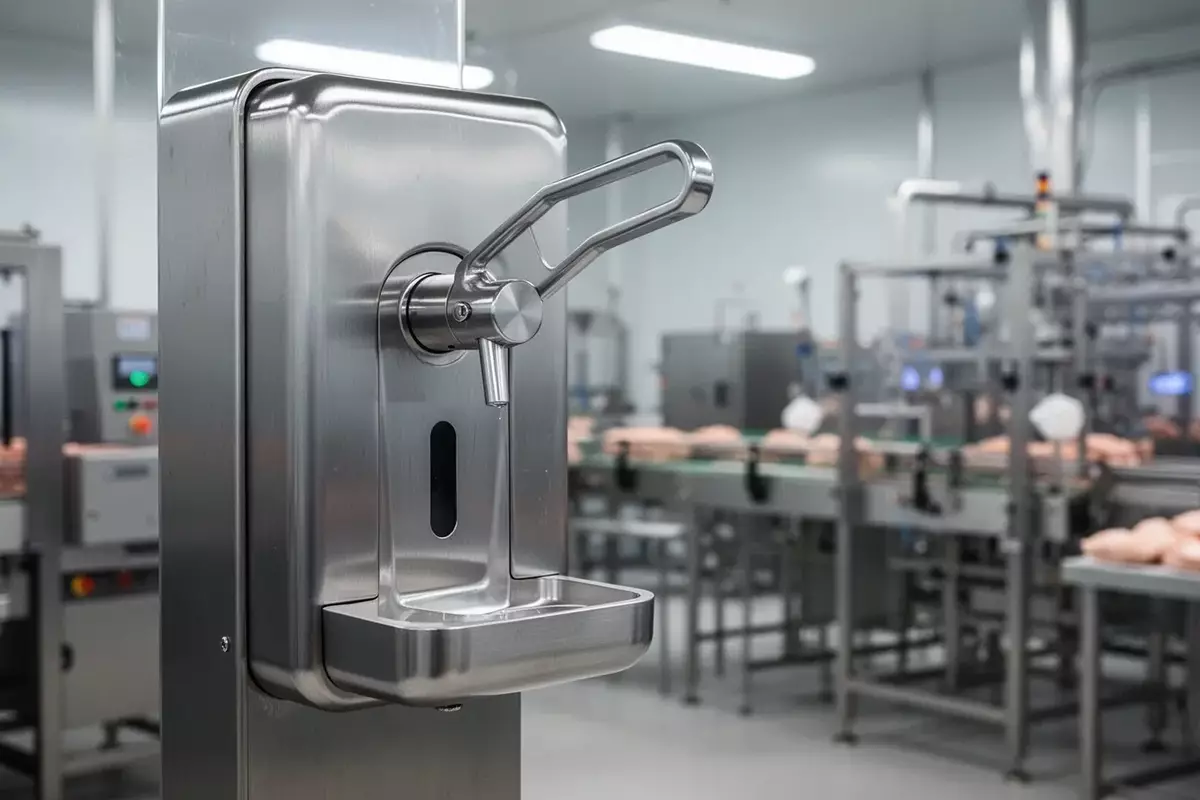
Food processing facilities are increasingly transitioning from traditional plastic components to stainless steel equipment to enhance long-term hygiene and mitigate the risk of bacterial contamination. Industry standards, supported by organizations such as the European Hygienic Engineering & Design Group (EHEDG), emphasize that non-porous, corrosion-resistant surfaces are essential for maintaining food safety over multi-decade lifecycles. By replacing plastic polymers with high-grade stainless steel, manufacturers can significantly reduce the formation of biofilms, which are notoriously difficult to sanitize in high-moisture production environments.
The shift toward stainless steel in industrial food environments is driven by the material’s structural integrity and its resistance to chemical degradation. Unlike plastics, which may develop micro-fissures through repeated thermal expansion, contraction, and contact with harsh cleaning agents, stainless steel provides a stable, inert surface. According to guidelines from the U.S. Food and Drug Administration (FDA) regarding materials used in food contact surfaces, equipment must be fabricated from materials that are smooth, non-absorbent, and resistant to pitting, cracking, and crazing. Stainless steel consistently meets these stringent requirements, often lasting 15 to 20 years with proper maintenance, whereas plastic alternatives frequently require replacement cycles of five years or less due to wear and tear.
Understanding Biofilm Formation in Food Processing
Biofilms represent a significant challenge in food safety because they act as protective reservoirs for pathogenic bacteria, including Listeria monocytogenes and Salmonella. These bacterial colonies adhere to surfaces by secreting a matrix of extracellular polymeric substances (EPS), which shields them from standard disinfectants and sanitizing routines. Research published in the FEMS Microbiology Reviews indicates that surface topography is a primary determinant of bacterial attachment. Rough surfaces, such as those found on degraded or scratched plastic, provide a high surface area and physical shelter that facilitate the initial attachment of microbes.
Stainless steel, when polished to a high finish, offers minimal surface roughness, which drastically limits the ability of microorganisms to gain a foothold. Furthermore, the material’s resistance to corrosion means that it does not develop the localized chemical environments that bacteria thrive in. When facilities invest in high-quality stainless steel dispensers, valves, and piping, they are not merely choosing a more durable material; they are implementing a proactive strategy to reduce the frequency of deep-cleaning interventions required to remove established biofilm layers.
Operational Advantages and Lifecycle Costs
While the initial capital expenditure for stainless steel equipment is typically higher than that of plastic counterparts, the total cost of ownership (TCO) often favors the metal option over a 20-year horizon. This is largely due to the reduction in downtime associated with equipment replacement and the decreased labor intensity required for sanitation. In a fast-paced industrial setting, the ability to perform “Clean-in-Place” (CIP) procedures without fear of damaging the equipment infrastructure is a major operational benefit.
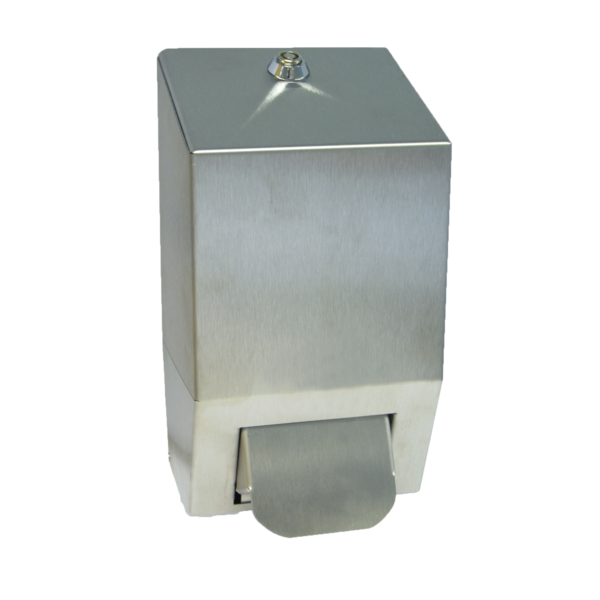
According to the National Electrical Manufacturers Association (NEMA) standards for enclosures and equipment, stainless steel is the preferred material for environments requiring frequent washdowns with high-pressure water and caustic chemicals. The durability of stainless steel ensures that the equipment maintains its structural geometry, ensuring that gaskets and seals remain tight. In contrast, plastic components often warp under the stress of repeated sanitization, creating gaps where debris and bacteria can accumulate, hidden from routine visual inspections.
Regulatory Compliance and Safety Standards
Food safety authorities worldwide, including the European Food Safety Authority (EFSA), continuously update their guidance on food contact materials to reflect the latest findings in hygiene science. The move toward stainless steel aligns with the “Hygienic Design” philosophy, which seeks to eliminate dead zones in processing equipment where food particles might lodge. By utilizing standardized stainless steel components, food producers can more easily demonstrate compliance with Hazard Analysis and Critical Control Point (HACCP) plans.
As food processing technology evolves, the industry is seeing a standardization of stainless steel grades—most notably 304 and 316L—across the globe. These grades offer excellent resistance to the organic acids commonly found in food production, such as those present in dairy, meat, and beverage processing. By adhering to these material standards, companies protect themselves from the significant financial and reputational risks associated with product recalls caused by microbial contamination.
Future Outlook for Industrial Hygiene
The trend toward replacing plastic with stainless steel is expected to continue as facilities prioritize sustainability alongside safety. Beyond its hygienic properties, stainless steel is 100% recyclable, making it a more environmentally responsible choice for long-term infrastructure. As the regulatory climate tightens, particularly regarding the use of microplastics in industrial settings, the transition to metal components offers a clear path toward both regulatory compliance and improved operational efficiency.
Industry stakeholders should monitor upcoming updates from the International Organization for Standardization (ISO) regarding materials for food processing machinery to ensure that future facility upgrades meet the latest international benchmarks. For facility managers and engineers, the next step involves conducting a thorough audit of existing plastic components to determine which systems are nearing the end of their functional lifespan and prioritizing them for replacement with high-grade stainless steel. Readers interested in technical updates on food safety equipment are encouraged to follow the latest advisories from national food safety agencies and contribute to the ongoing discussion on industrial hygiene best practices.
Related reading