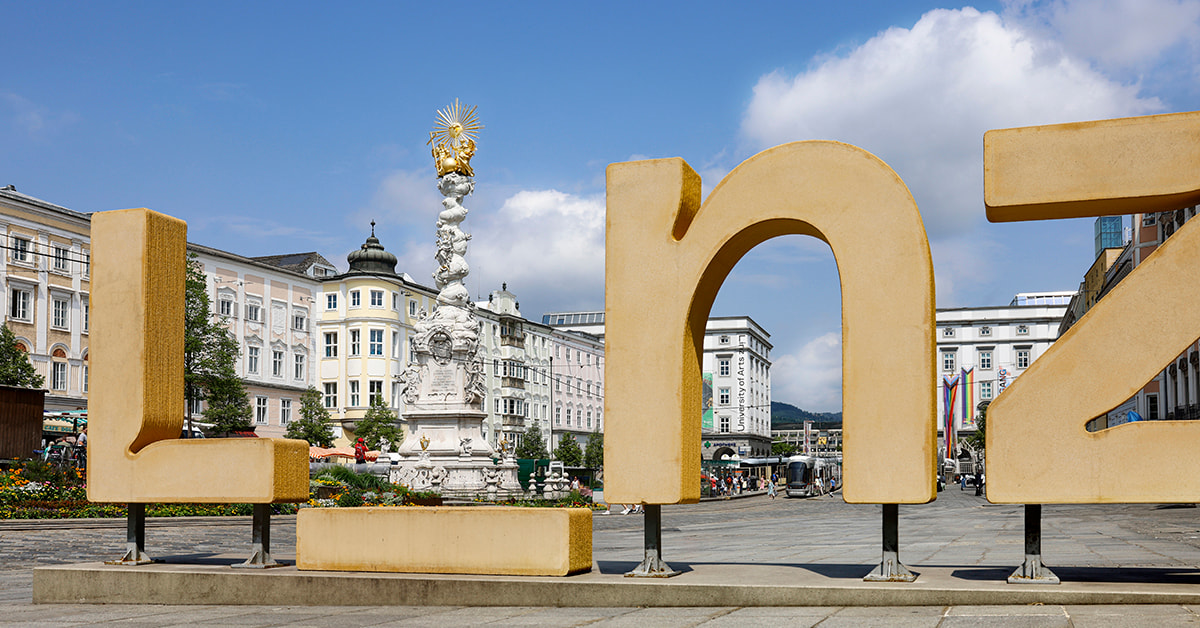
Linz is repositioning its urban development strategy through the “Co-Create Linz” initiative, a collaborative platform designed to integrate expertise from architecture, science, and municipal planning to address the city’s long-term infrastructure needs. The program functions as a bridge between academic research and practical implementation, utilizing conferences, workshops, and site excursions to identify sustainable solutions for a rapidly evolving urban environment. According to the City of Linz municipal portal, these initiatives are part of a broader effort to modernize local governance and infrastructure by fostering direct dialogue between citizens, urban designers, and technical experts.
The core objective of Co-Create Linz is to address the specific challenges posed by climate change, digitalization, and social cohesion within a major industrial hub. By organizing cross-disciplinary forums, the city aims to move away from top-down planning toward a more iterative model of city building. The initiative emphasizes that the “city of tomorrow” requires a multi-layered approach, where technical urban planning is balanced with the social requirements of its residents. These efforts align with the Austrian Federal Government’s broader sustainability mandates, which prioritize energy efficiency and the expansion of green spaces in urban centers.
Integrating Science and Practice in Urban Design
The methodology behind Co-Create Linz relies on the synthesis of diverse professional perspectives. By bringing together architects, urban planners, and representatives from scientific institutions, the city creates a sandbox environment for testing new concepts before formal implementation. This approach is intended to mitigate the risks associated with large-scale urban projects by allowing for feedback loops during the conceptual phase.
According to reports from the Linz Department of Urban Planning, the integration of workshops allows for a more granular understanding of how specific neighborhoods react to development pressures. For instance, the transition toward “smart city” technologies often requires input from both IT infrastructure specialists and civil engineers to ensure that new systems remain compatible with existing historical structures. This collaborative framework is essential for maintaining the city’s industrial identity while adapting to modern environmental standards.
Addressing Future Infrastructure Challenges
Linz faces unique pressures as a major industrial center located along the Danube River. The city’s development strategy, which is often guided by the Linz Statistical Office, highlights the necessity of balancing high-density living with the preservation of industrial zones. Co-Create Linz serves as a mechanism to address these competing interests by providing a space where stakeholders can negotiate trade-offs in real-time.
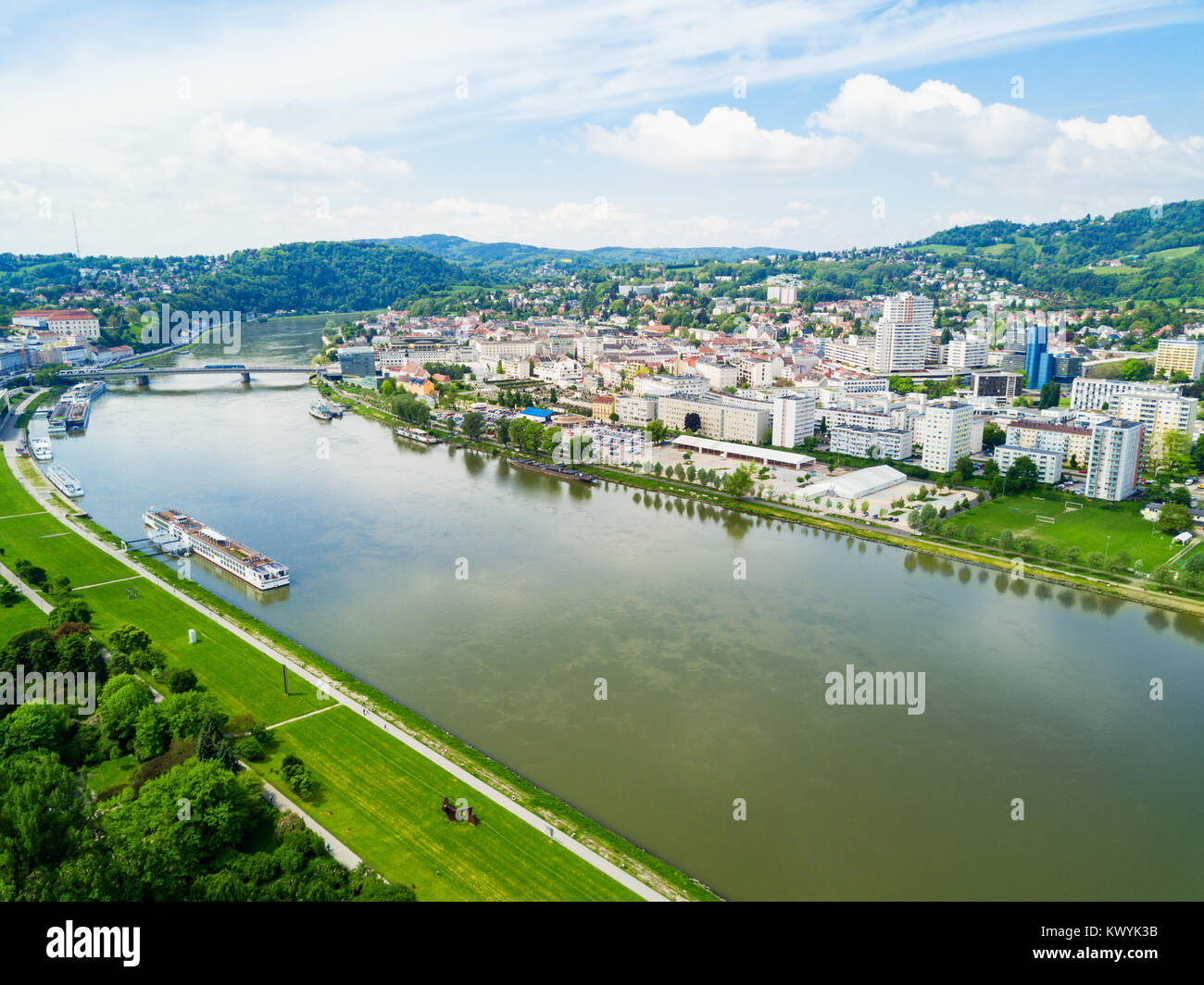
The initiative also focuses on the concept of the “15-minute city,” a planning philosophy that aims to ensure residents have access to essential services within a short walk or cycle from their homes. By conducting field excursions and site visits, participants in the Co-Create program evaluate how existing infrastructure can be repurposed to support this goal. These activities are not merely theoretical; they are designed to result in actionable recommendations for the municipal council’s upcoming legislative sessions.
Stakeholder Engagement and Public Participation
The success of urban transformation depends heavily on public buy-in. Co-Create Linz incorporates public participation as a fundamental pillar of its operation. Unlike traditional town hall meetings, which often occur after plans have been finalized, the Co-Create model invites residents and local business owners to contribute their insights during the design process. This strategy is reflective of modern European standards for democratic urban governance, as outlined by the Council of Europe’s Congress of Local and Regional Authorities.
Transparency remains a key requirement for the initiative’s continued funding and support. The city publishes periodic updates regarding the outcomes of its workshops and the status of ongoing urban development projects. Residents looking for official documentation or upcoming meeting dates can monitor the City of Linz official service portal for current announcements regarding future planning sessions and feedback opportunities.
Next Steps for City Development
The next phase of the Co-Create Linz initiative will focus on the practical application of the findings gathered during the most recent series of workshops. Municipal officials are expected to present a summary of these recommendations to the Linz City Council in the coming months. This report will likely form the basis for upcoming budget allocations related to urban greening and transport infrastructure. Residents and stakeholders are encouraged to check the official municipal website for the specific dates of the next public consultation sessions, as direct community input remains a vital component of the city’s planning trajectory.
For those interested in the ongoing evolution of the city’s infrastructure, following the municipal updates is the most reliable way to stay informed. Share your thoughts on the future of urban design in the comments section below, and join the conversation on how cities can best adapt to the needs of the next generation.