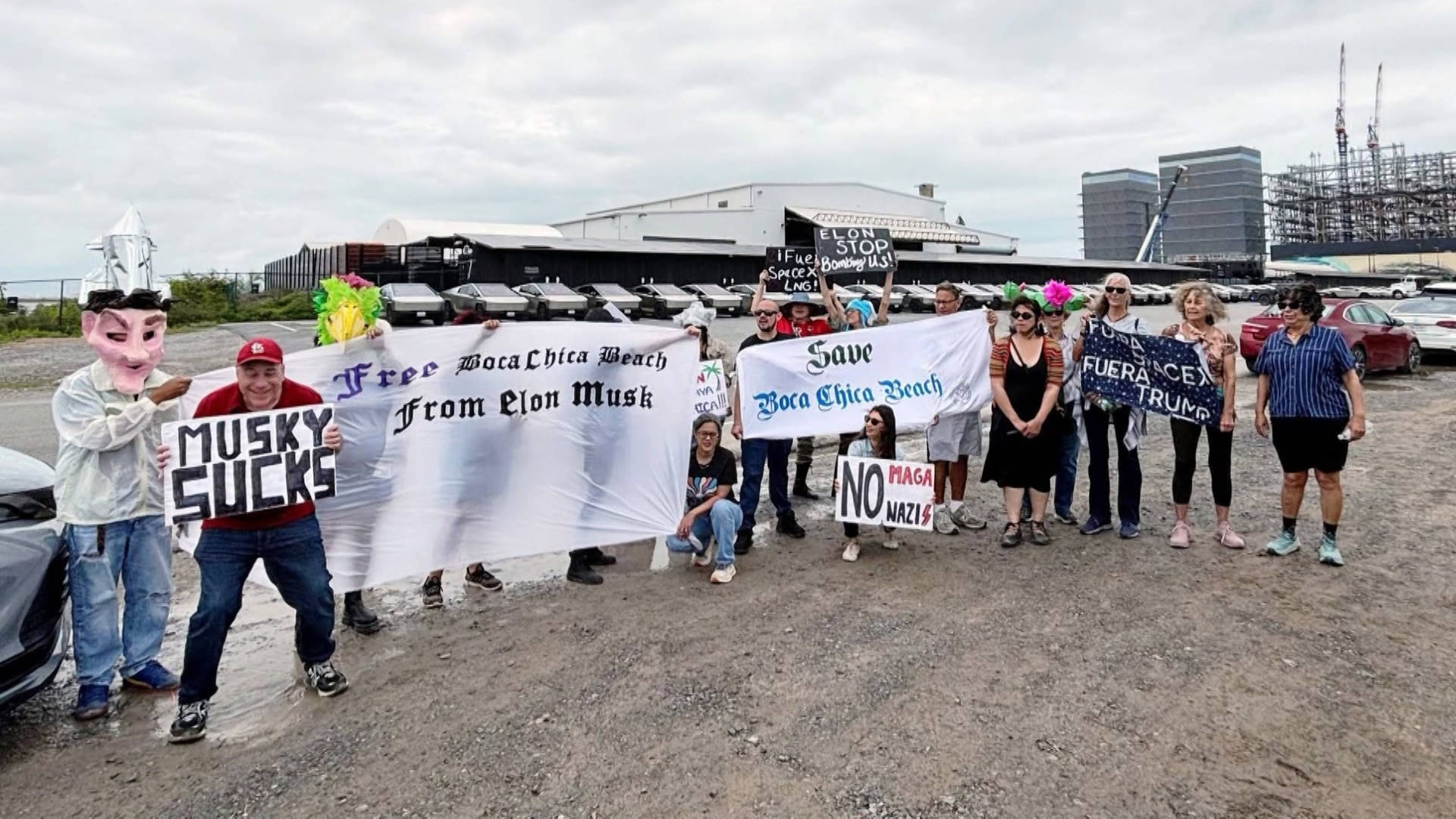
Environmental advocacy groups have filed a federal lawsuit challenging a land exchange between the U.S. Fish and Wildlife Service and SpaceX, seeking to halt the transfer of over 40 acres of the Boca Chica tract of the Lower Rio Grande Valley National Wildlife Refuge in South Texas. The legal challenge, centered in the U.S. District Court for the Southern District of Texas, contends that the agency failed to adequately assess the environmental impact of expanding SpaceX’s Starbase launch facility into protected habitat, according to court filings available via the U.S. Fish and Wildlife Service official project portal.
The lawsuit, brought by the Center for Biological Diversity, the American Bird Conservancy, and other regional organizations, targets the agency’s 2024 decision to approve a land swap that would trade 43 acres of refuge land for approximately 477 acres of property owned by the aerospace company. While the agency maintains that the exchange will consolidate habitat management and improve ecological outcomes, plaintiffs argue the move facilitates industrial expansion in a sensitive coastal ecosystem that supports endangered species, including the ocelot and the piping plover, as documented in the administrative record for the Boca Chica land exchange.
The Conflict Over Starbase Operations
SpaceX has operated its Starbase facility near Brownsville, Texas, since 2014, utilizing the site for the development and testing of the Starship launch vehicle. The company’s presence in the region has been a focal point of tension between rapid aerospace innovation and local environmental preservation. Bekah Hinojosa, a representative for the South Texas Environmental Justice Network, has publicly criticized the operational footprint of the site, alleging that rocket testing and debris have compromised local habitats and community quality of life. These concerns are echoed in the plaintiffs’ arguments that the federal government has prioritized private commercial interests over the mandate to protect the National Wildlife Refuge System, per the National Wildlife Refuge System Administration Act.

The company has consistently stated that it coordinates with federal and state regulators to mitigate environmental risks. SpaceX’s environmental assessments, submitted to the Federal Aviation Administration (FAA) as part of its launch licensing process, outline various mitigation strategies, including habitat restoration efforts and monitoring protocols for local wildlife. According to the FAA’s Starship Super Heavy program environmental review, the company is required to implement measures to minimize noise, light pollution, and debris impacts on the surrounding areas.
Regulatory Oversight and Legal Precedents
The legality of the land swap hinges on whether the U.S. Fish and Wildlife Service adhered to the National Environmental Policy Act (NEPA). This federal law requires agencies to conduct a thorough analysis of the potential environmental effects of proposed actions. Critics of the swap argue that the agency’s decision-making process lacked sufficient transparency and failed to account for the cumulative impacts of continued launch activities on the refuge. The Council on Environmental Quality mandates that such reviews must consider both direct and indirect consequences of federal agency actions.
Local and state political dynamics further complicate the situation. While some officials in Cameron County have supported the economic development brought by SpaceX’s investment, other community members have expressed frustration regarding the perceived lack of accountability for environmental degradation. The lawsuit serves as a test case for the limits of federal agency discretion when dealing with large-scale industrial projects located on or adjacent to public conservation lands.
What Happens Next in the Litigation
The case is currently pending in the federal court system, with both sides waiting for a scheduling order from the presiding judge. The plaintiffs are seeking an injunction to prevent the finalization of the land transfer until a more comprehensive environmental impact study is conducted. The U.S. District Court for the Southern District of Texas will determine whether the agency’s approval process met the requirements of the Administrative Procedure Act, which governs how federal agencies develop and issue regulations.

There is currently no set date for a final ruling, and the court’s timeline will depend on the volume of evidentiary filings submitted by the opposing parties. The outcome of this litigation could establish a significant precedent for how federal agencies manage land exchanges involving private aerospace firms in protected regions. Observers and stakeholders can track future filings and hearing dates through the Public Access to Court Electronic Records (PACER) system.
This is a developing story. Please share your thoughts or local insights in the comments section below to contribute to our ongoing coverage of this regional development.