Few films capture the visceral, aching transition from childhood to adolescence quite like Stand by Me. For those of us who have spent decades analyzing the intersection of nostalgia and cinema, Rob Reiner’s 1986 masterpiece remains a definitive touchstone. Its recent return to the big screen serves as a poignant reminder that the themes of friendship, fear, and the loss of innocence are not tied to a specific era, but are universal human experiences.
The 40th anniversary re-release, which arrived in theaters on March 27, 2026, via Sony Pictures Releasing and its Columbia label, allows a new generation to witness the chemistry of its young leads on the largest possible scale Stand by Me (film). This Stand by Me review finds that the film has not lost an ounce of its emotional gravity; if anything, the passage of time only deepens the impact of its narrative arc.
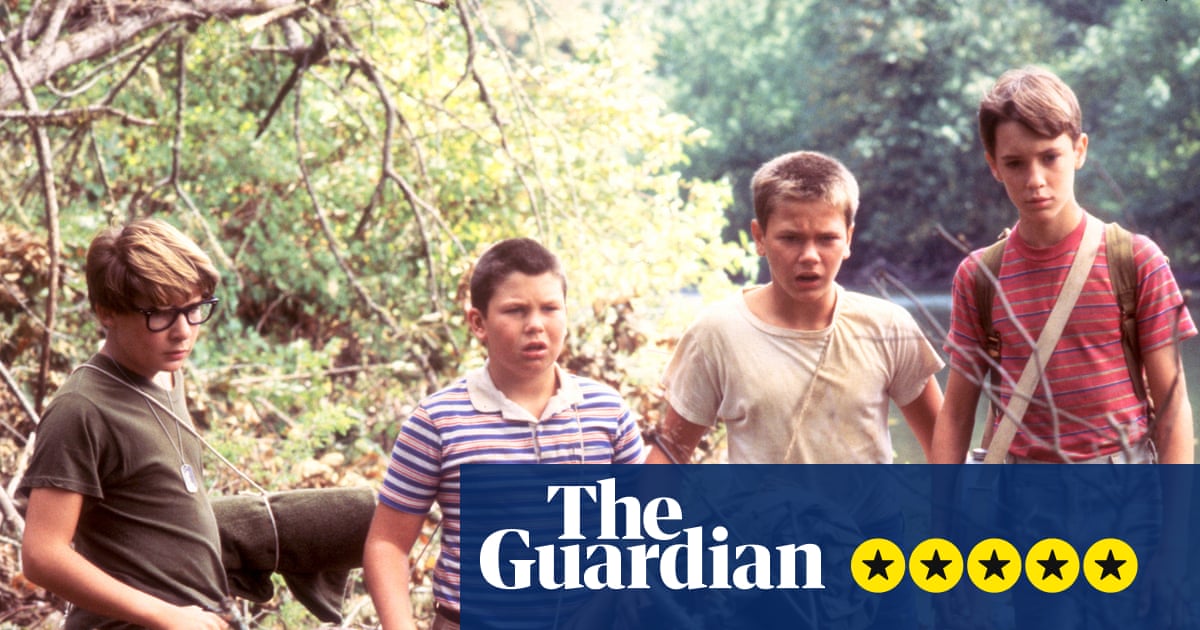
Set in the fictional town of Castle Rock, Oregon, in 1959, the story follows four boys—Gordie, Chris, Teddy, and Vern—who embark on a trek to find the body of a missing boy rumored to be lying near distant railway tracks. What begins as a quest for notoriety quickly evolves into a profound exploration of the burdens children carry and the bonds that sustain them. It is a masterclass in storytelling that balances the bizarre with the moving, grounding a macabre premise in genuine human connection.
A Timeless Journey Through Childhood
At its core, Stand by Me is a study of the “secular pilgrimage.” The journey to find the body is less about the destination and more about the conversations held along the way. The film utilizes a narrative voiceover from an older Gordie Lachance, framing the adventure as a memory—a way of recovering lost youth through the act of writing.
The production successfully recreates the oppressive heat of a late-50s summer, creating an atmosphere where the boys’ isolation from the adult world feels absolute. This isolation allows the drama to be carried almost entirely by the child actors: Wil Wheaton, River Phoenix, Corey Feldman, and Jerry O’Connell. Their performances are remarkably natural, avoiding the stylized tropes often found in youth-centric cinema of the 1980s.
The film’s technical achievements are equally enduring. With a modest budget of between $7.5 and $8 million, the production achieved a commercial success of $52 million, proving that character-driven stories can resonate globally Stand by Me (film). The cinematography captures the ruggedness of the Oregon landscape, mirroring the untamed emotions of the protagonists.
From Page to Screen: The King Connection
Adapted by screenwriters Raynold Gideon and Bruce A. Evans from Stephen King’s 1982 novella The Body, the film diverges from King’s typical horror roots to deliver a coming-of-age drama. By stripping away the supernatural elements often associated with King’s work, Reiner focuses on the “horror” of growing up—the realization that the world is indifferent and that the people we love can be flawed or absent.
The screenplay’s strength lies in its dialogue and pacing. The interactions between the four boys sense authentic, capturing the specific blend of cruelty and loyalty that characterizes pre-teen friendships. The film was rightfully recognized for this achievement, earning an Academy Award nomination for Best Adapted Screenplay, as well as Golden Globe nominations for Best Director and Best Drama Motion Picture Stand by Me (film).
The title itself, derived from the 1961 Ben E. King song, provides the emotional heartbeat of the film. When the song plays during the closing credits, it transforms the preceding 89 minutes of narrative into a nostalgic eulogy for the friendships of youth, many of which are lost to time, distance, or tragedy.
The Enduring Legacy of the Cast
It is impossible to discuss Stand by Me without acknowledging the immense presence of River Phoenix. As Chris Chambers, Phoenix provides the film’s moral center, portraying a boy trapped by his family’s reputation but desperate to define himself on his own terms. The tragedy of Phoenix’s death in 1993 adds a layer of real-world poignancy to the film, mirroring the story’s own themes of cut-short potential and the fragility of life.
The chemistry between Phoenix and Wil Wheaton’s Gordie Lachance remains one of the most authentic depictions of male friendship in cinema history. Their relationship serves as the anchor for the film, reminding the audience that the most important journeys are often those we seize with people who truly see us for who we are.
For modern viewers, the film serves as a “staple of youthful nostalgia,” as described by Rolling Stone. It captures a specific American innocence while simultaneously acknowledging the darkness that lurks beneath the surface of small-town life. The 40th anniversary re-release ensures that this delicate balance is preserved for a new era of cinema-goers.
Key Film Facts
| Detail | Information |
|---|---|
| Director | Rob Reiner |
| Original Release Date | August 22, 1986 |
| Based On | The Body (Novella by Stephen King) |
| Budget | $7.5–8 million |
| Box Office | $52 million |
| 40th Anniversary Re-release | March 27, 2026 |
As we reflect on this cinematic classic, the film’s final message remains clear: the friends we make in our youth shape the adults we turn into, even if those friends are no longer by our side. Stand by Me is more than just a movie about finding a body; it is a movie about finding oneself.
With the anniversary celebrations continuing through the spring, fans are encouraged to seek out the theatrical re-release to experience the film’s atmospheric sound and visuals as they were intended.
We invite our readers to share their own memories of the film or their experiences with the 40th anniversary re-release in the comments below.
Worth a look