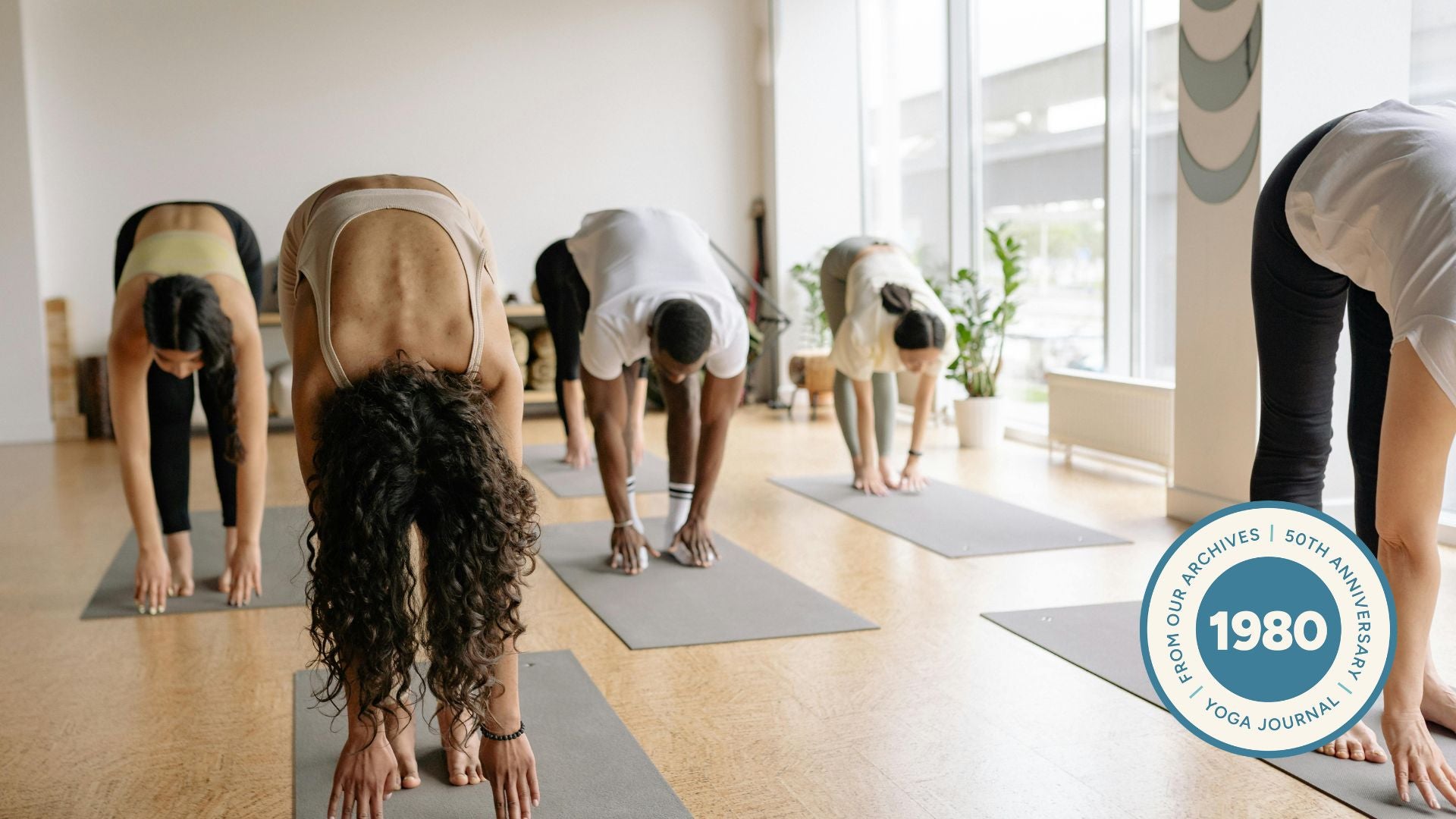
Unlocking Balance and Inner Strength: A Deep Dive into Uttanasana (standing Forward Bend)
Uttanasana, or Standing Forward Bend, is far more than just a stretch. It’s a foundational yoga pose that offers a wealth of physical and psychological benefits. As a yoga instructor with years of experiance, I’ve seen firsthand how this pose can unlock balance, cultivate inner strength, and promote a sense of calm. Let’s explore the nuances of Uttanasana, ensuring you get the most out of your practice.
Understanding the Physical Mechanics
Uttanasana primarily targets the hamstrings, calves, and spine. Though, it also presents common challenges, particularly for those with limited flexibility or specific anatomical considerations.
* Hyperextended Knees: Often referred to as “back knees,” this occurs when the knee joint extends beyond its natural range due to ligament laxity. If you notice this, place a folded blanket under your heels. Focus on gently drawing your kneecaps up rather than pushing your knees back.
* Tight Hamstrings: Many find their hamstrings restrict a full forward fold. don’t force it! Bend your knees generously to prioritize a straight spine. Over time, with consistent practice, your flexibility will improve.
The Ideology of Balance: Ha and Tha
Hatha Yoga, at its core, is about balancing opposing forces – ha (the activating, sun-like principle) and tha (the calming, moon-like principle). Uttanasana beautifully embodies this concept. It’s a cooling pose, leaving you feeling grounded and peaceful.
Think of it this way: after a vigorous workout or a stressful day, Uttanasana offers a welcome respite. It prepares the mind and body for stillness.
Uttanasana and Patanjali’s Yoga Sutras: Abhyasa & Vairagyam
The ancient wisdom of Patanjali’s Yoga Sutras further illuminates the benefits of Uttanasana. Two key concepts – abhyasa (disciplined practice) and vairagyam (surrender) – are directly reflected in the pose.
* Abhyasa (Effort): In Uttanasana, abhyasa is represented by the engagement of your quadriceps. Actively firming the front of your thighs prevents your knees from buckling and builds strength of will.
* Vairagyam (Surrender): Conversely, vairagyam is found in the release of your hamstrings. Allowing the back of your legs to soften and surrender to the stretch is crucial.
The magic happens when you find the balance between these two. Firmness and release.Effort and surrender. This balance isn’t limited to the yoga mat; it’s a valuable lesson for navigating life’s challenges.
Yoga Psychology in Action: Learning Appropriateness
Uttanasana isn’t just about physical alignment; it’s a lesson in appropriateness. it teaches you when to engage and when to release, when to resist and when to yield.
This is a core principle of yoga psychology. Learning to respond appropriately - in Uttanasana and in life – is a cornerstone of personal growth. It requires self-awareness,discernment,and a willingness to adapt.
Integrating Uttanasana into Your Practice
Here’s how to maximize the benefits of Uttanasana:
- Start Slowly: Begin with a gentle forward fold, bending your knees as needed.
- Focus on Your Spine: Prioritize maintaining a straight spine over touching your toes.
- Engage Your Core: A slight core engagement supports your spine and enhances stability.
- Breathe deeply: Deep, conscious breathing helps to calm the nervous system and deepen the stretch.
- Listen to Your Body: Never push yourself beyond your limits.
Uttanasana is a powerful pose with layers of benefits. By understanding its physical mechanics, philosophical underpinnings, and psychological lessons, you can unlock its full potential and cultivate a deeper connection to yourself.
Resource:
Iyengar, B.K.S. Light on Yoga. Schocken books, New York. P. 76.