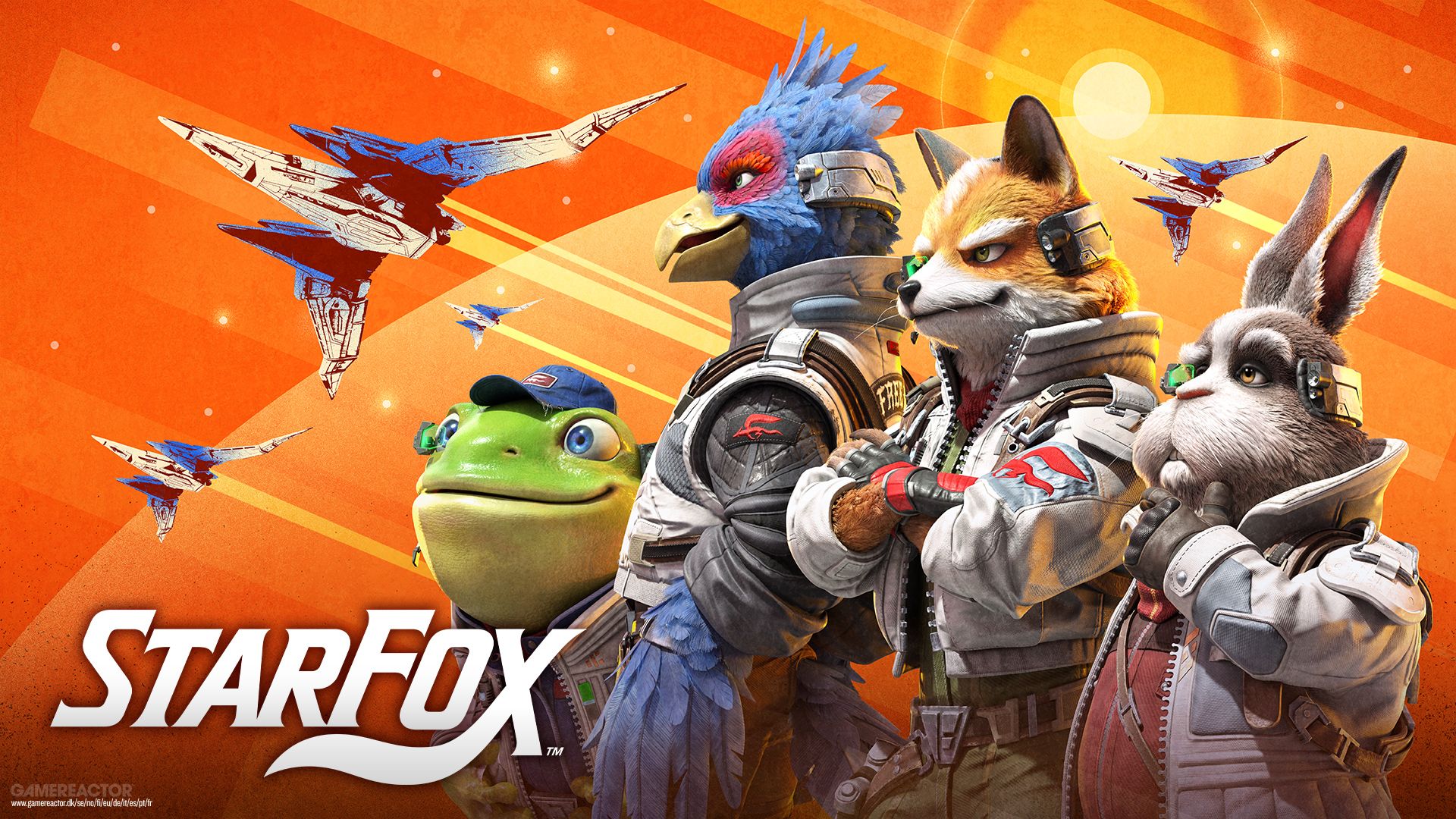
The original graphic designer for the seminal 1997 title Star Fox 64, known as Lylat Wars in Europe, recently expressed profound emotional resonance regarding the visual fidelity of modern game remakes. During a public discussion, the designer—credited for his foundational work on the Nintendo 64 classic—remarked that seeing the evolution of the game’s iconic aesthetics in high-definition formats moved him to tears, reflecting on the technological leap from the hardware limitations of the 1990s to contemporary rendering capabilities.
This reaction highlights a broader trend in the video game industry: the intersection of nostalgic preservation and modern graphical overhaul. While Star Fox 64 remains a cornerstone of the rail-shooter genre, its original polygon-heavy presentation was defined by the strict processing constraints of the Nintendo 64, which featured a 93.75 MHz processor and a 4MB memory expansion capability, as documented in the official Nintendo hardware archives. Modern remasters and remakes now leverage high-dynamic-range (HDR) lighting, advanced texture mapping, and high-frame-rate rendering to realize the original artistic intent of developers who previously had to work within severe technical boundaries.
The Evolution of Visual Fidelity in Retro Gaming
The emotional response from the designer underscores the disconnect between what developers envisioned during the 16-bit and early 3D eras and what the hardware could actually output. In the mid-1990s, the development team behind Star Fox 64 utilized limited geometry to create the illusion of depth and scale. Today, developers tasked with remaking these titles must balance the preservation of original gameplay mechanics—often referred to as “game feel”—with the aesthetic expectations of modern audiences.
According to official product documentation for the 2011 Star Fox 64 3D release, updating a classic requires careful navigation of the source material. The 3DS version served as a prime example of this, where the development team focused on sharpening textures and upgrading character models while keeping the core flight paths and enemy patterns identical to the 1997 original. For a designer who spent months optimizing single textures to fit within the memory constraints of a cartridge, seeing these assets rendered in high definition can be an overwhelming experience.
Technical Constraints vs. Artistic Intent
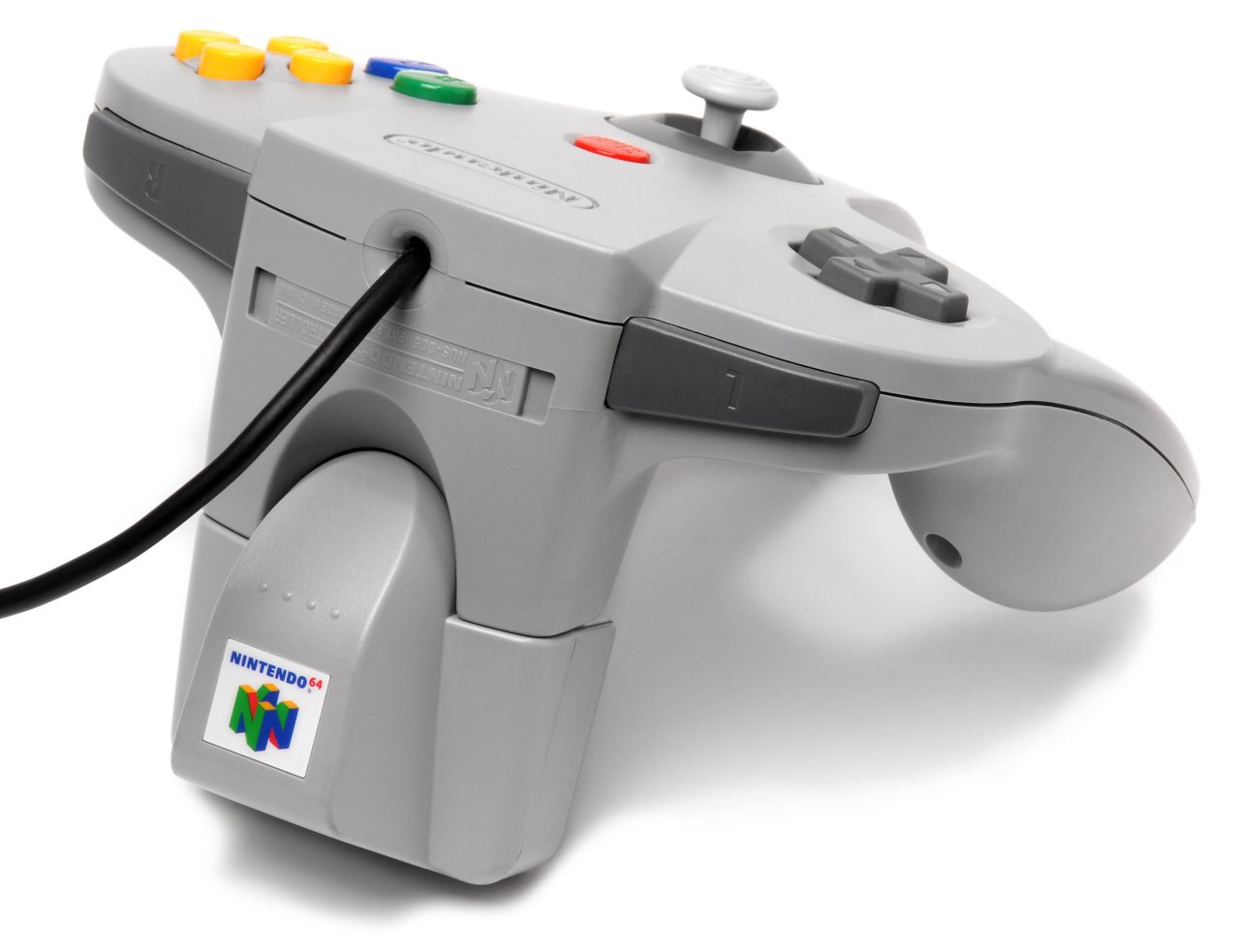
The development of Star Fox 64 was notable for its use of the Rumble Pak, the first peripheral of its kind for a home console, which added physical feedback to the gaming experience. This innovation was a direct response to the lack of visual detail; if the screen could not provide high-fidelity feedback, the controller would provide tactile feedback. As noted by The Strong National Museum of Play, this combination of hardware innovations solidified the game’s place in history.
When designers look at modern renditions, they are often seeing the “missing” details they had to cut due to hardware limits. Lighting effects that were once represented by flat-shaded polygons can now be rendered with real-time ray tracing or advanced shaders. This transformation allows the original vision to reach its potential, explaining why many architects of the 90s gaming era react with such intensity when they revisit their work through the lens of modern technology.
What Happens Next for Nintendo Classics
Nintendo continues to manage its legacy catalog through various channels, most notably the Nintendo Switch Online service. As of 2024, the company has focused on providing access to original ROMs rather than full-scale remakes for its subscription service, though standalone remakes remain a staple for high-profile franchises like The Legend of Zelda and Metroid. The industry expectation is that as hardware capabilities continue to expand, the demand for remakes that honor the original artistic intent while providing modern visual clarity will only increase.
For players and developers alike, the conversation regarding Star Fox 64 serves as a reminder that games are more than just code; they are creative projects that carry the emotional weight of their creators. Whether through future remakes or continued preservation efforts, the goal remains the same: ensuring that the foundational work of the 1990s remains playable and visually representative of the developers’ original goals.
Readers interested in the history of Nintendo’s hardware and software development can track upcoming announcements via the official Nintendo news portal. We invite our community to share their own experiences with classic titles in the comments section below.
Related reading