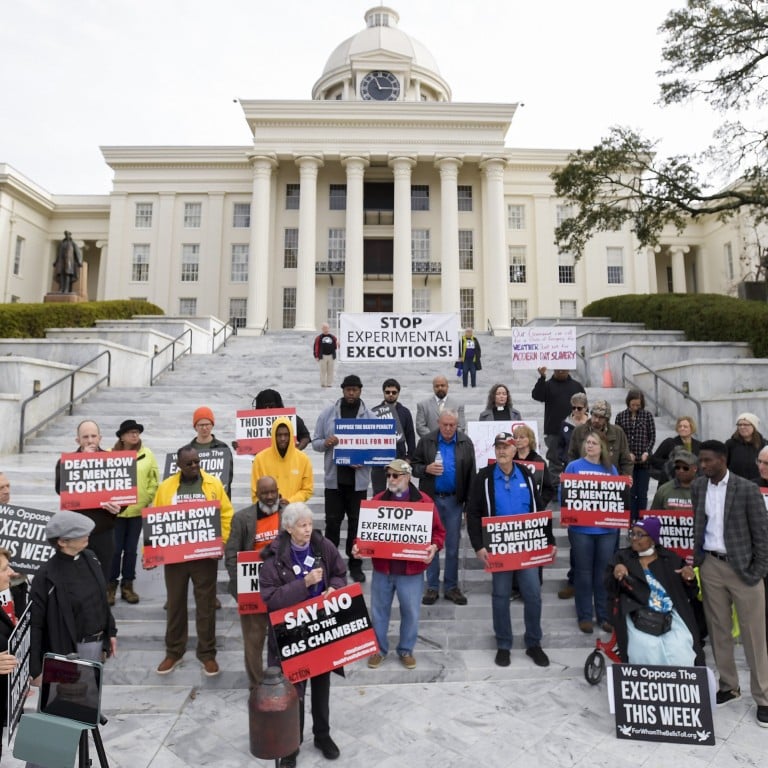
The United States Supreme Court has intervened in a capital punishment case involving the use of nitrogen gas, effectively halting an scheduled execution. The decision maintains a legal moratorium on the controversial method while lower courts continue to weigh whether the procedure violates the Eighth Amendment’s prohibition against cruel and unusual punishment. Legal scholars and human rights advocates are closely monitoring the case, as it represents a significant shift in the discourse surrounding the evolution of state-sanctioned lethal injection and alternative execution protocols in the American justice system.
Legal Challenges to Nitrogen Hypoxia
The core of the current legal battle centers on the execution protocol known as nitrogen hypoxia. This method involves forcing a condemned individual to breathe pure nitrogen, which leads to death by oxygen deprivation. According to the Supreme Court of the United States, the judiciary remains the final arbiter in determining whether specific state-sanctioned methods of execution align with constitutional protections. The debate gained national attention following the 2024 execution of Kenneth Eugene Smith in Alabama, which was the first time nitrogen gas had been utilized in the United States, as reported by Reuters.
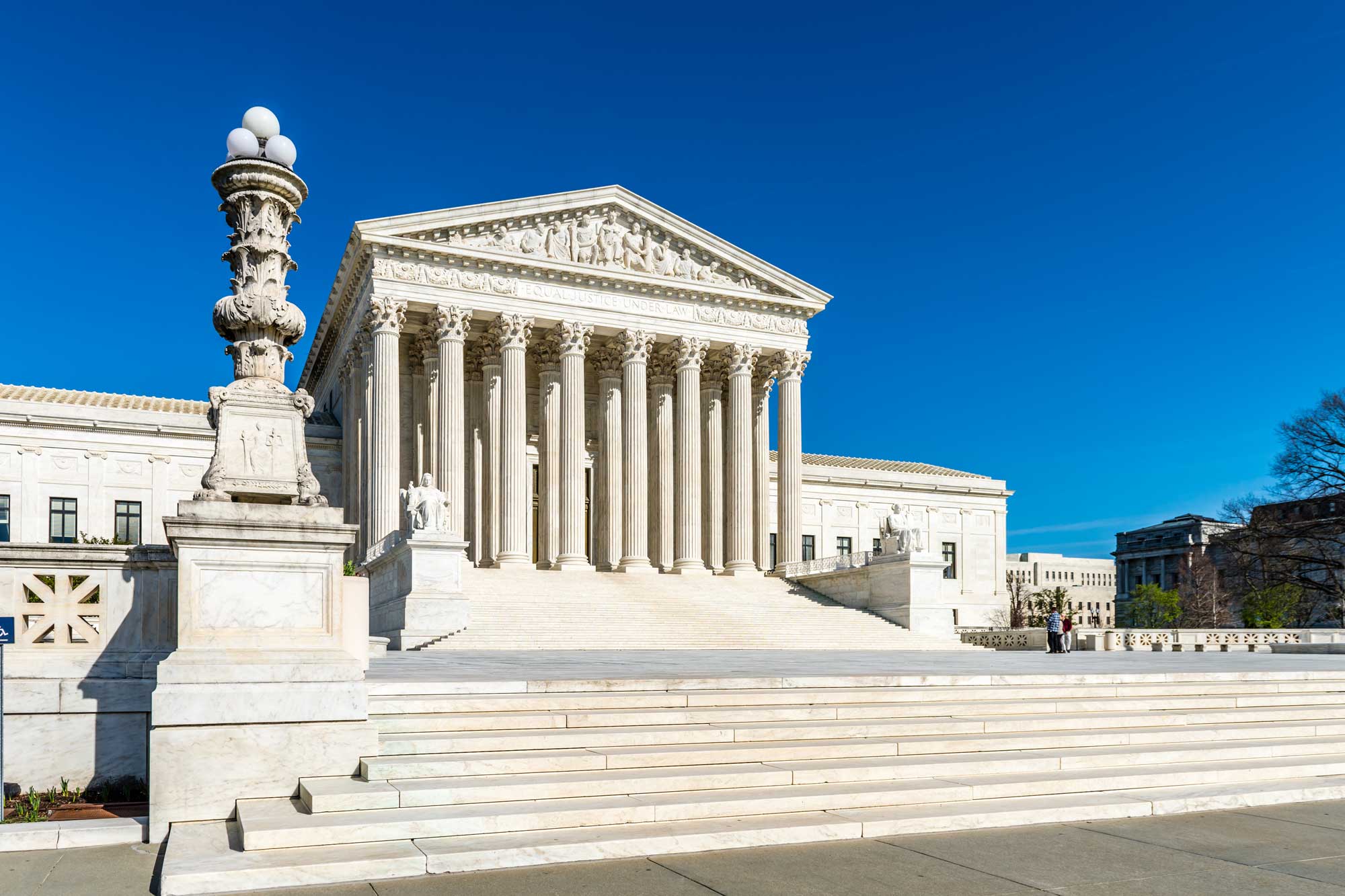
Attorneys for death row inmates argue that the lack of clinical oversight and the potential for prolonged suffering render the method unconstitutional. State authorities, conversely, maintain that the procedure is a humane alternative to traditional lethal injection, which has faced supply shortages for common sedative drugs. The Supreme Court’s recent involvement signals a heightened level of judicial scrutiny regarding the technical implementation of these protocols.
Constitutional Implications and State Authority
The Eighth Amendment of the U.S. Constitution serves as the primary legal framework for these challenges. Legal experts note that the Supreme Court historically grants states significant latitude in determining their own execution procedures, provided they do not inflict unnecessary pain. However, the introduction of nitrogen gas has prompted a re-evaluation of what constitutes a “humane” death. As documented by the Death Penalty Information Center, the legal landscape surrounding capital punishment is currently defined by a patchwork of state-level policies and federal appellate court rulings.
This situation is distinct from previous decades where lethal injection was the near-universal standard. The shift toward nitrogen gas, along with the renewed interest in firing squads in some jurisdictions, highlights a systemic instability in how states carry out death sentences. The Supreme Court’s intervention serves to pause these actions while the constitutional questions are litigated, preventing states from moving forward until a clear legal standard is established.
What Happens Next in the Judicial Process
The immediate next step for the judicial system involves a series of evidentiary hearings in lower federal courts. These proceedings will focus on expert testimony regarding the physiological effects of nitrogen hypoxia. According to the U.S. Department of Justice, federal courts must balance the state’s interest in enforcing criminal sentences against the individual’s right to be free from torture or inhumane treatment. There is currently no fixed date for a final Supreme Court ruling on the constitutionality of the method, meaning that individual stay-of-execution orders will likely remain the primary mechanism for delaying such procedures in the near term.
For those following this case, official updates are available through the Supreme Court docket system, which tracks filings and orders for all pending capital cases. As the situation evolves, we will continue to provide updates on any shifts in federal oversight or state-level legislative responses. We encourage our readers to participate in the conversation by sharing their perspectives on the role of the judiciary in capital punishment policy in the comments section below.
Related reading
- Turkey and Egypt Lead Gaza War Mediation Efforts
- Venezuela: ICC Rome Statute Withdrawal is an Effort to Evade Accountability, Says Amnesty International
- Pro Forma Sessions, Explained: How Congress Blocks Recess Appointments (daybreakwire.com)
- Delimitation Without Constitutional Amendment: Key Implications Explained (archyworldys.com)