
Student activists from the University of Indonesia (BEM UI) staged a public demonstration in Jakarta, raising concerns over national economic conditions and governance under the banner “Menuju Indonesia Bangkrut” (Towards a Bankrupt Indonesia). The protest, which took place in the central business district, saw participants marching through major thoroughfares, prompting a significant security response from local law enforcement to manage traffic and ensure public order.
The demonstration serves as a focal point for broader discussions regarding government policy, fiscal management, and the role of civil society in monitoring state affairs. According to public statements from student organizers, the movement seeks to challenge the current trajectory of the national economy and demand greater transparency from state institutions. The event highlights ongoing tensions between student-led advocacy groups and the administration regarding the implementation of economic reforms and public welfare programs, as reported by Hukumonline.
Core Demands and Economic Concerns
The student movement has articulated five specific demands addressed to the Indonesian government, primarily focusing on fiscal stability and the protection of public interests. These demands reflect a critique of recent legislative and economic policies, which the organizers argue negatively impact the standard of living for the general population. While specific economic indicators are subjects of ongoing debate, the BEM UI leadership has consistently pointed to rising living costs and public debt as central issues necessitating government intervention.
:quality(30):format(webp):focal(0.5x0.5:0.5x0.5)/tribunnews/foto/bank/originals/Mahasiswa-UI-berkumpul-di-kampus-Depok-bersiap-menuju-Bundaran-HI.jpg "Core Demands and Economic Concerns")
The demands, as outlined by student representatives, include calls for the revocation of controversial regulations deemed detrimental to the labor force and the environment, as well as a more rigorous oversight of state-owned enterprises. Critics of the government argue that recent policy shifts have favored corporate interests over those of the public, a sentiment that has frequently spurred similar protests in the capital. The government, through various ministries, has maintained that its economic policies are designed to stimulate long-term growth and ensure the sustainability of the national budget, though these explanations have yet to satisfy the demands of the protesting student unions.
Security Measures and Public Order
Jakarta Metropolitan Police deployed personnel to monitor the demonstration, specifically requesting that protesters avoid the Bundaran HI area to prevent major traffic congestion. Authorities emphasized the need to maintain public order while acknowledging the constitutional right of students to assemble and express their grievances. Despite these efforts, reports indicated instances of friction between security forces and demonstrators as the march progressed toward the Semanggi area.
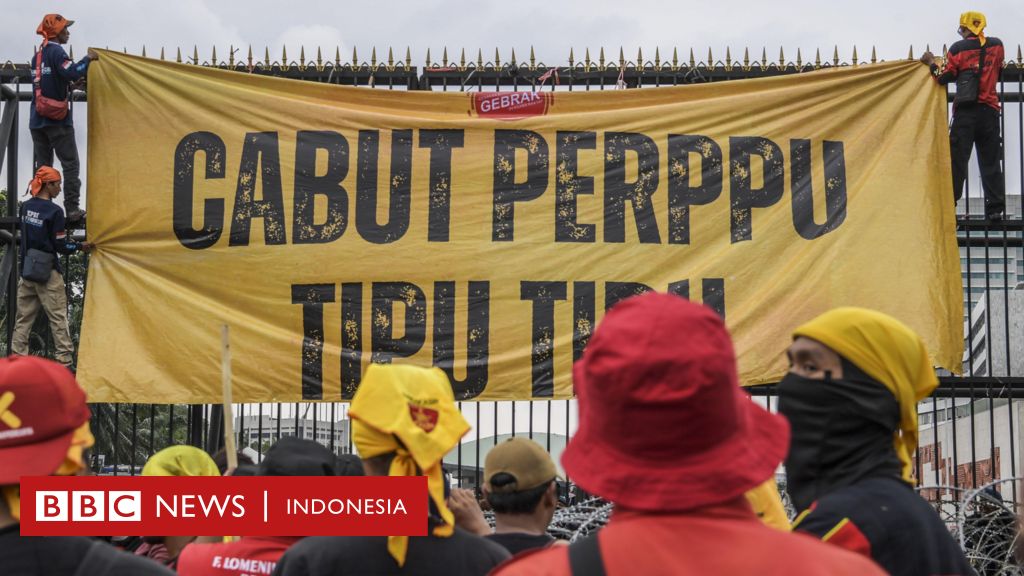
The police stated that they were tasked with ensuring that public facilities remained accessible to the general public throughout the duration of the protest. As noted in updates from Tribrata News, law enforcement personnel were instructed to prioritize de-escalation tactics, though the situation at Dukuh Atas saw a brief period of instability when officers requested the crowd to disperse. The presence of security forces during such events is governed by national regulations regarding the handling of public demonstrations, which mandate that police actions must remain proportionate and protect the rights of all citizens, according to guidelines established by the Amnesty International Indonesia.
The Role of Civil Society in Policy Oversight
The involvement of university students in national discourse remains a significant feature of the Indonesian political landscape. By organizing under the “Menuju Indonesia Bangkrut” theme, the BEM UI has sought to frame economic policy as a matter of urgent public concern rather than purely technical governance. This approach is intended to mobilize broader segments of society beyond the student body, aiming to influence the legislative agenda before upcoming policy reviews.
Political analysts often point to the historical influence of student movements in Indonesia, which have played a role in shaping government policy since the reform era of the late 1990s. The current administration faces the challenge of addressing these grievances while managing the complexities of post-pandemic recovery and global economic fluctuations. The government’s response to these protests typically involves a combination of public messaging, legislative review, and, in some cases, direct dialogue with student representatives to mitigate social unrest.
Future Developments and Official Channels
As of this writing, there have been no formal announcements regarding a specific date for a government-student roundtable to address the five demands. The situation remains fluid, with student organizations indicating that they may continue to organize smaller-scale actions if their concerns remain unaddressed. Observers are monitoring the next parliamentary session for any potential legislative amendments that might align with the students’ calls for reform.
For official updates regarding government economic policies and legislative schedules, citizens are encouraged to monitor the State Secretariat of the Republic of Indonesia and the official press releases issued by relevant coordinating ministries. The public is also advised to follow verified local news outlets for real-time information regarding traffic conditions and ongoing security assessments in the Jakarta metropolitan area. We welcome reader input on this development; please share your perspectives in the comments section below.
Worth a look